
Art Deco French jet and pearl necklace c1940
Price: £25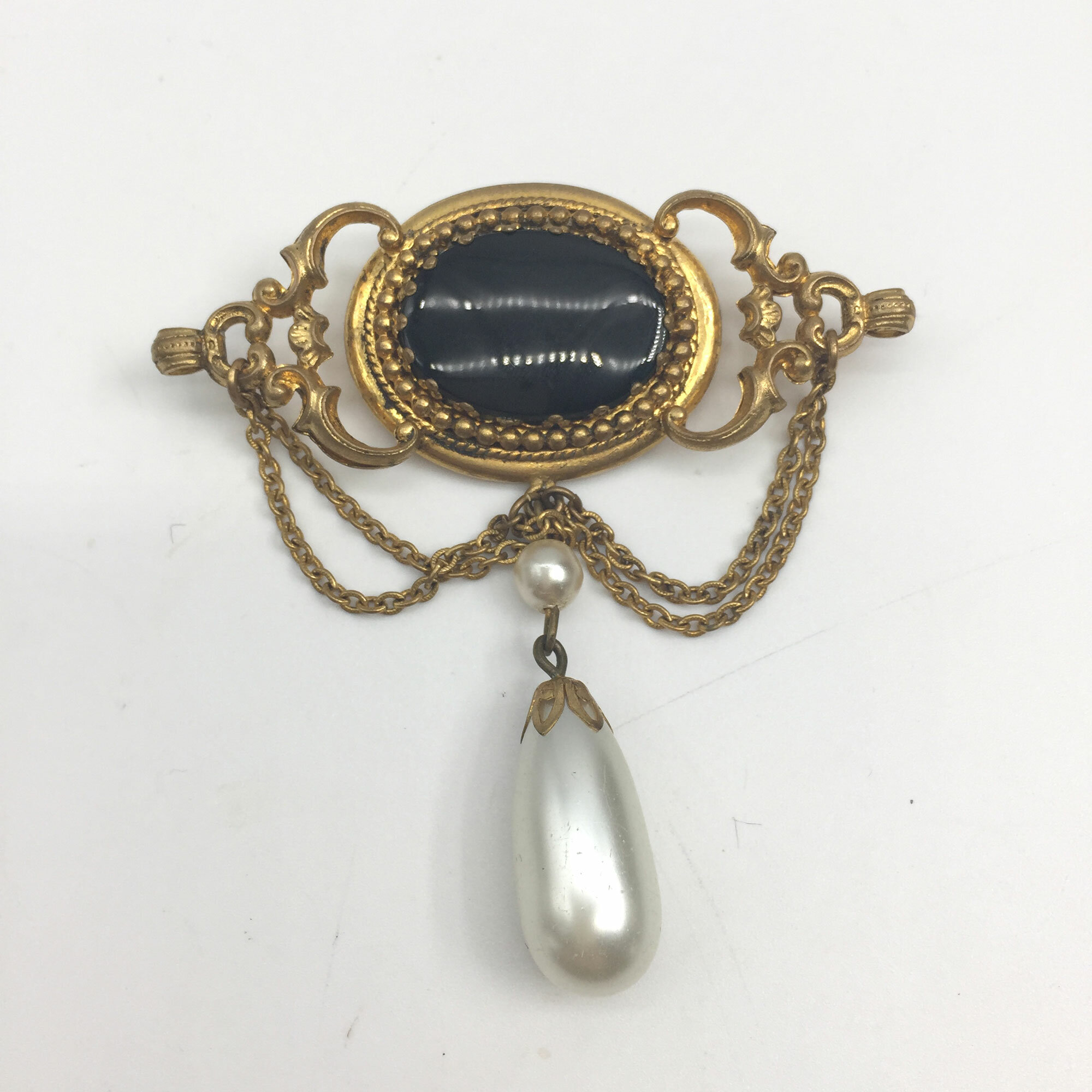
Striking Art Deco brooch
Price: £25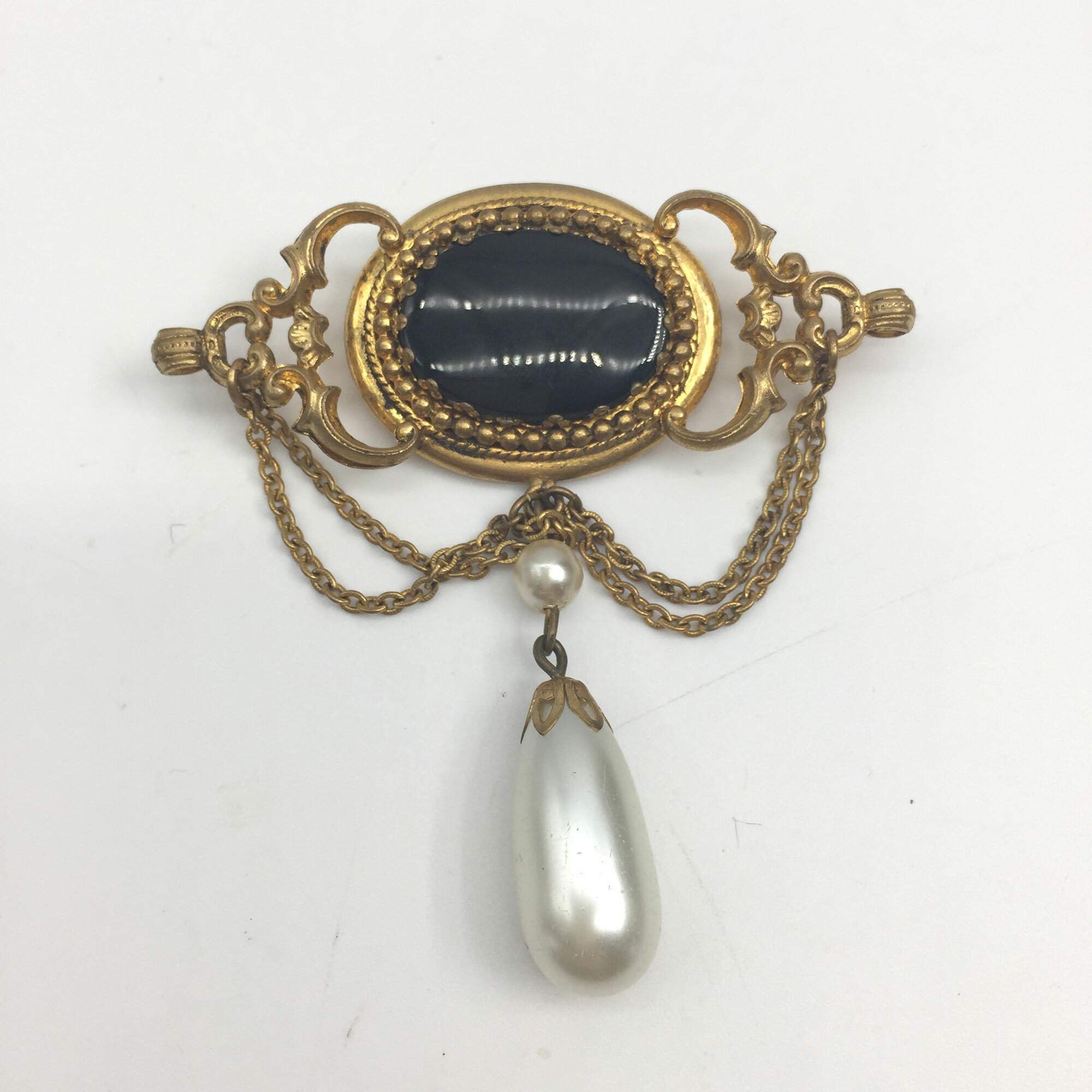
Striking Art Deco brooch
Price: £25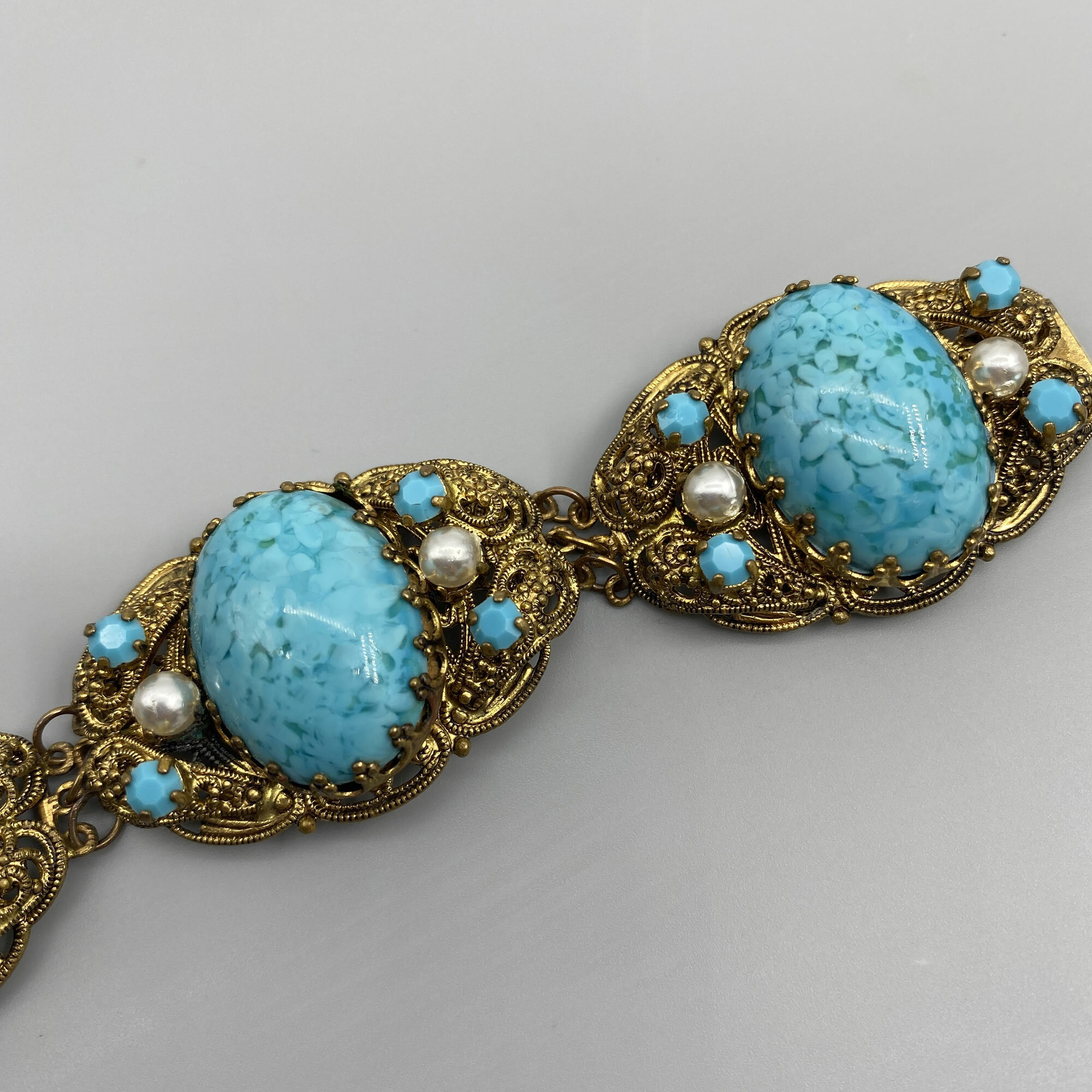
Art Deco Czech glass bracelet
Price: £35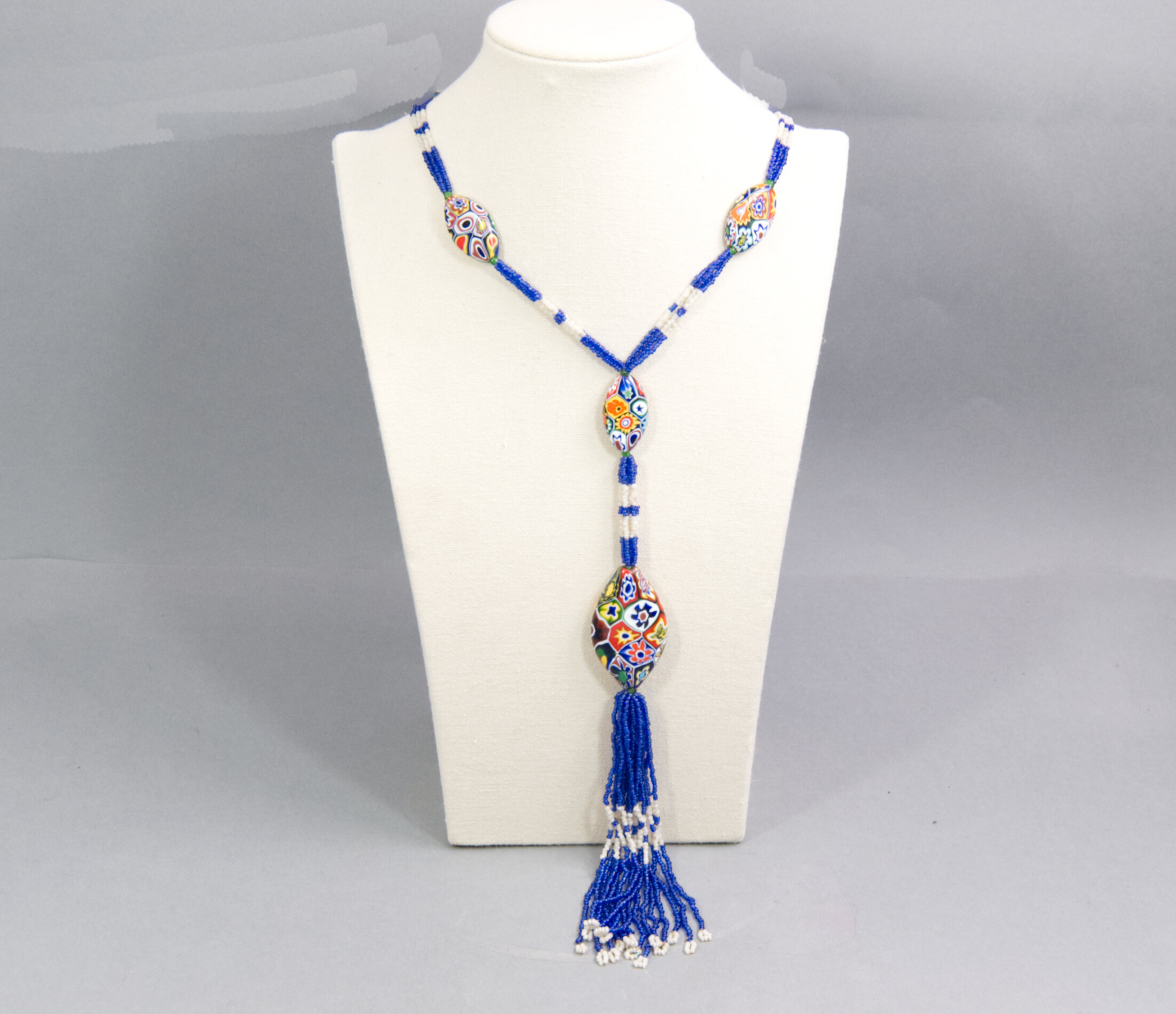
Art Deco Long Mille Fiore bead necklace
Price: £65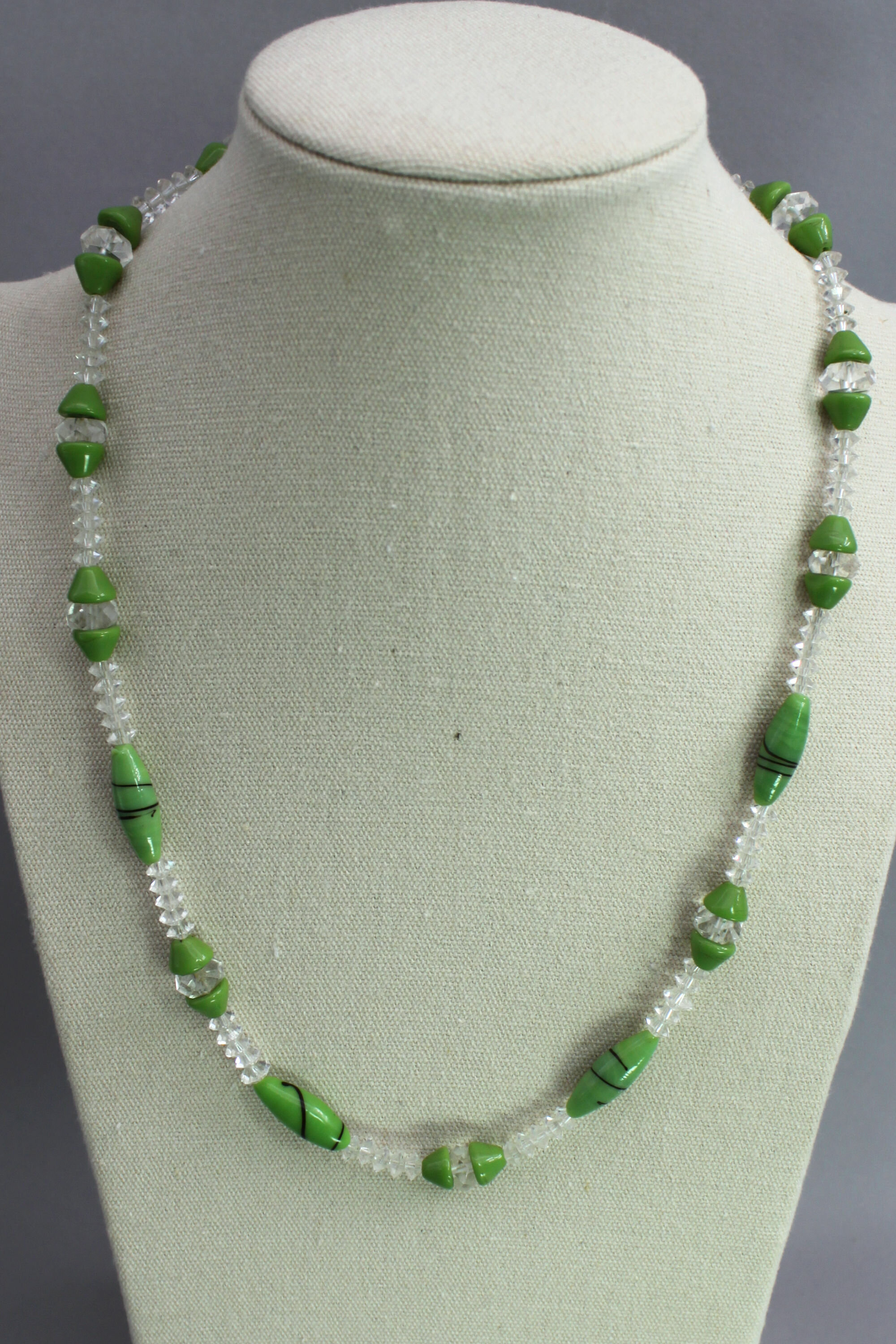
Art Deco glass bead necklace
Price: £20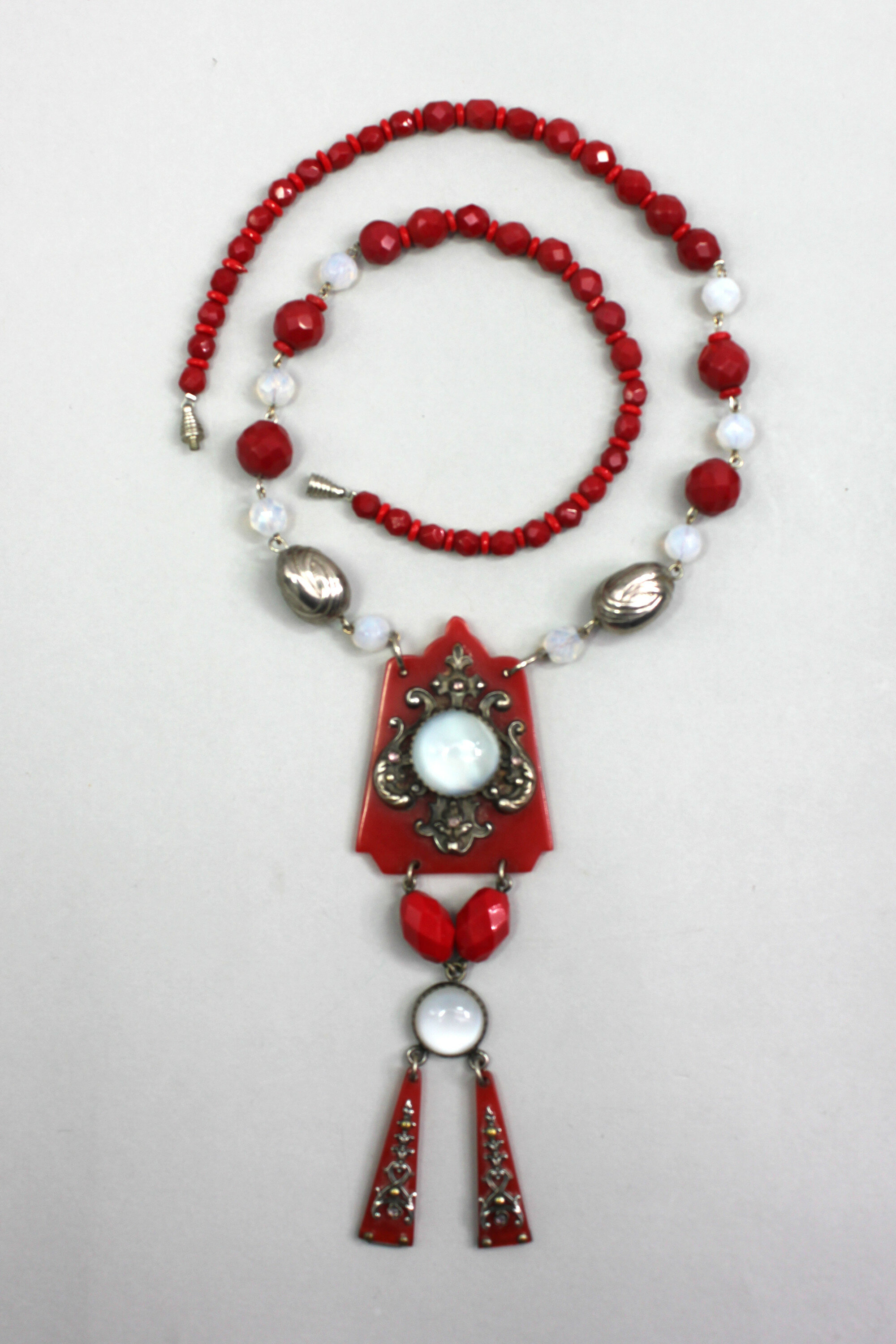
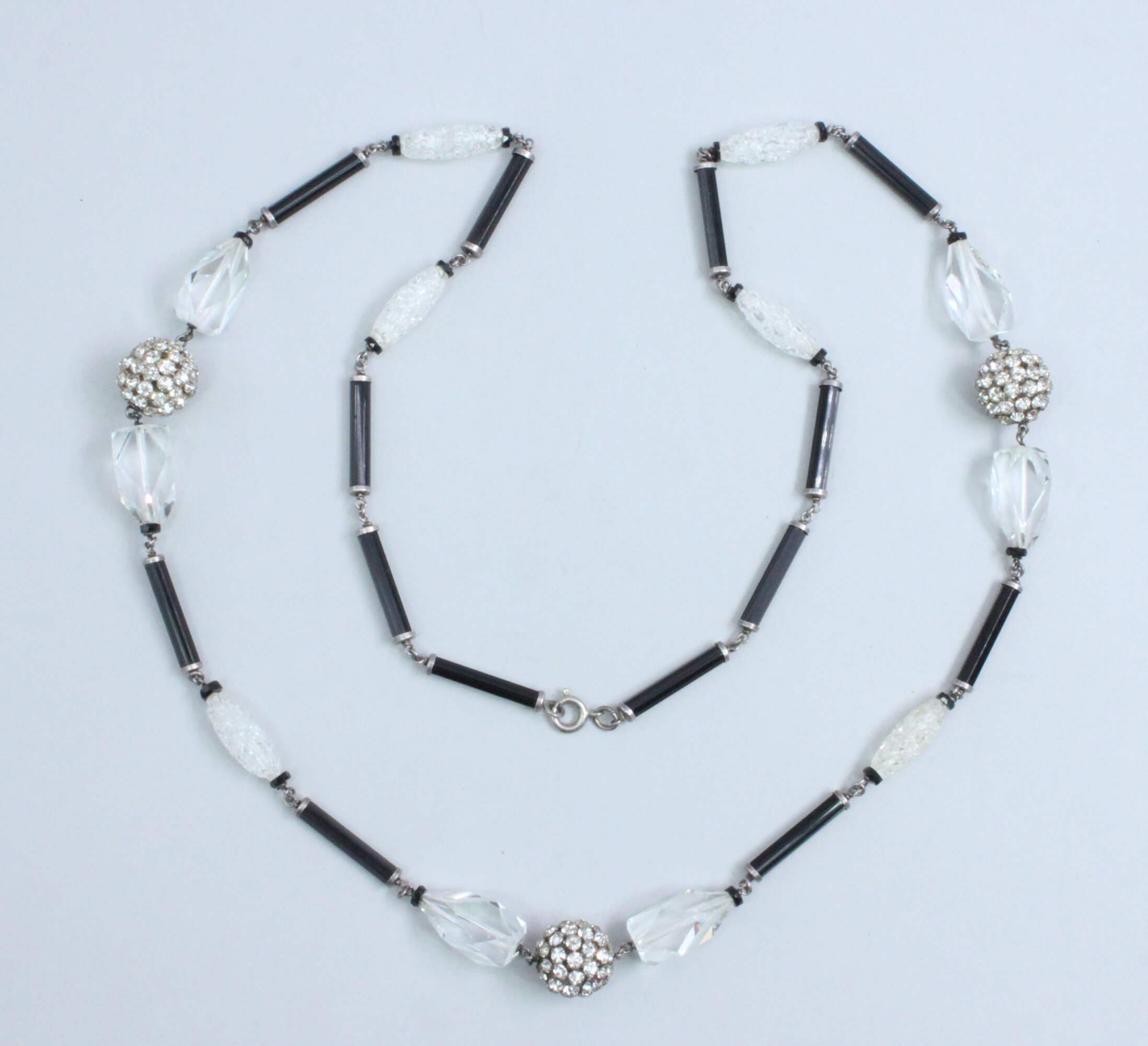
Art Deco Galalith Necklace and Pendant with Coral Red plaques, 1930s
Price: £75Galalith is a a synthetic plastic made out of the interaction of casein and formaldehyde and was introduced to the fashion world by Coco Chanel in 1926. The commercial name is derived from the Ancient Greek words 'gala' (milk) and 'lithos' (stone).
Art Deco necklace with French Jet and paste stations
Price: £25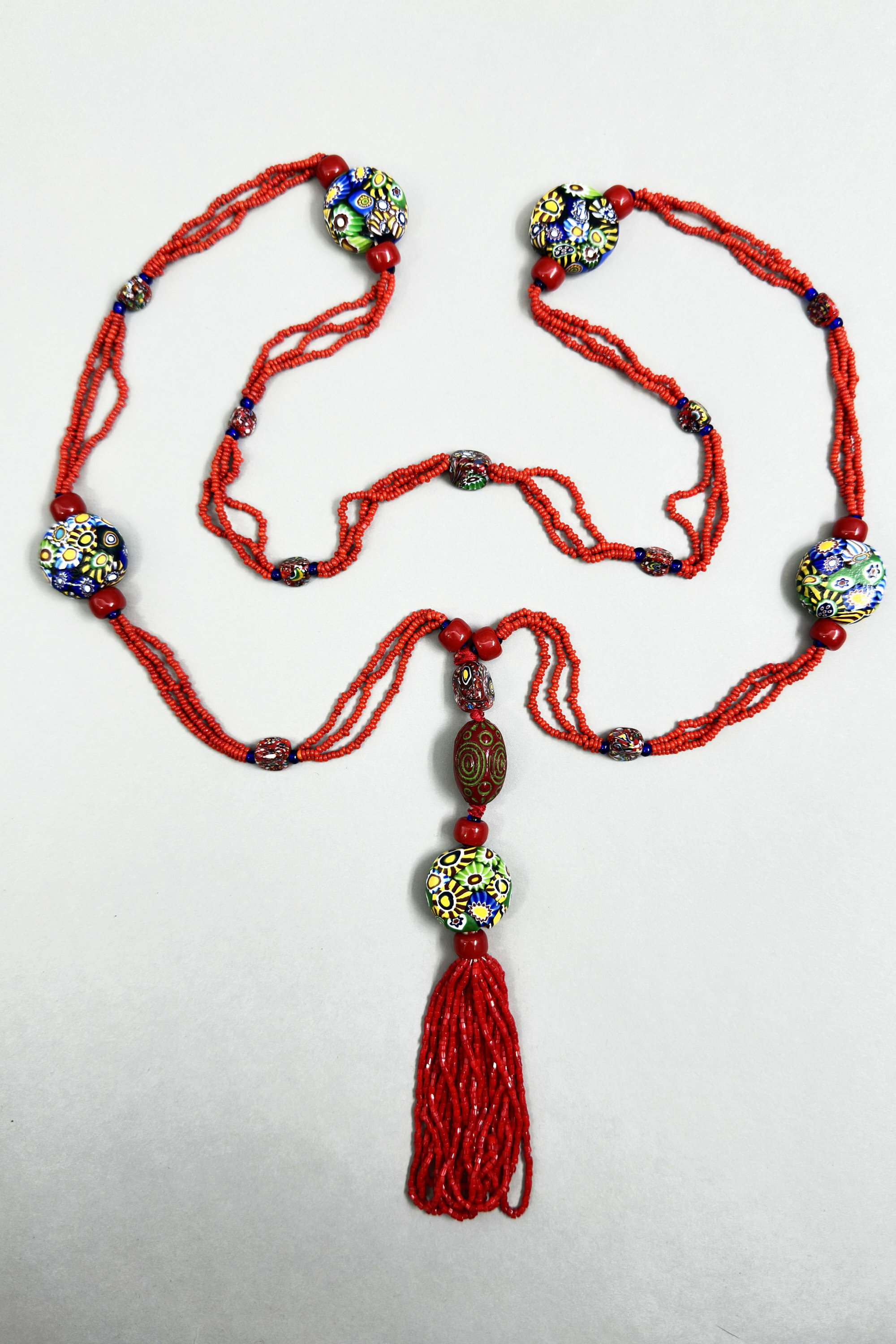
Mille fiore bead flapper necklace c1930
Price: £50
Czech glass faux turquoise brooch c1930
Price: £65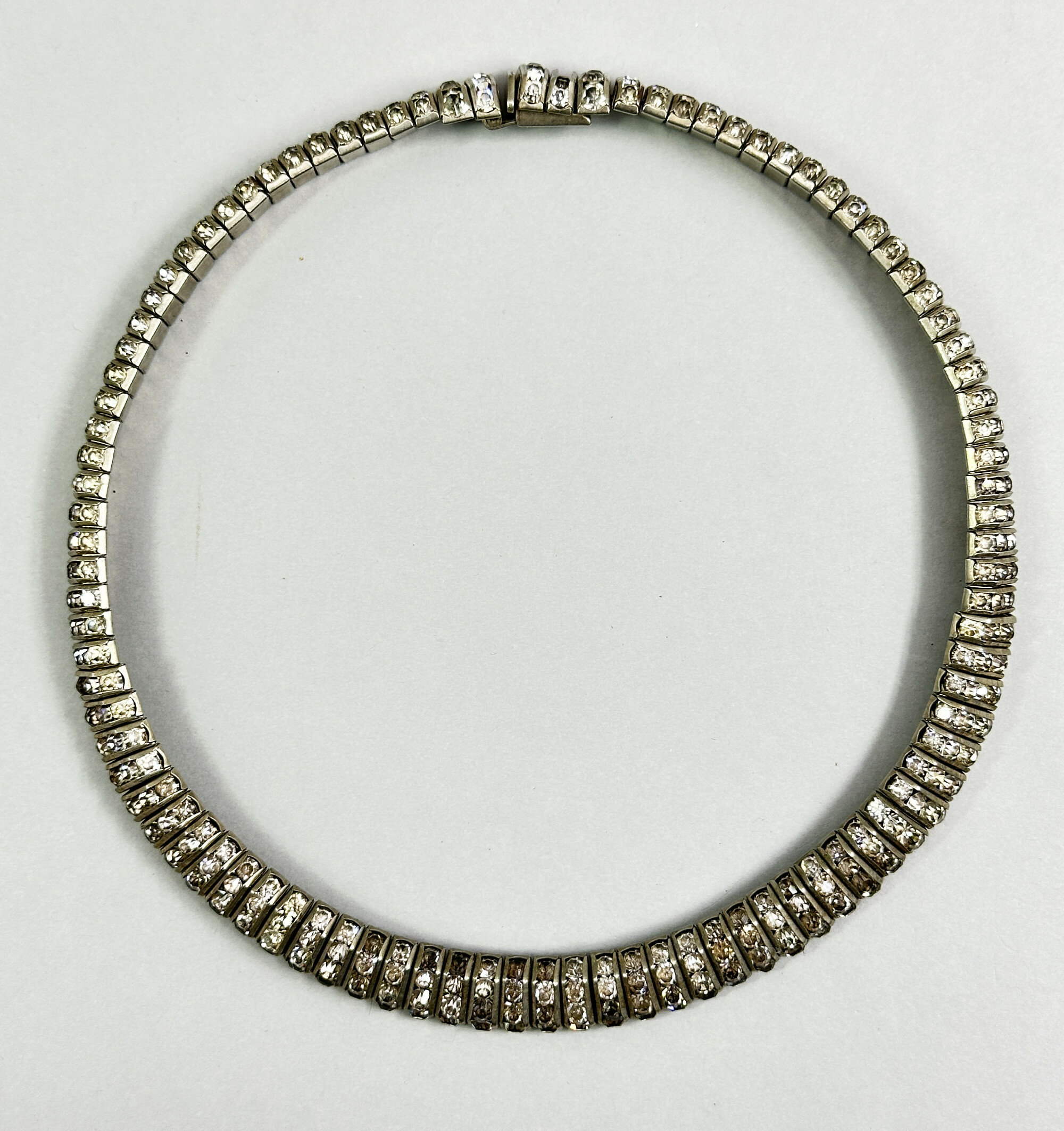
Art Deco paste collar necklace by Schreiber & Hiller c1930
Price: £125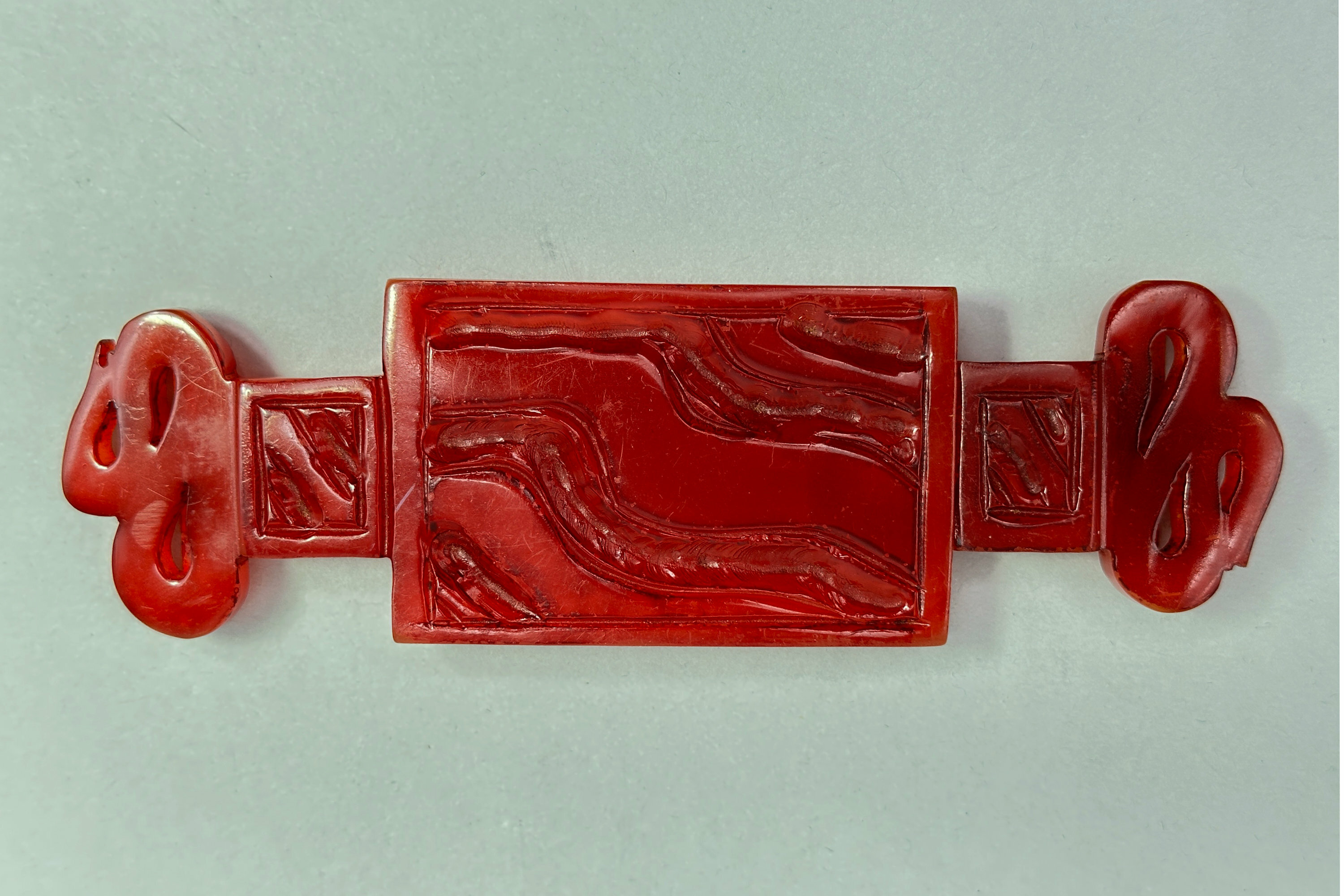
Rare large ruby red Bakelite buckle, American 1930s
Price: £75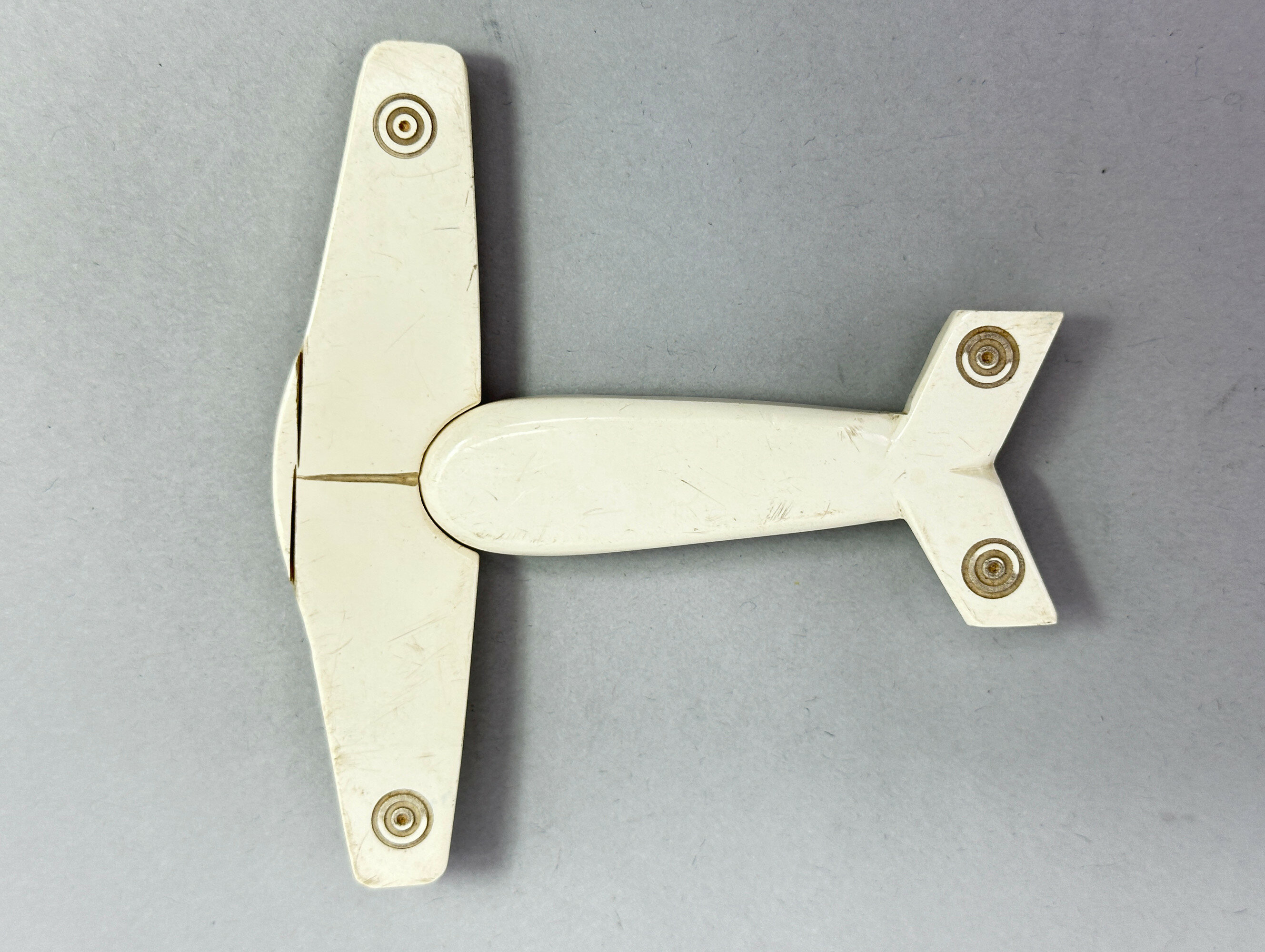
Striking Bakelite buckle in the shape of an airplane, American 1930s
Price: £45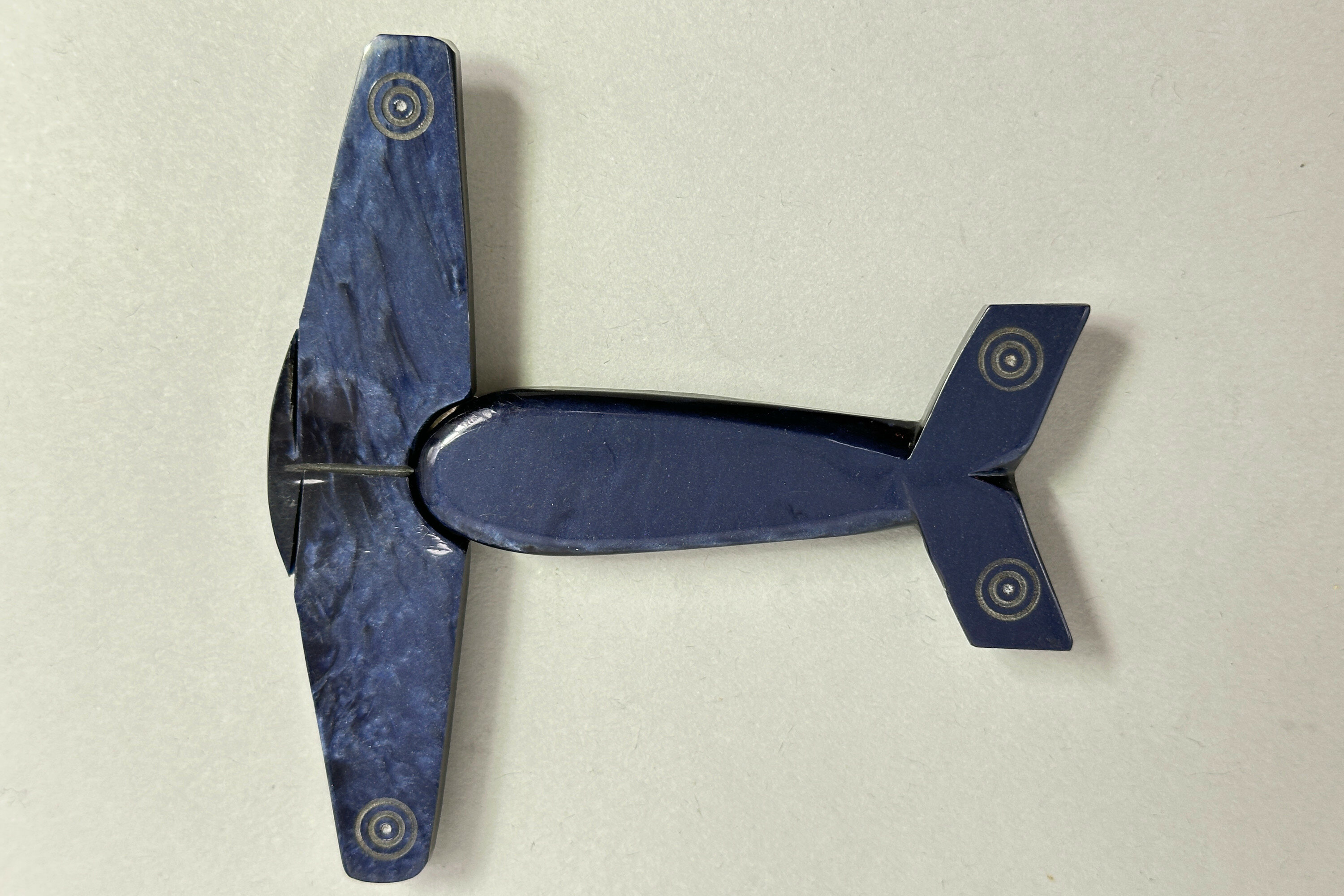
Mottled blue Bakelite buckle in the shape of an airplane, American 1930s
Price: £45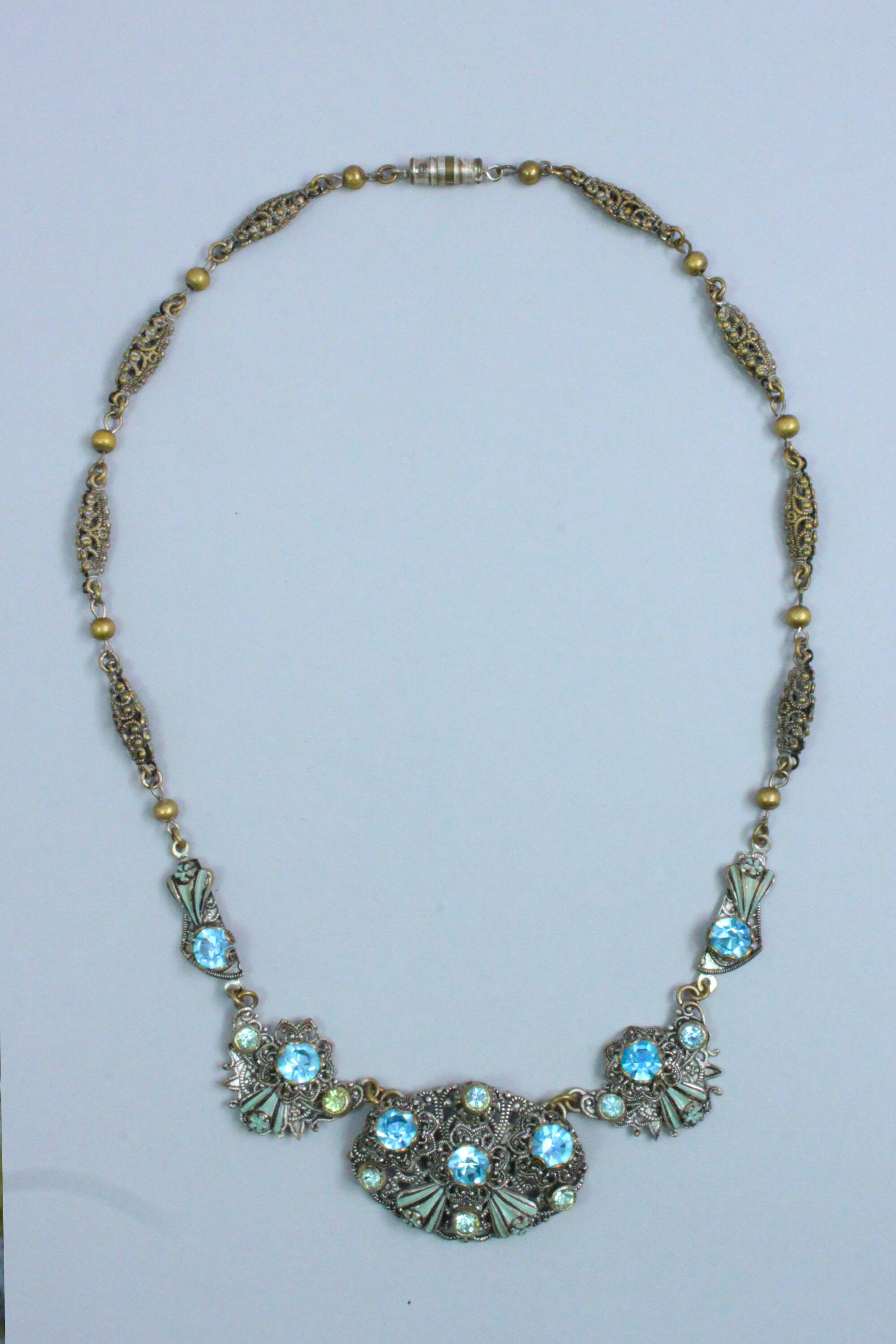
Art Deco Czech glass necklace with enamel and glass stones, 1930s
Price: £25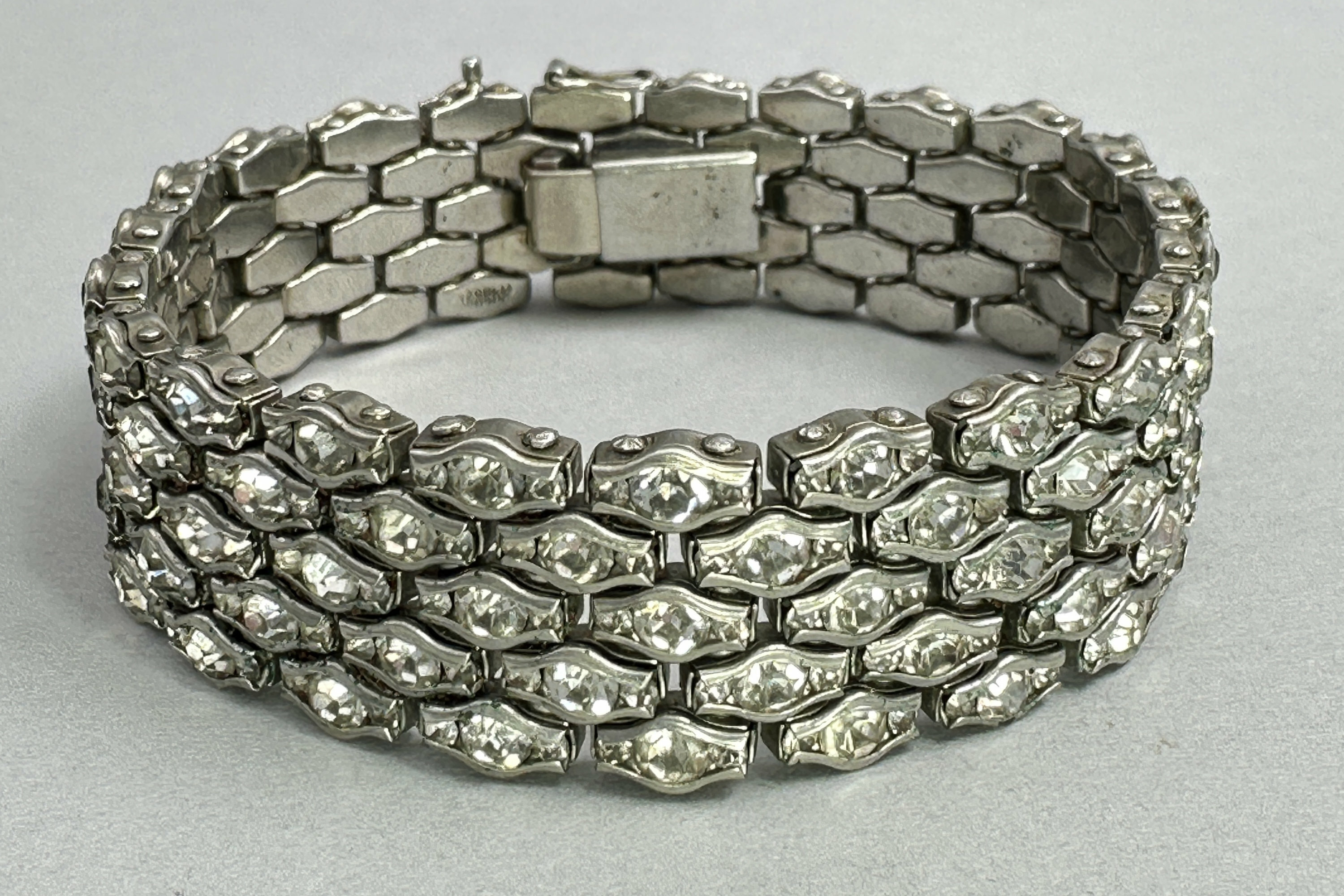
Art Deco paste bracelet by Schreiber & Hiller c1930
Price: £45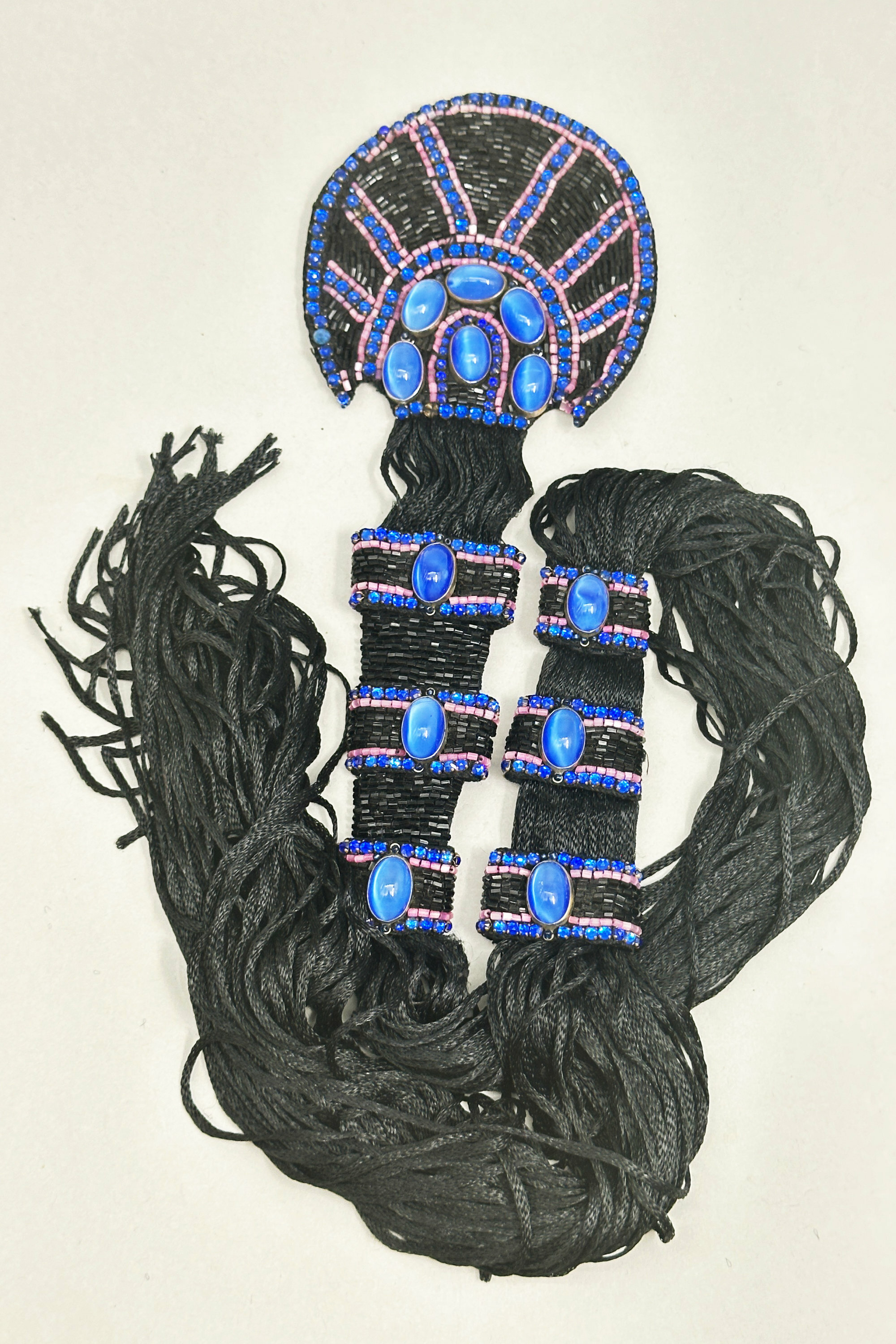
Art Deco beaded dress adornment
Price: £30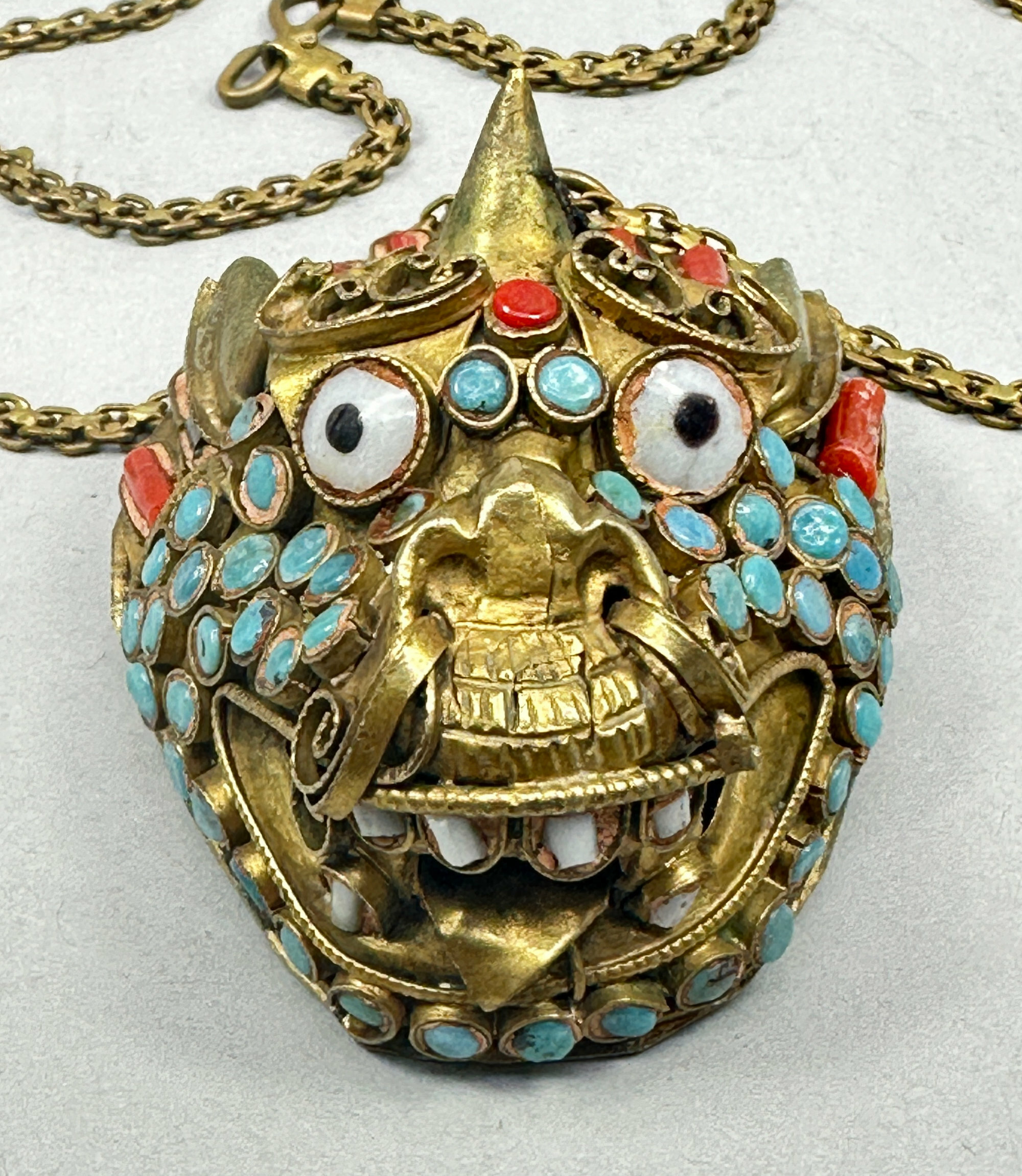
Art Deco Burmese dragon head Necklace, 1920s
Price: £75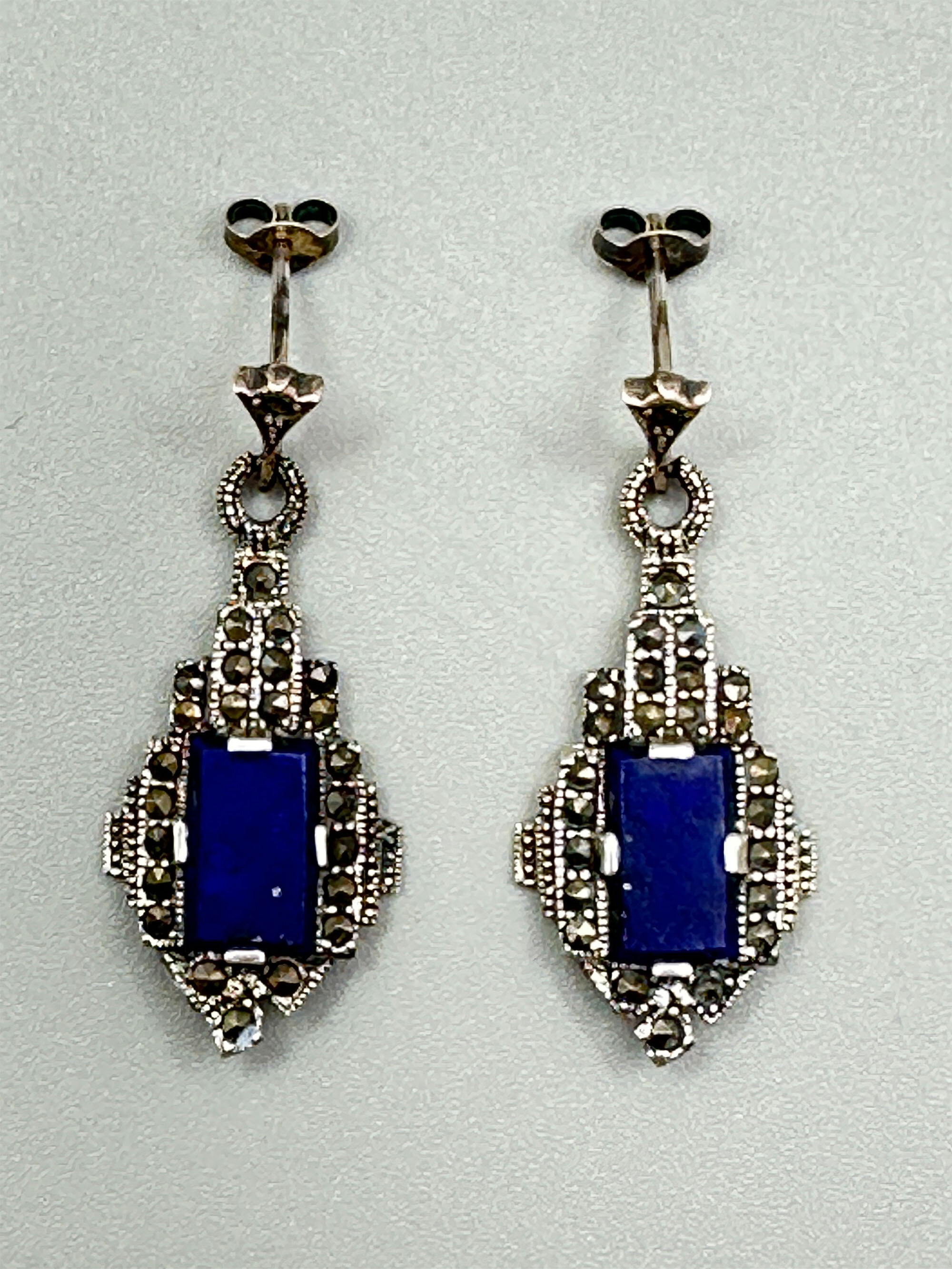
Art Deco lapis and marcasite earrings c1930
Price: £65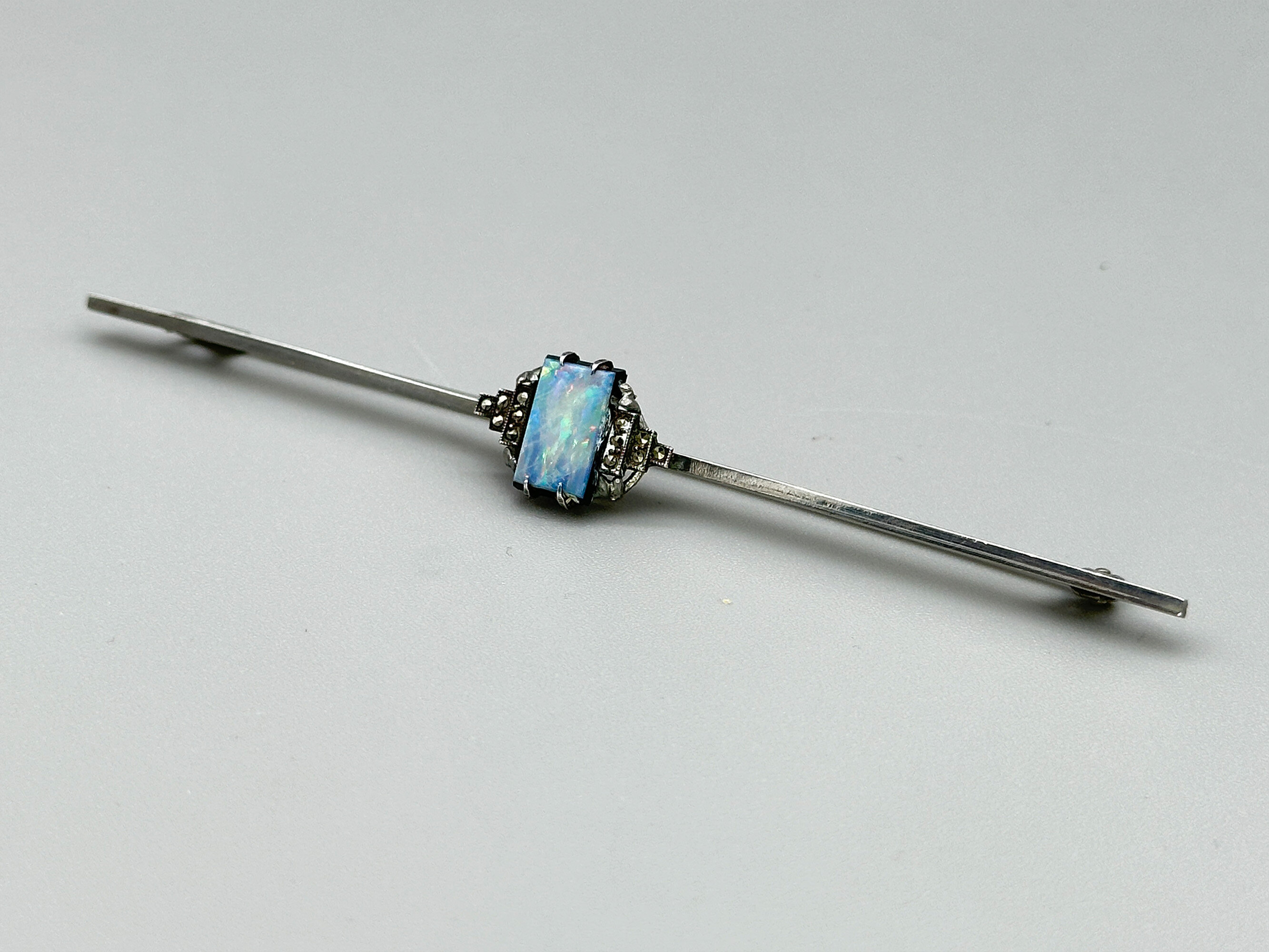
Art Deco bar brooch with rectangular opal c1920
Price: £150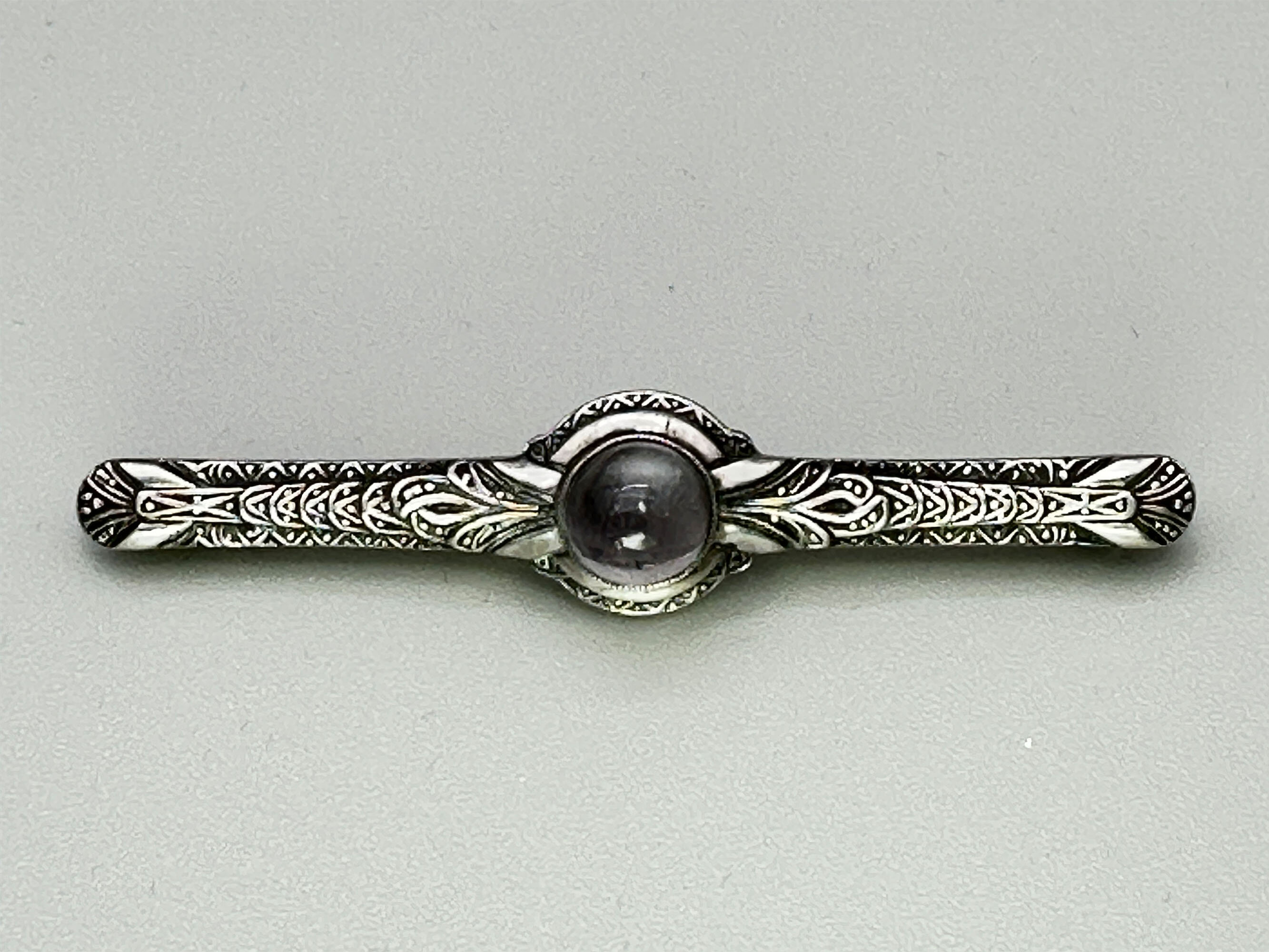
Art Deco bar brooch with moonstone cabochon, c1930
Price: £75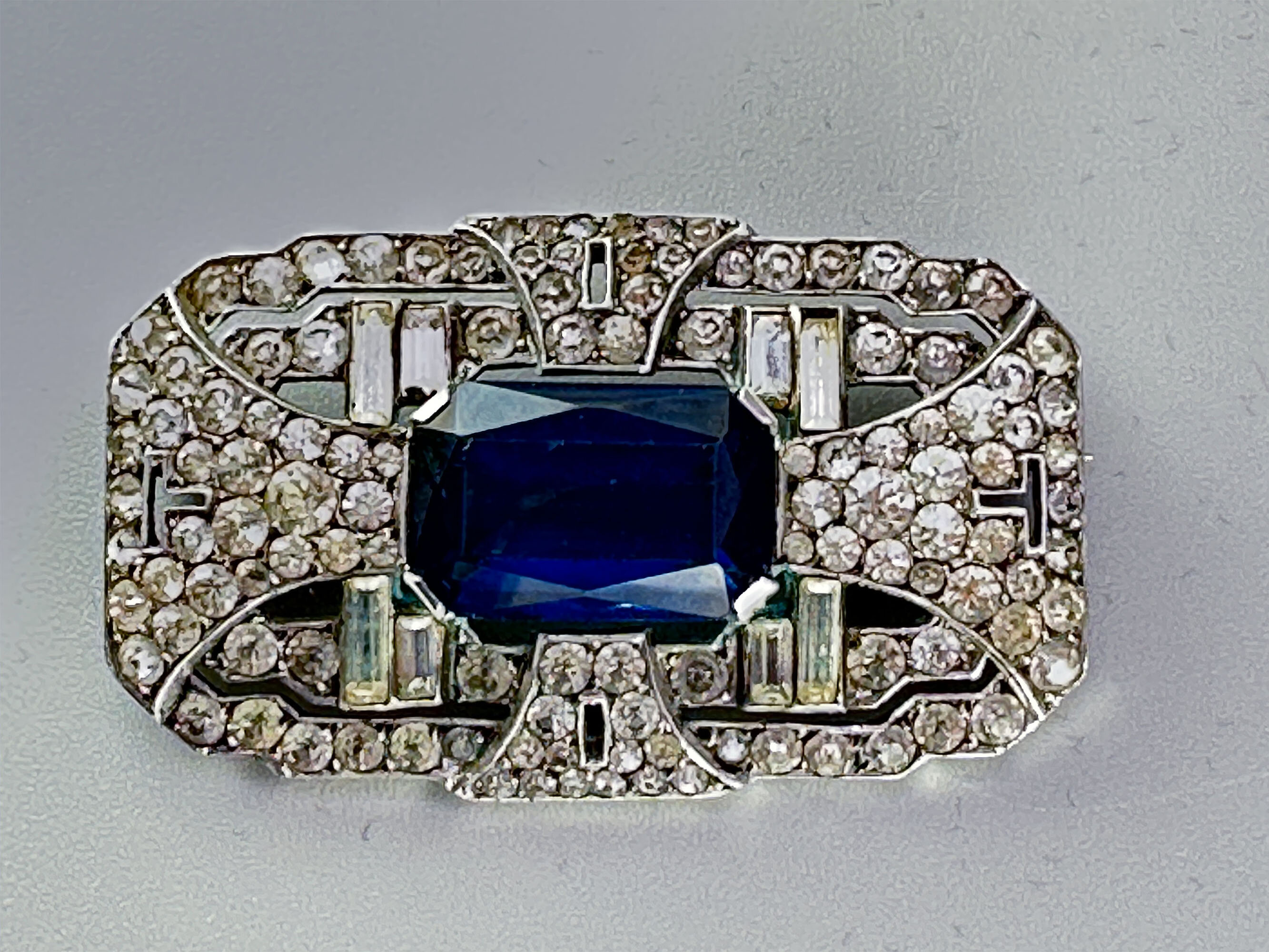
Art Deco silver brooch with paste stones c1930
Price: £85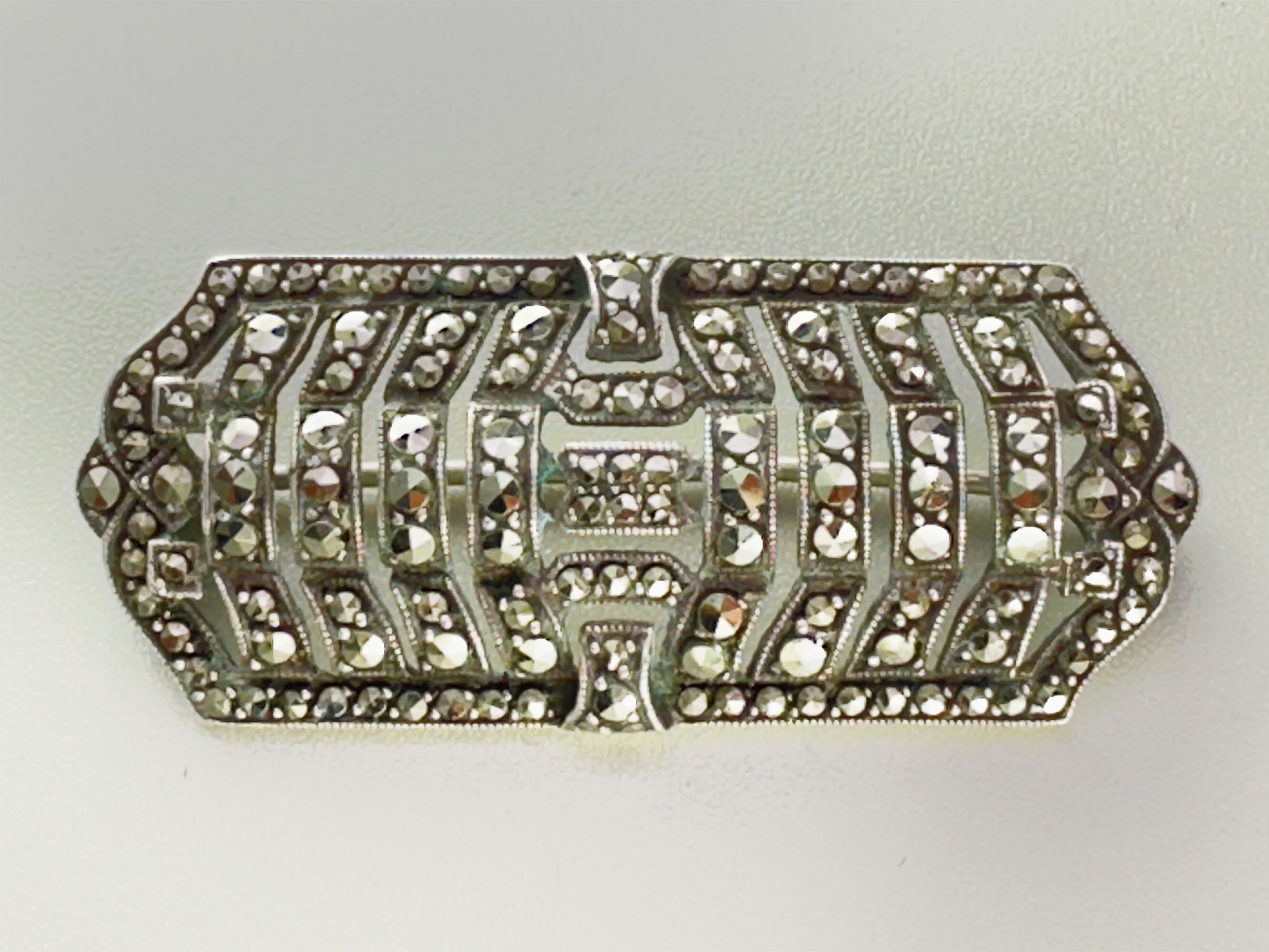
Art Deco silver and marcasite brooch c1920
Price: £75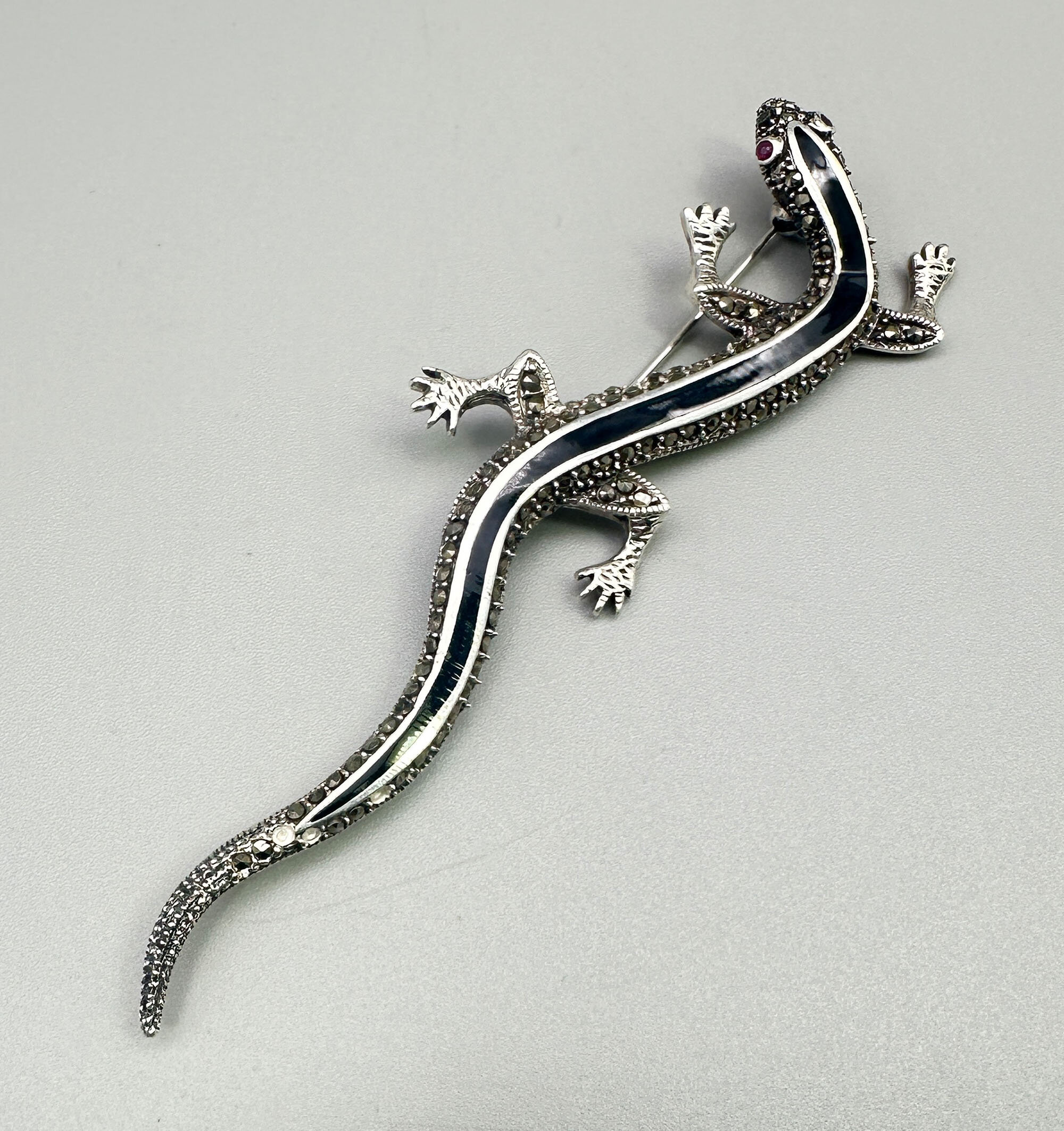
Art Deco lizard silver and enamel brooch c1940
Price: £95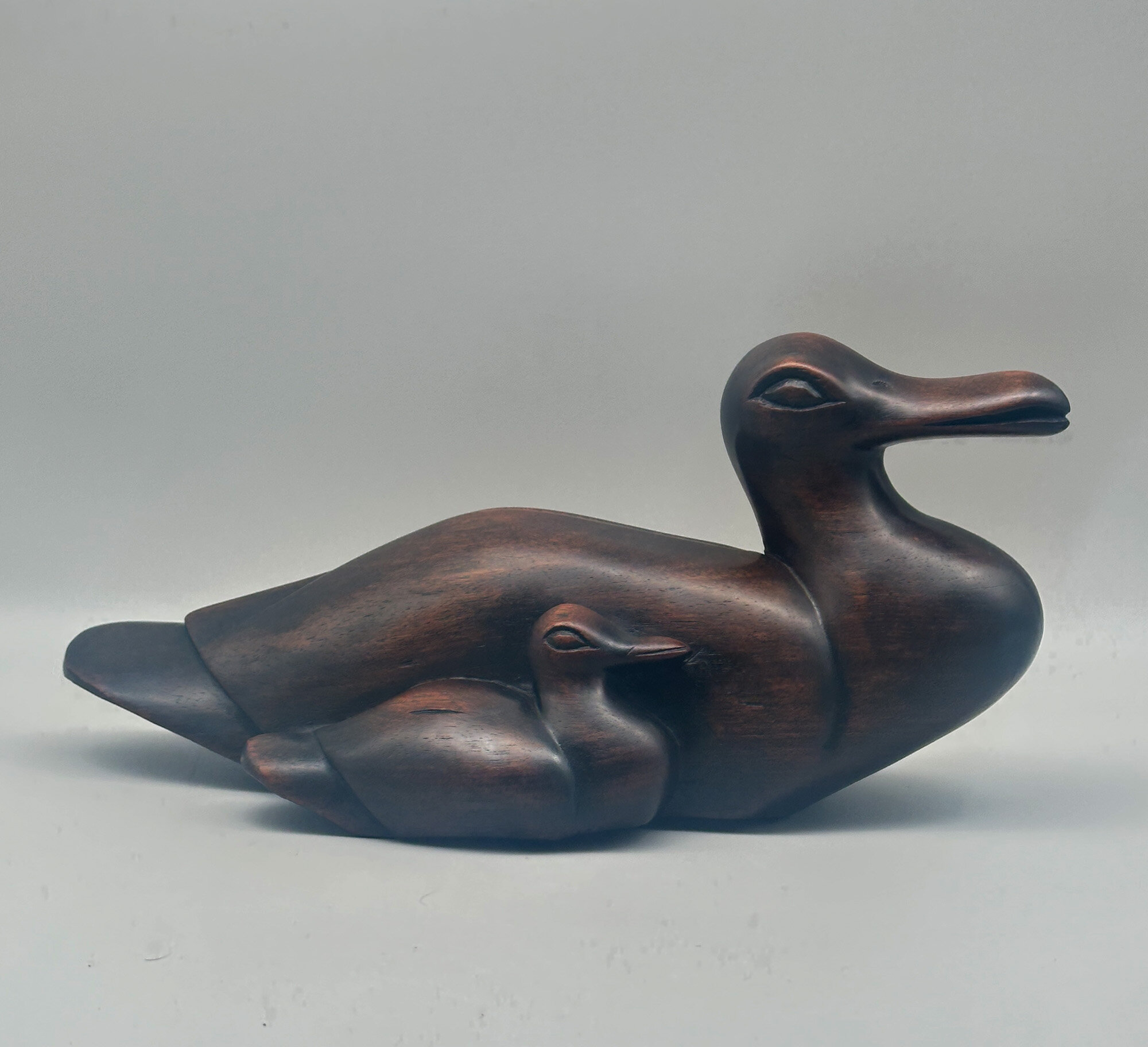
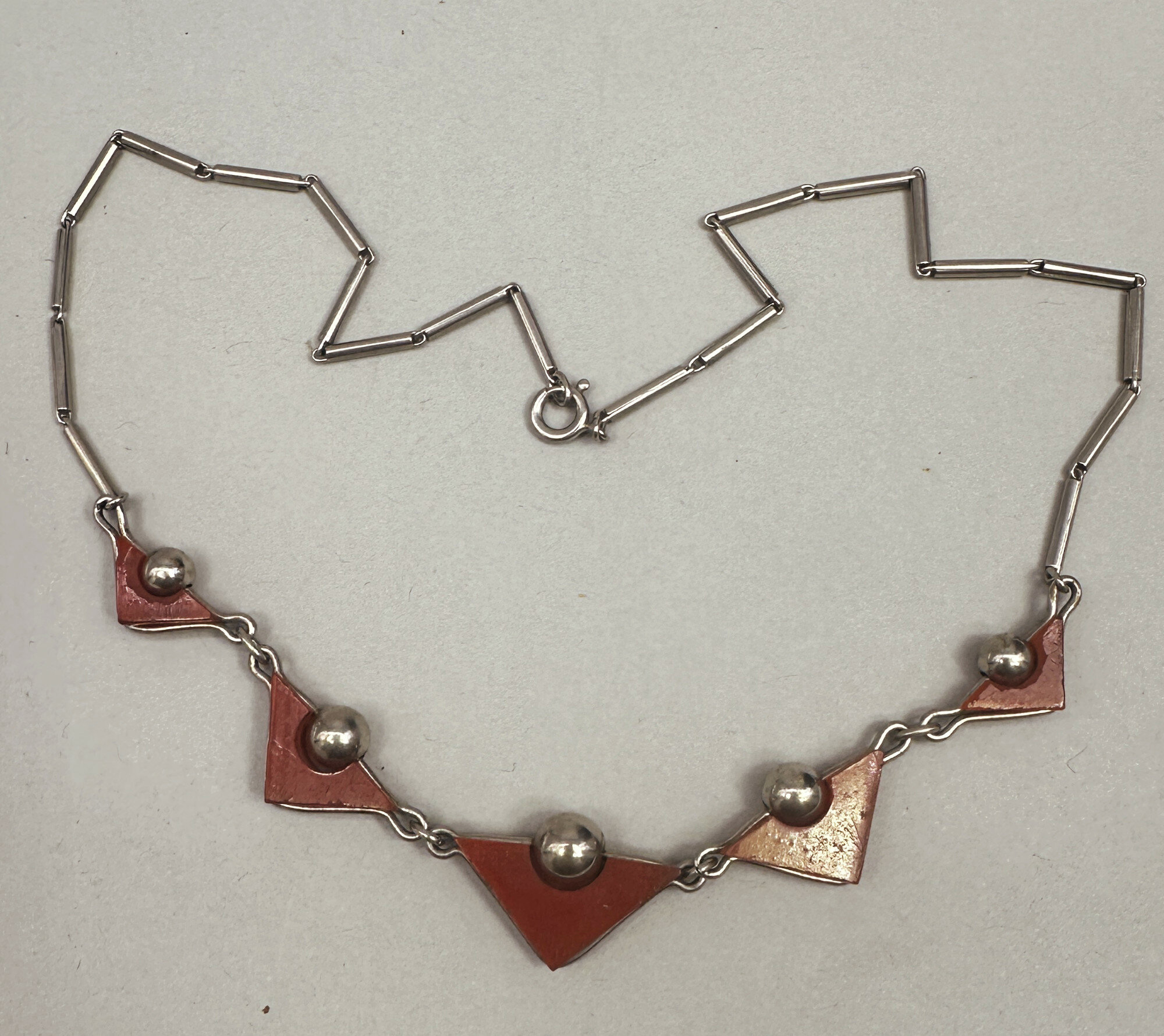
Large ironwood (palo fierro) carving of a duck and baby, Mexico, second half C20th
Price: £75Carving was originally done by the Seri people, a nomadic tribe of no more than 500 who live in Mexico and then by town and city dwellers from Sonora and Baja California, who embarked on the trade after the figures became commercially popular. Seri carvings were essentially hand made whereas the mass produced pieces were created with the use of power tools.
The forms are derived from the wildlife to be found in Mexico and are often abstract in style. While it may owe some elements to the use of machine tools, this carving is a fine example of the ‘ironwood’ style and is, in fact, an unusual composition with the mother and baby duck carved in one piece. The modelling is expressive and well complemented by the patina and finish of the wood. From the above, dating is clearly to the second half of the twentieth century and perhaps more to its later years if this is an example of the ‘commercial’ pieces produced at that time.
Jakob Bengel Machine Age necklace c1930
Price: £55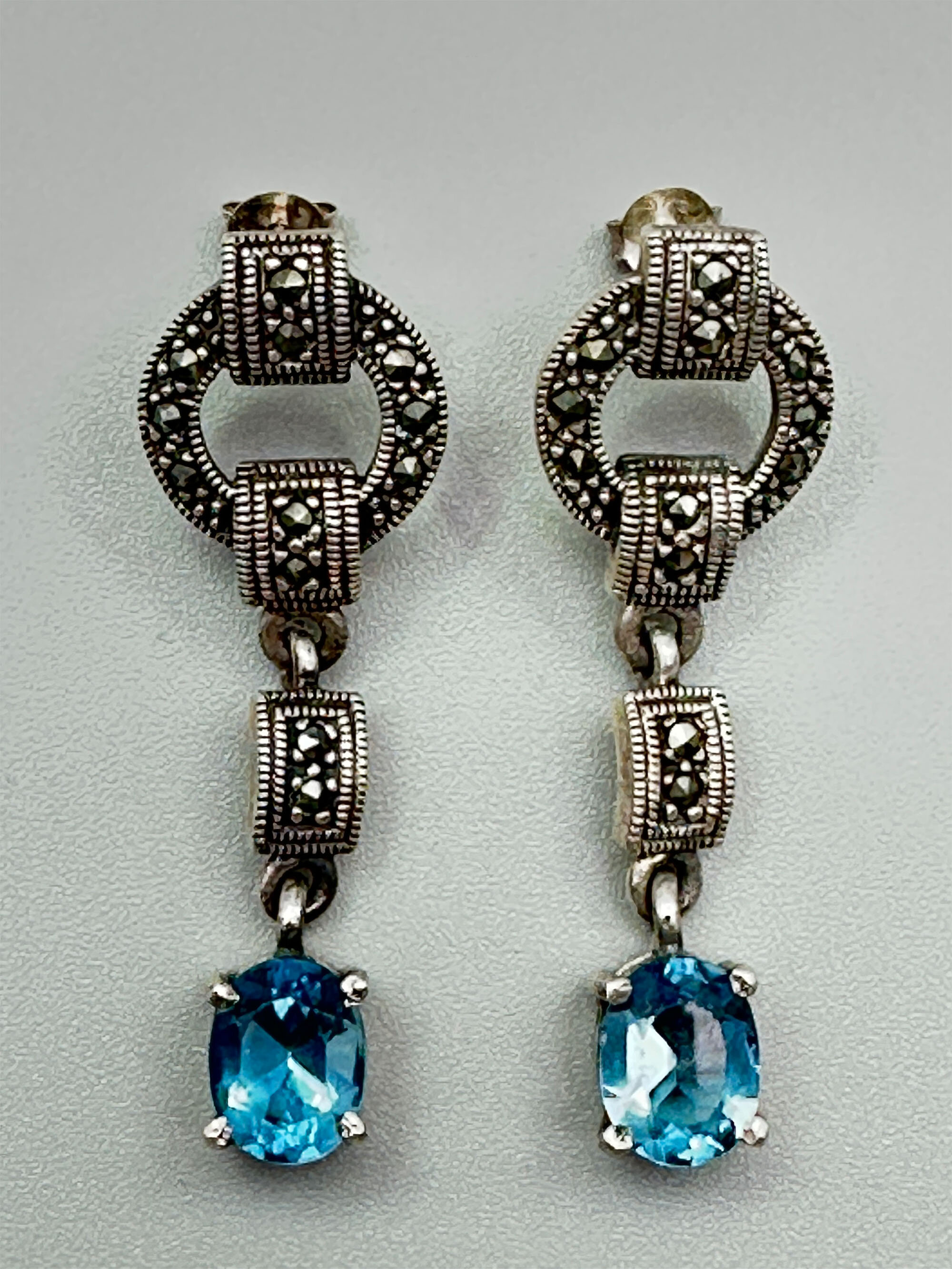
Art Deco marcasite and aquamarine earrings c1940
Price: £55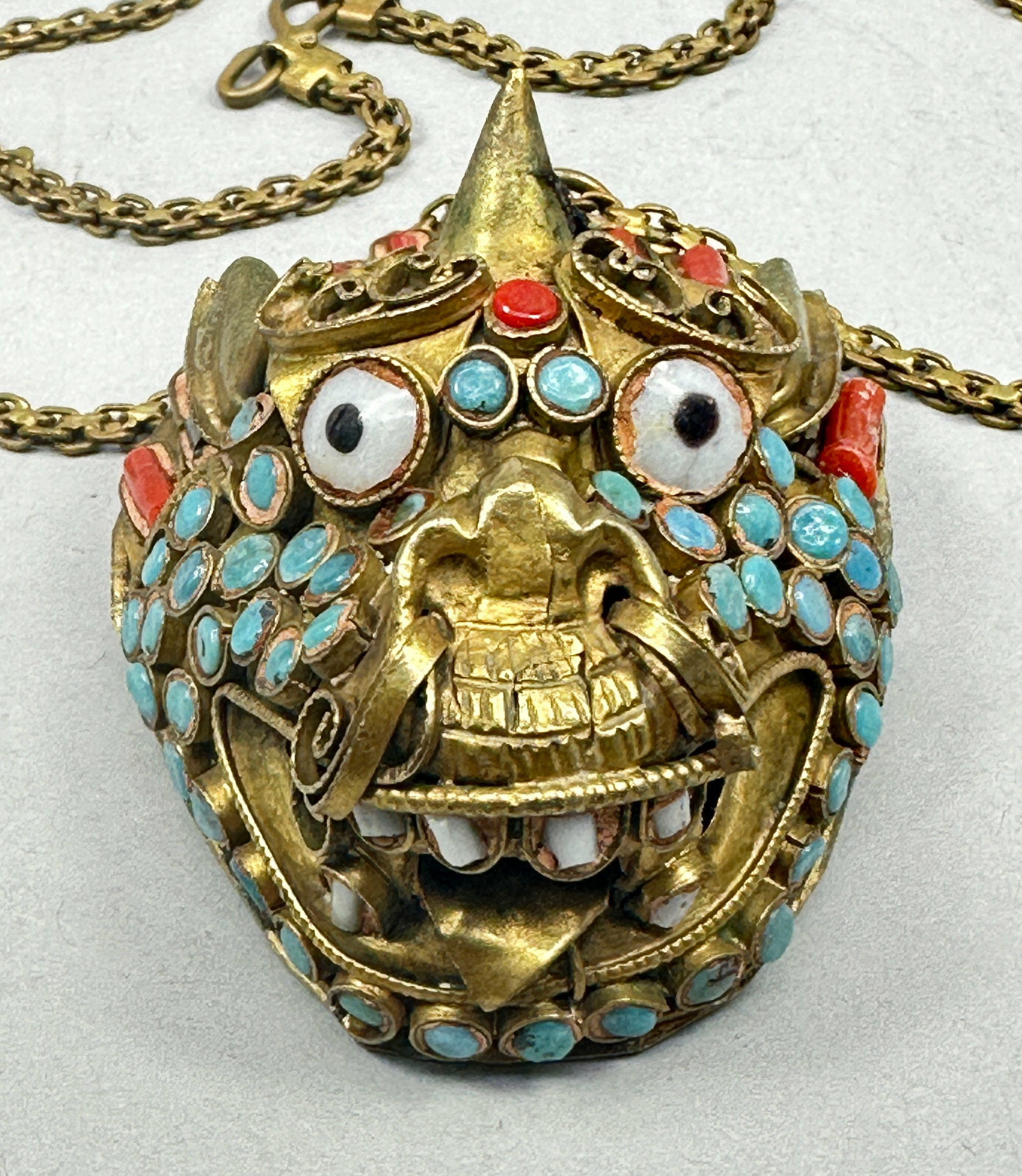
Art Deco Burmese dragon head Necklace, 1920s
Price: £75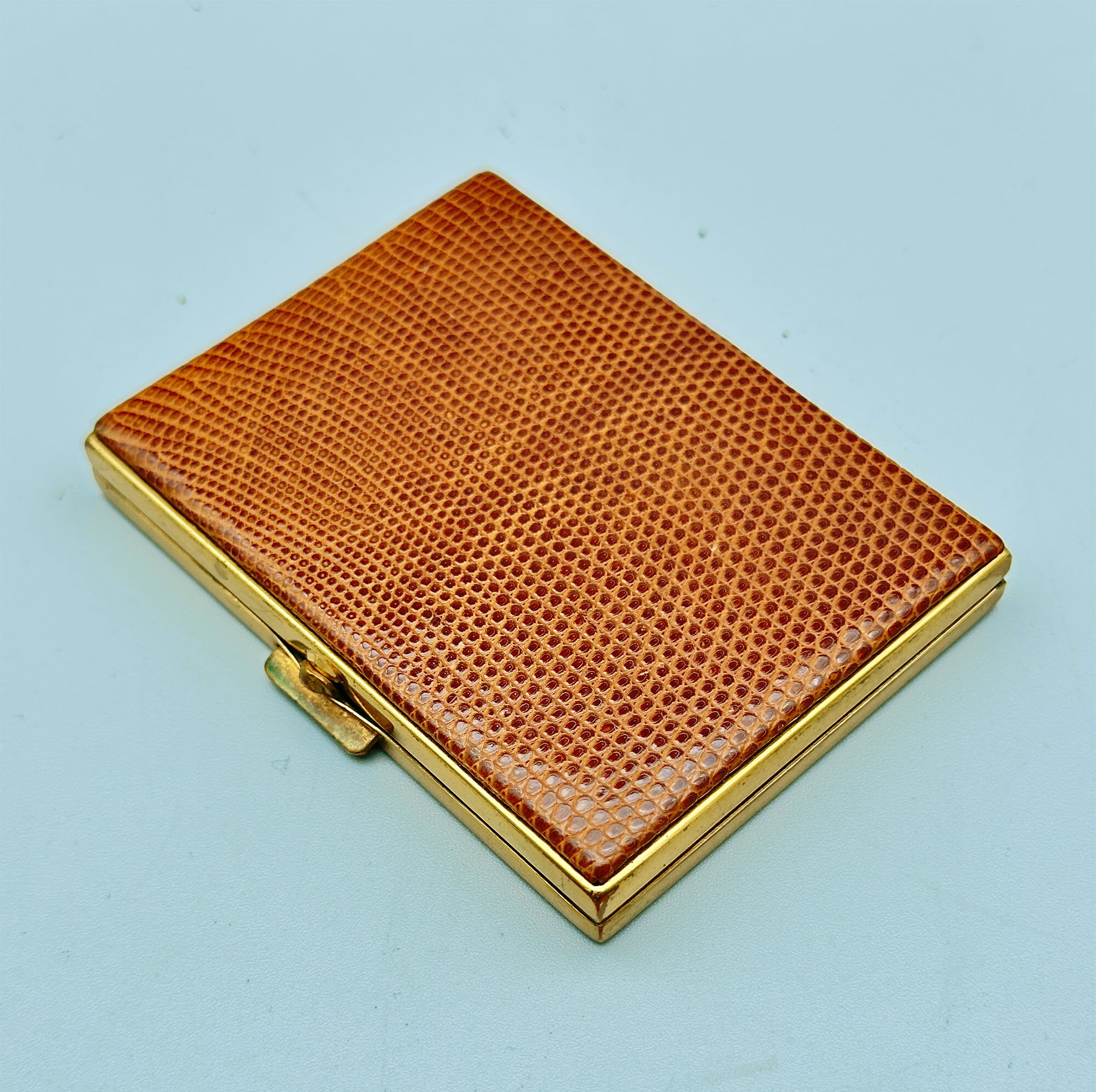
Powder compact with a lizard skin lid made by Patrys, France, 1950s
Price: £25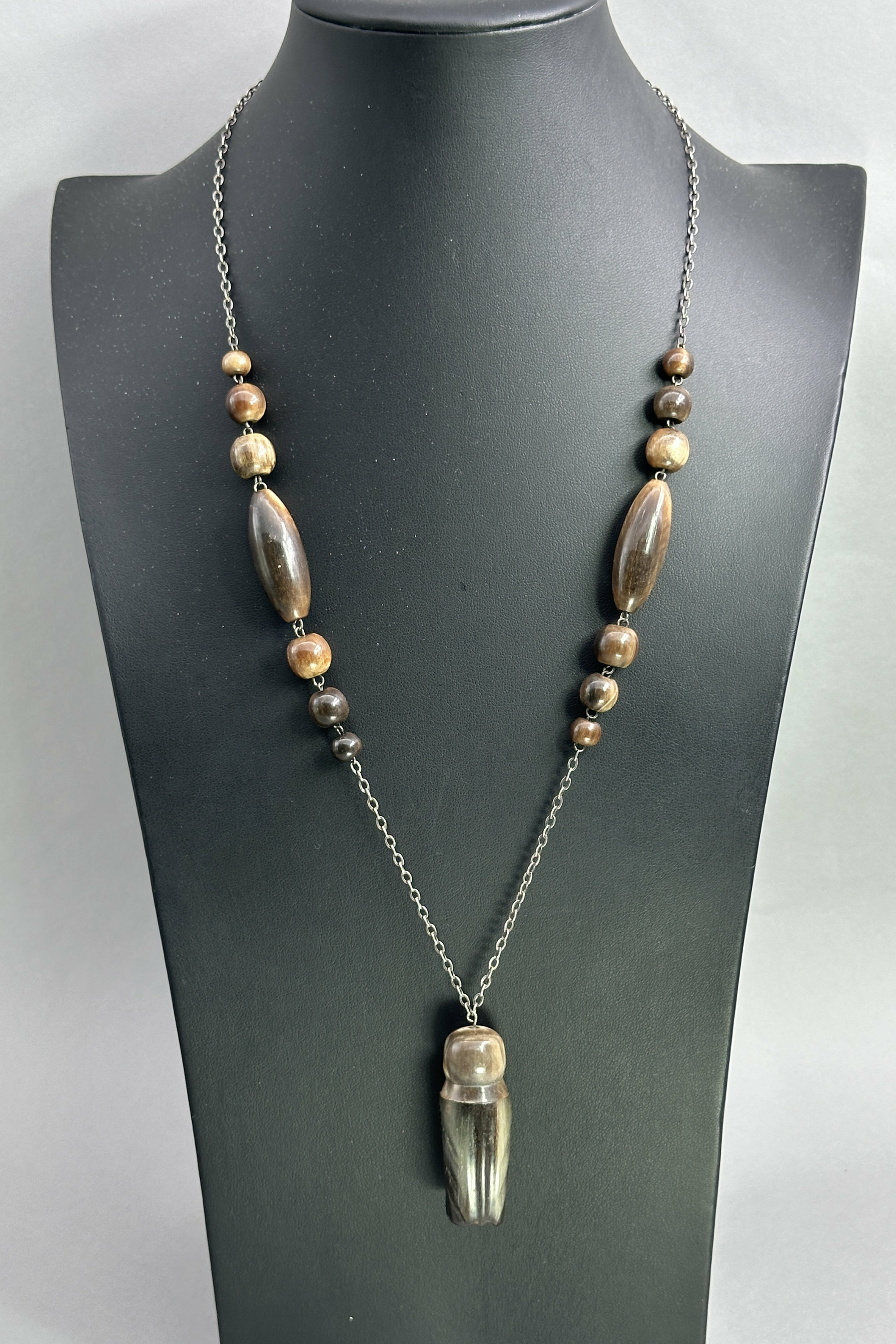
Art Deco Cicada Necklace, probably English 1930s
Price: £35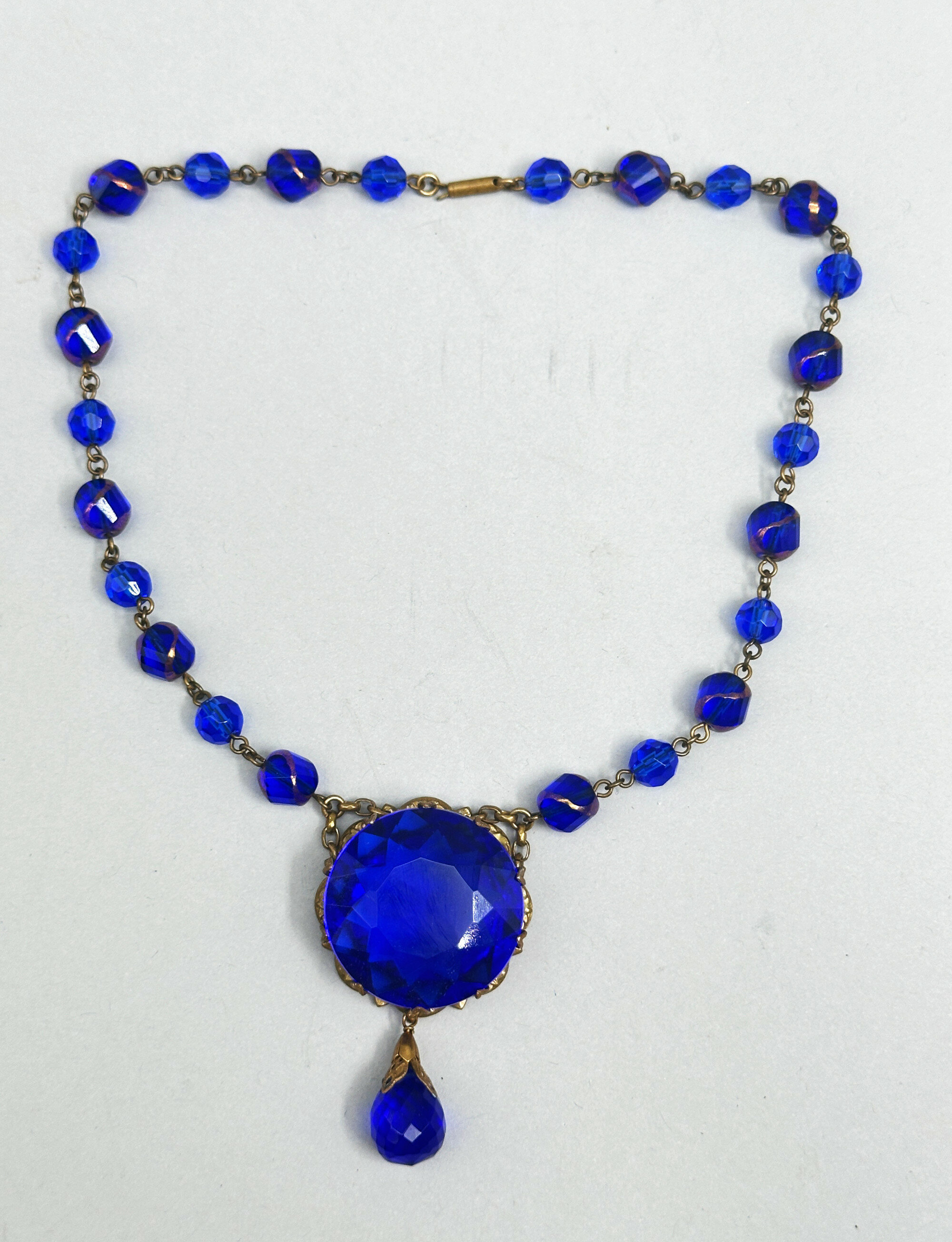
Art Deco necklace with blue paste stones 1930s
Price: £45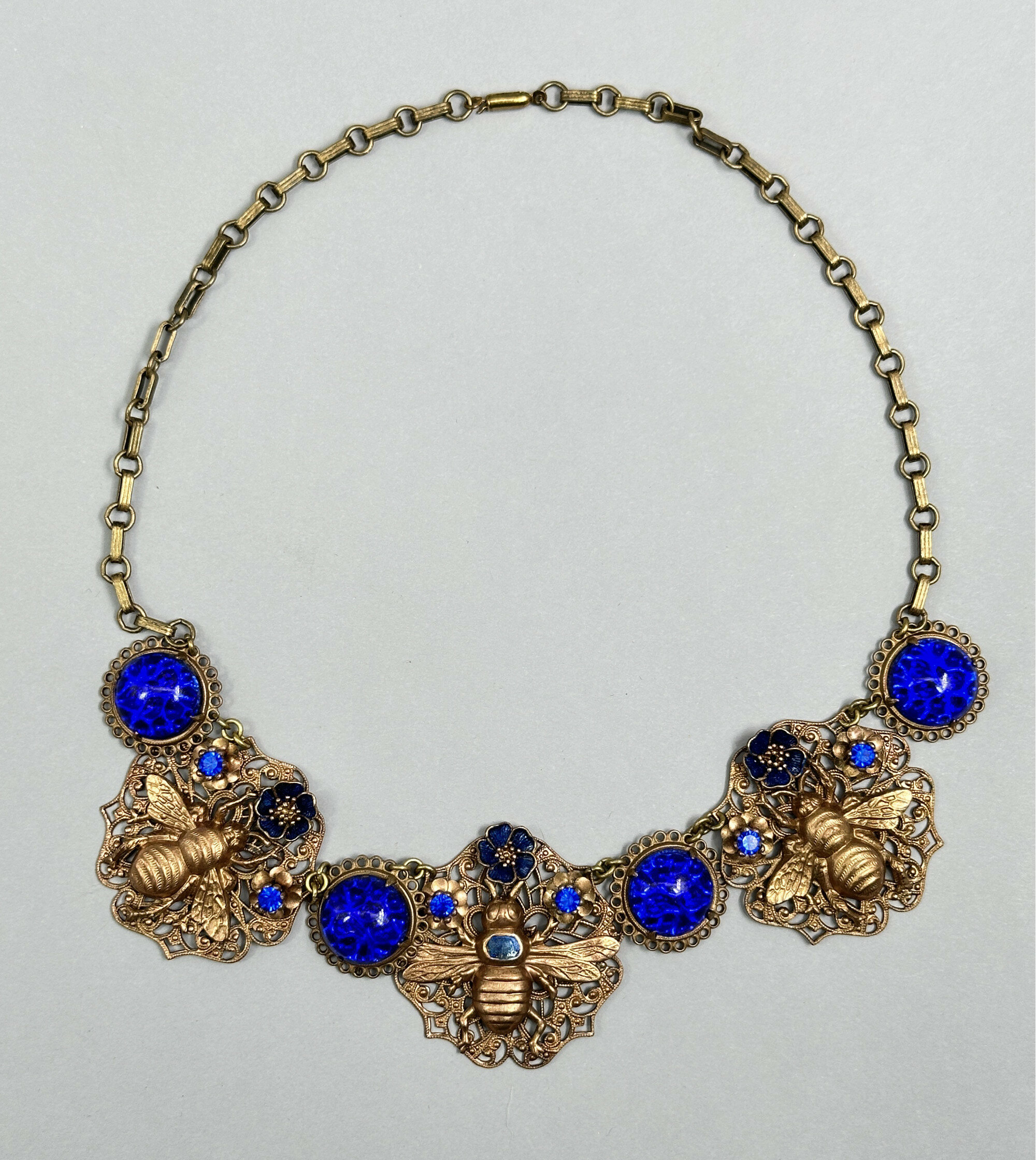
Art Deco bee motif necklace 1930s
Price: £125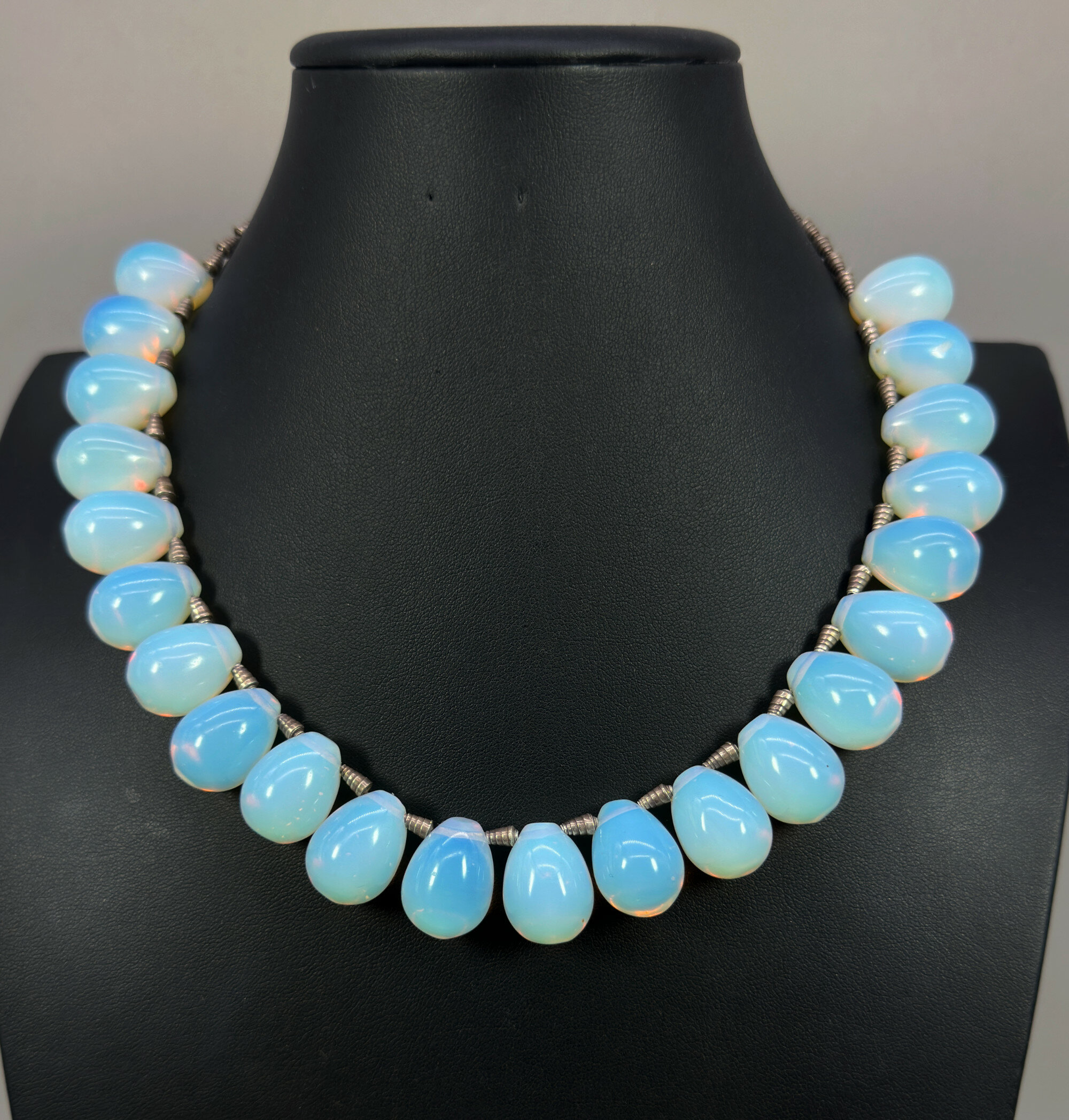
Art Deco opaline glass necklace 1930s
Price: £125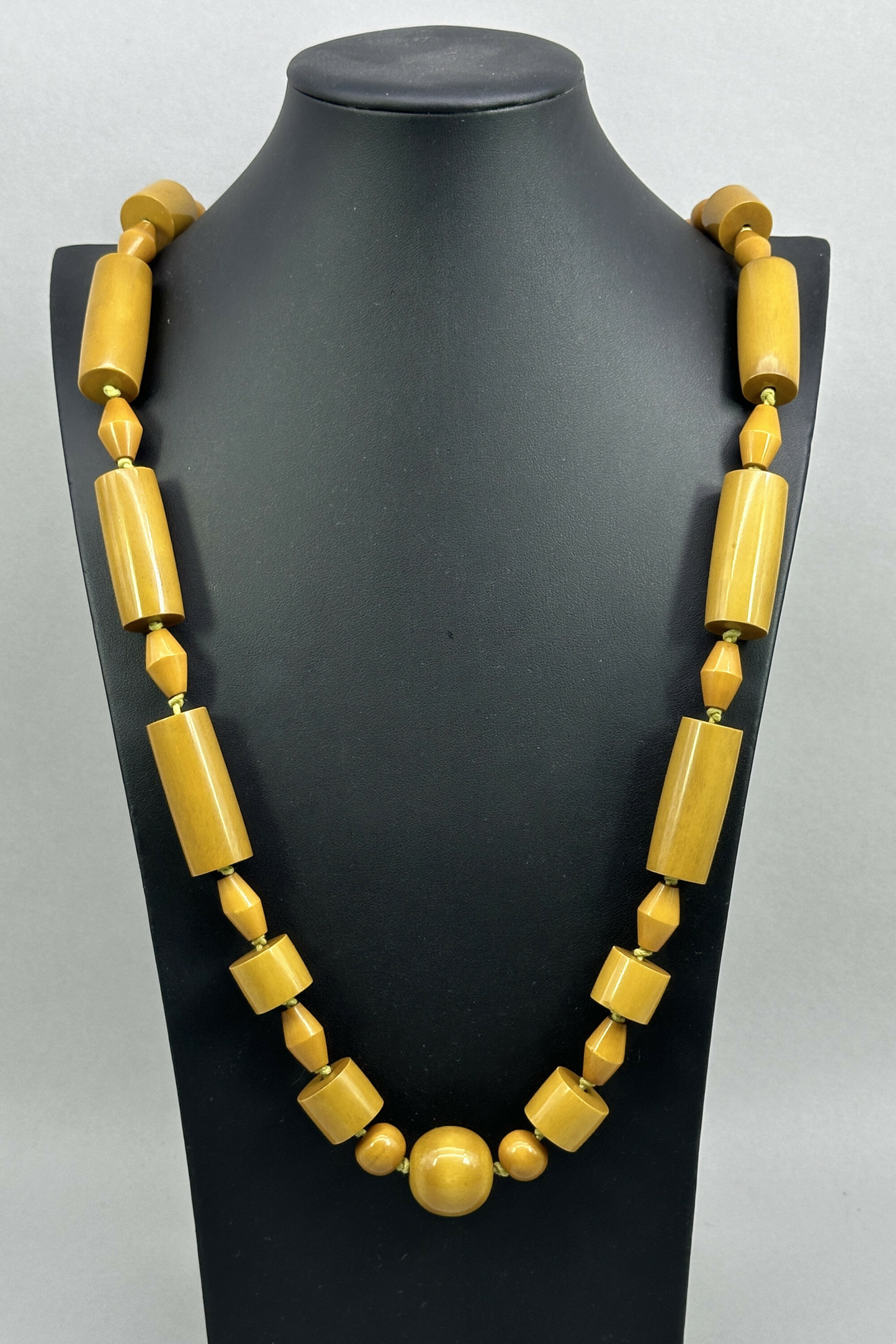
Art Deco Catalin Bakelite necklace, American c1930
Price: £125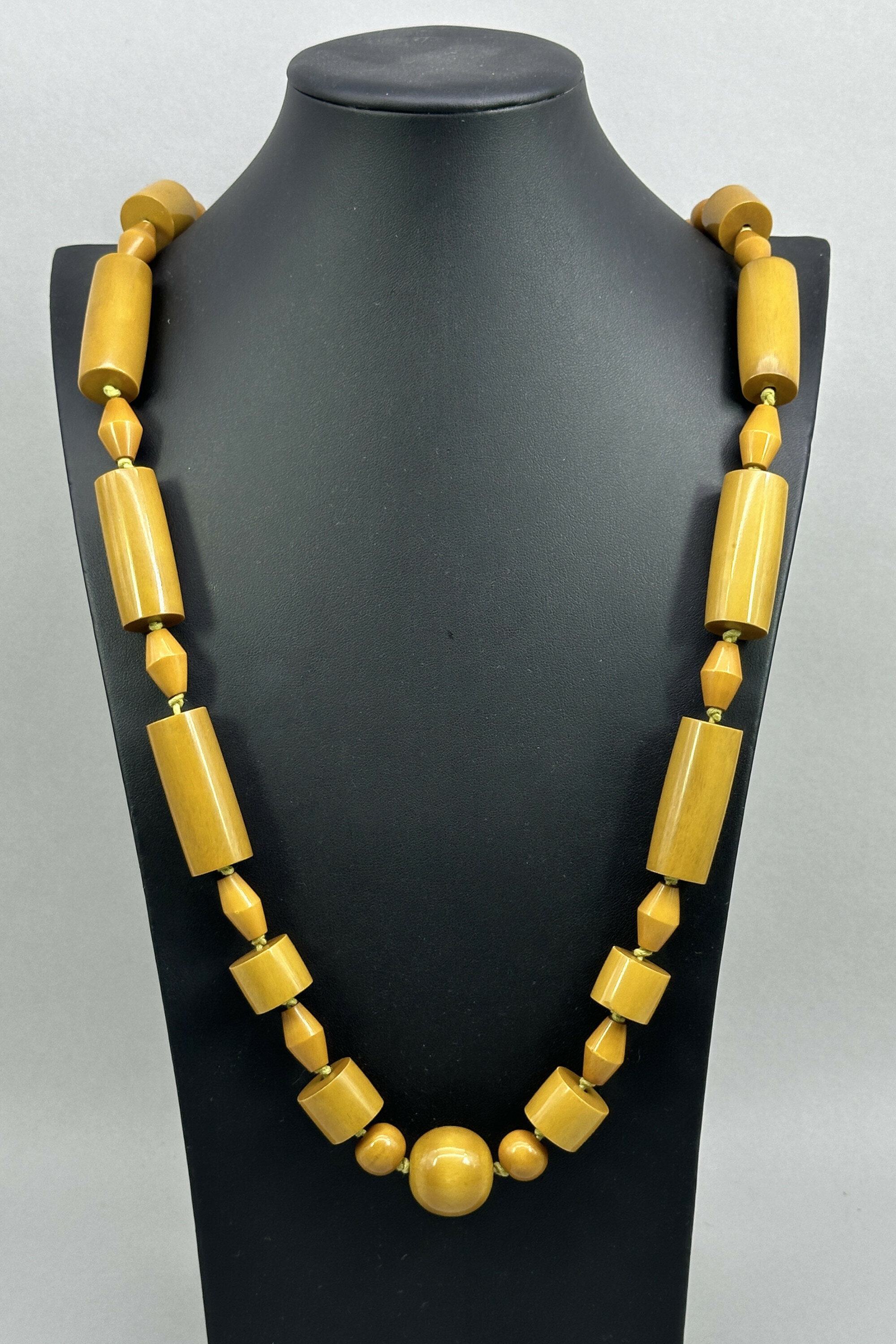
Art Deco Catalin Bakelite necklace, American c1930
Price: £125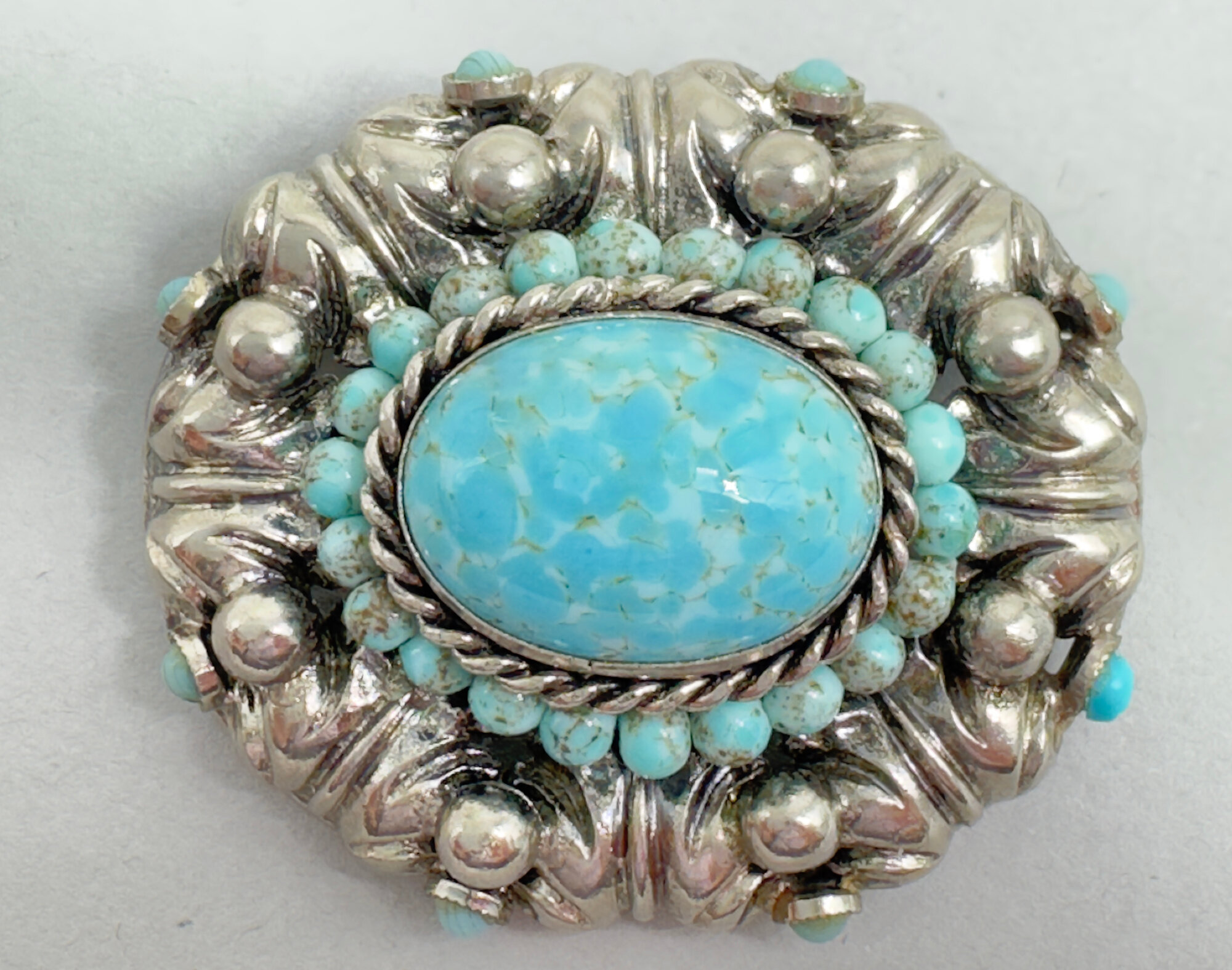
Czech glass faux turquoise brooch c1930
Price: £65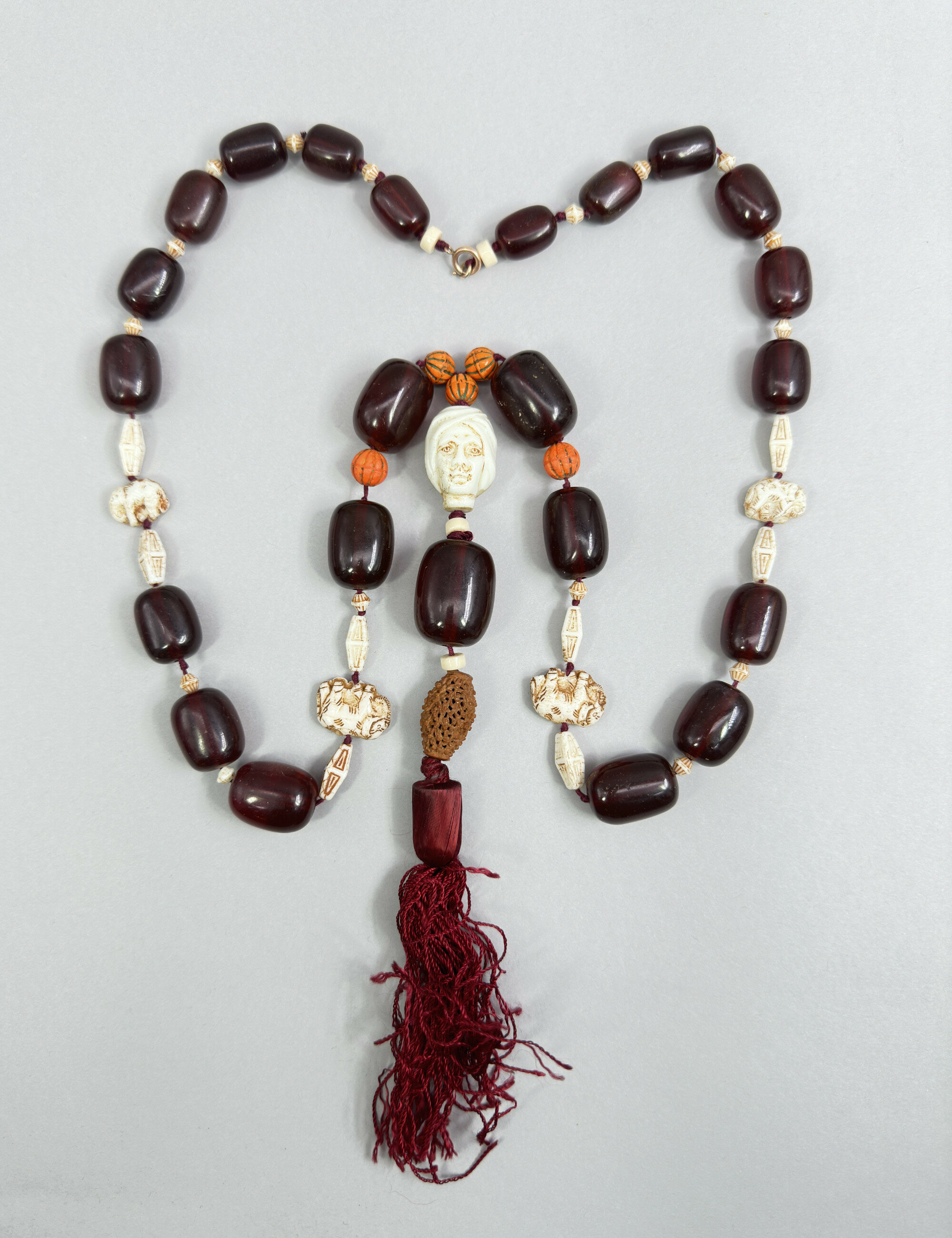
Stunning long Art Deco necklace with cherry amber beads
Price: £250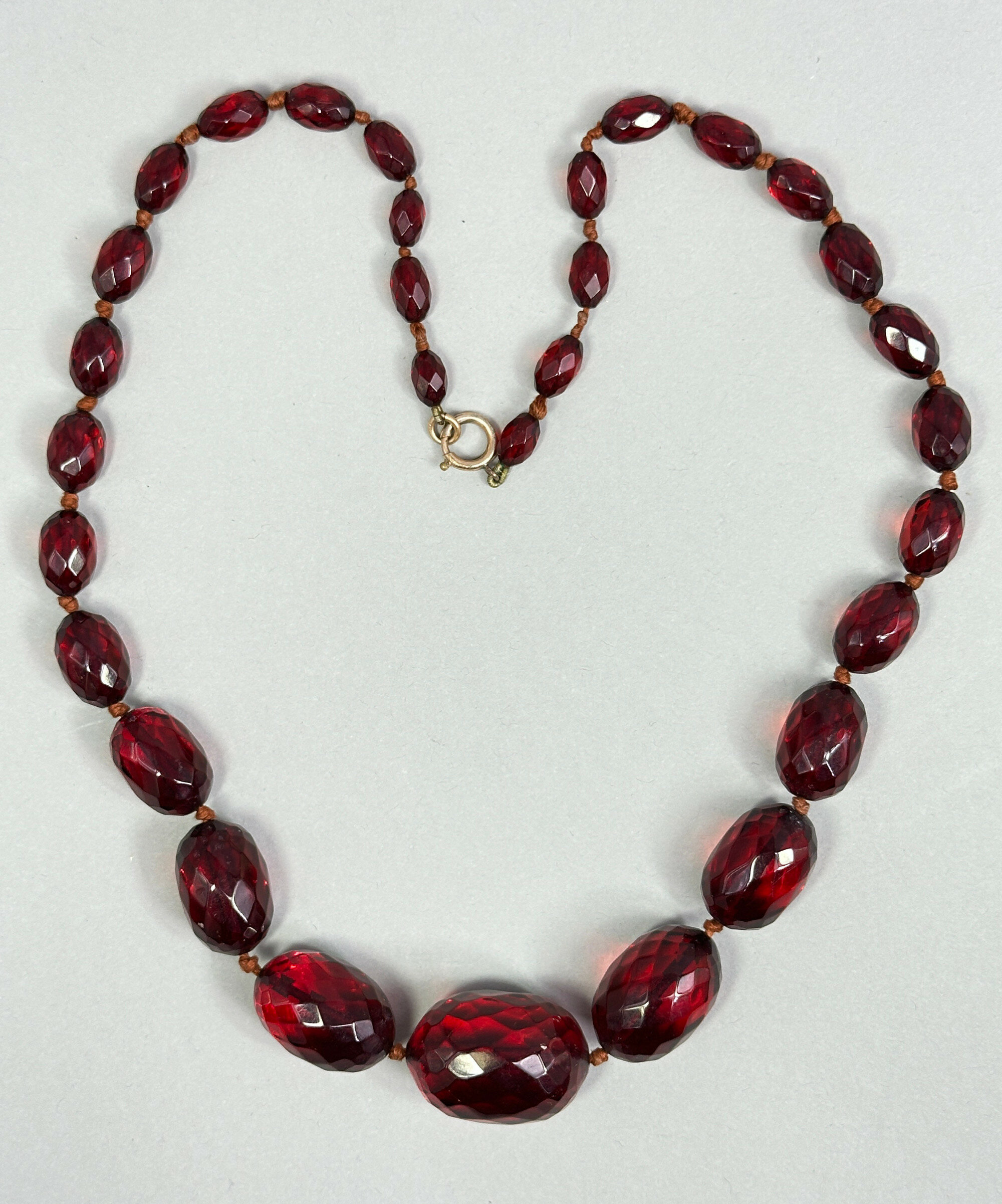
Cherry amber Bakelite necklace, Germany 1920s
Price: £150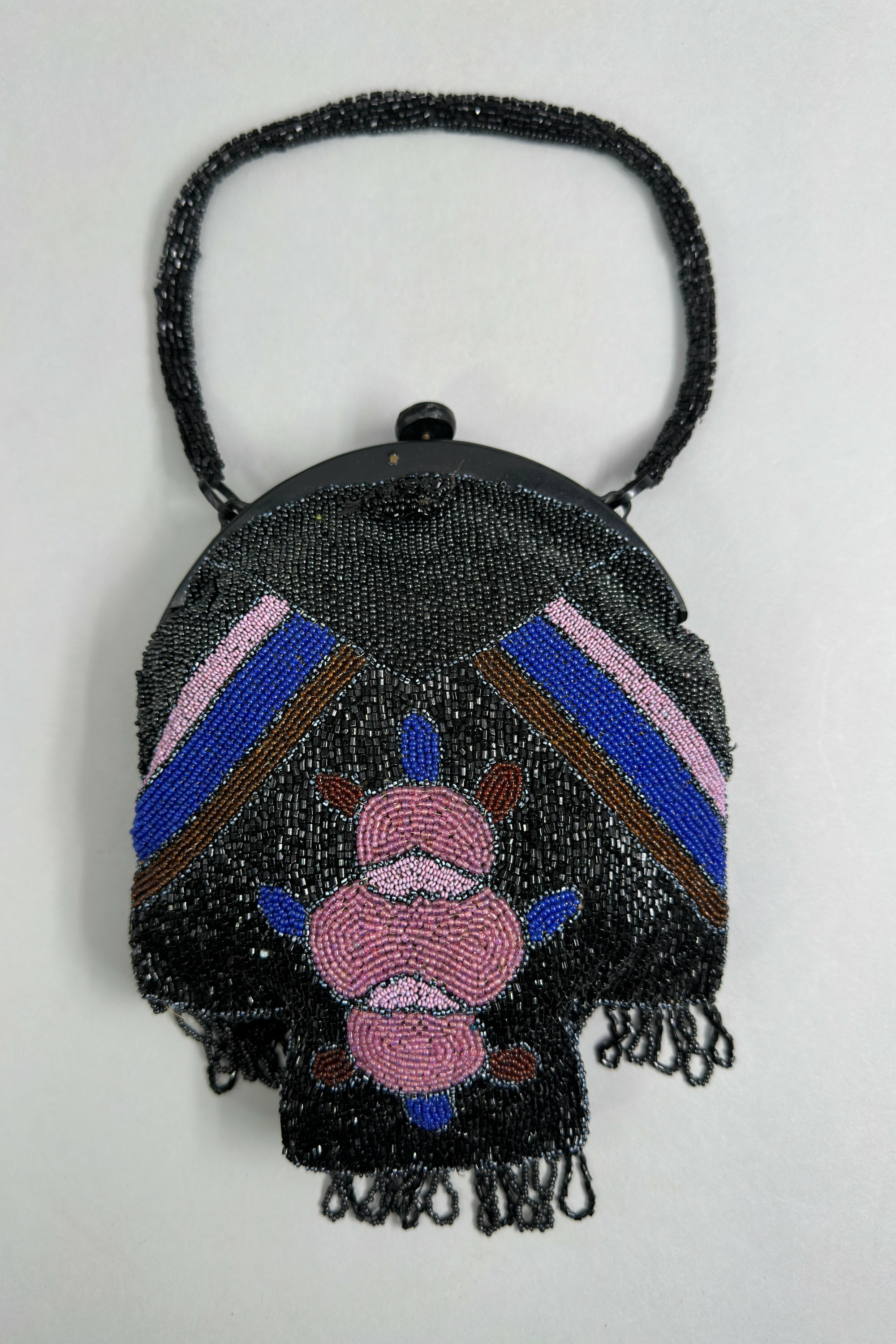
Art Deco beaded bag with celluloid frame
Price: £25
Art Deco Style Bagley Glass Vase with fin type handles 1930s
Price: £45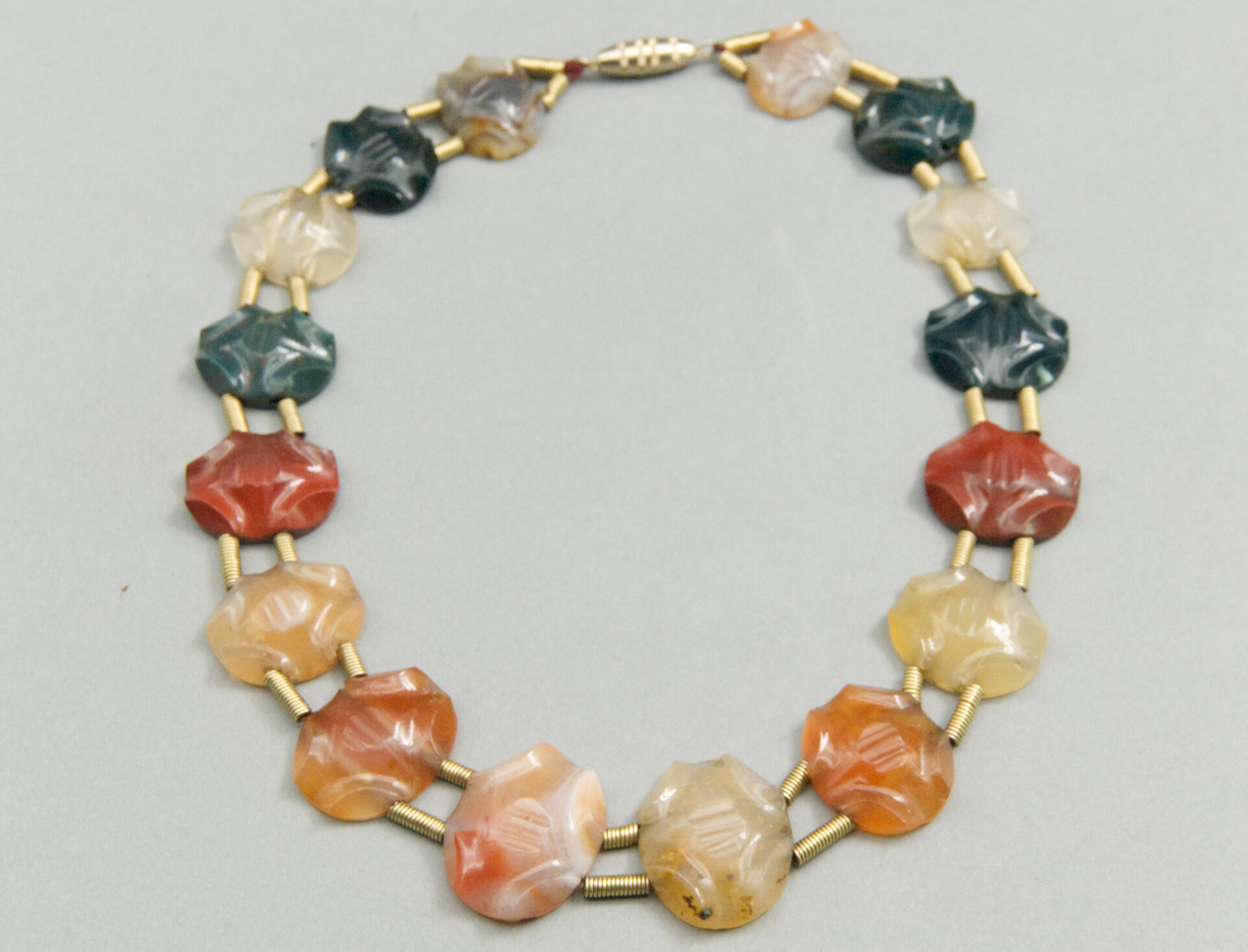
Art Deco Scottish agate necklace, 1920s
Price: £125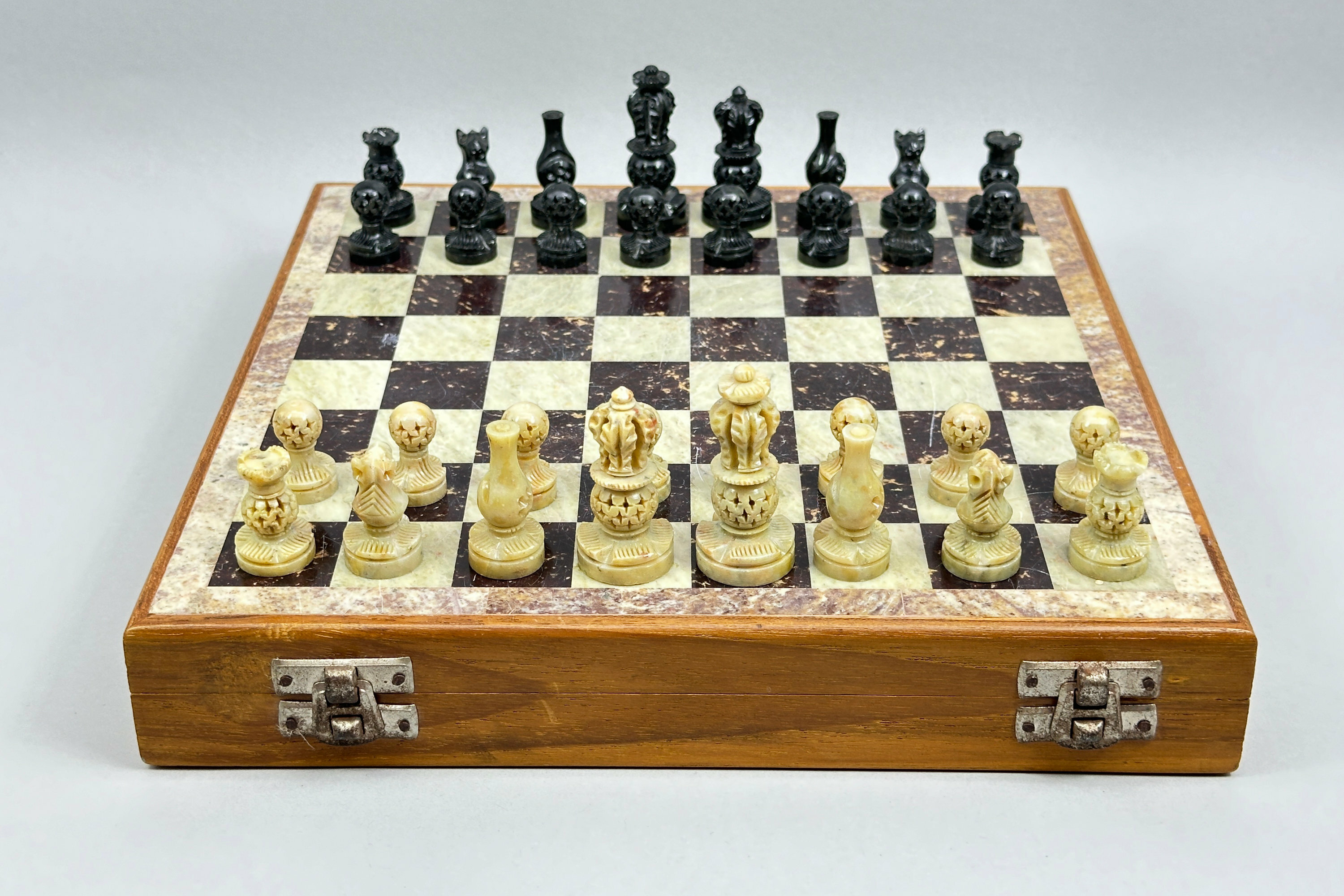
Art Deco onyx Chess Set with board and fitted box, 1930s
Price: £110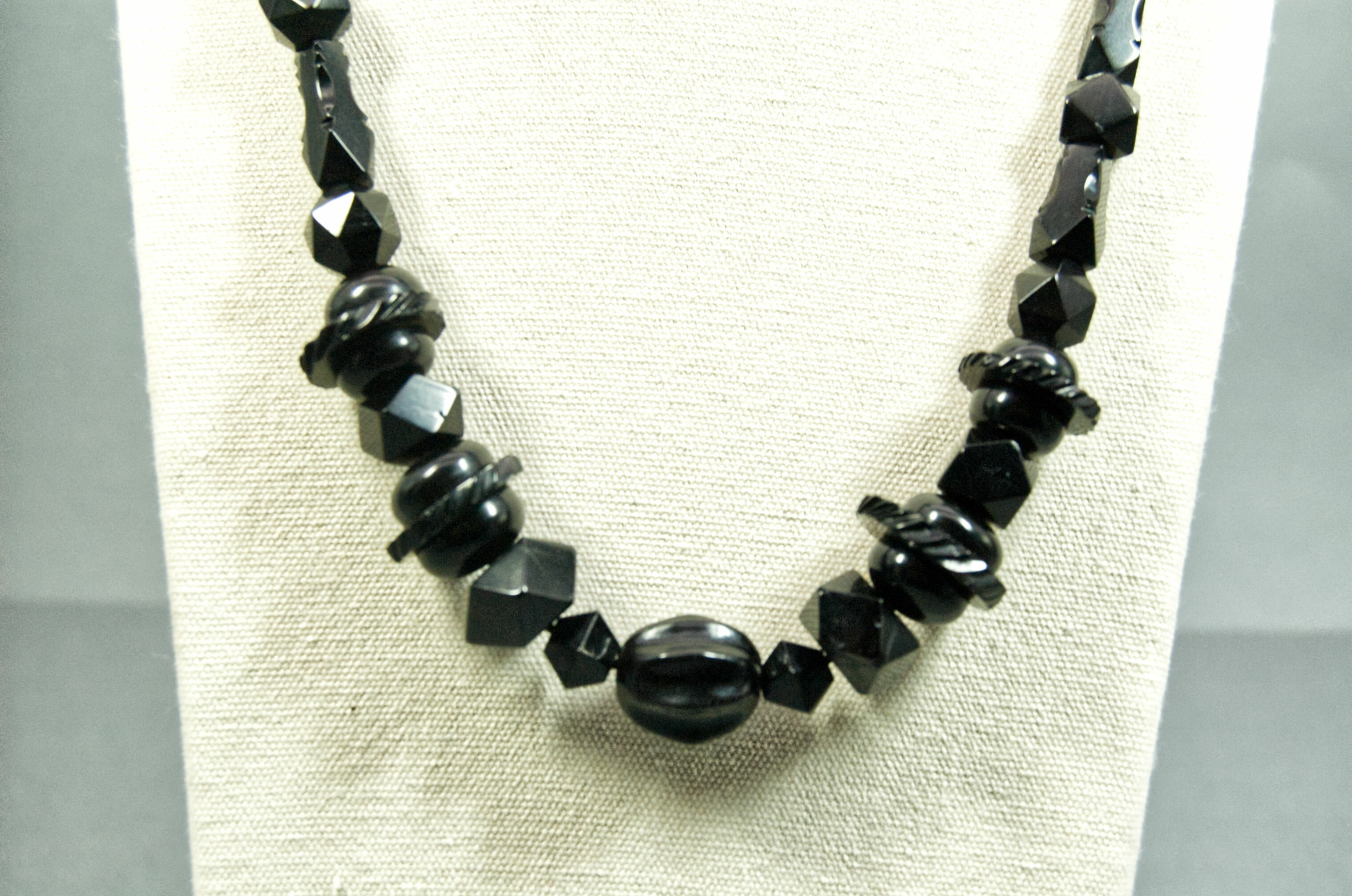
Art Deco Whitby Jet Necklace
Price: £50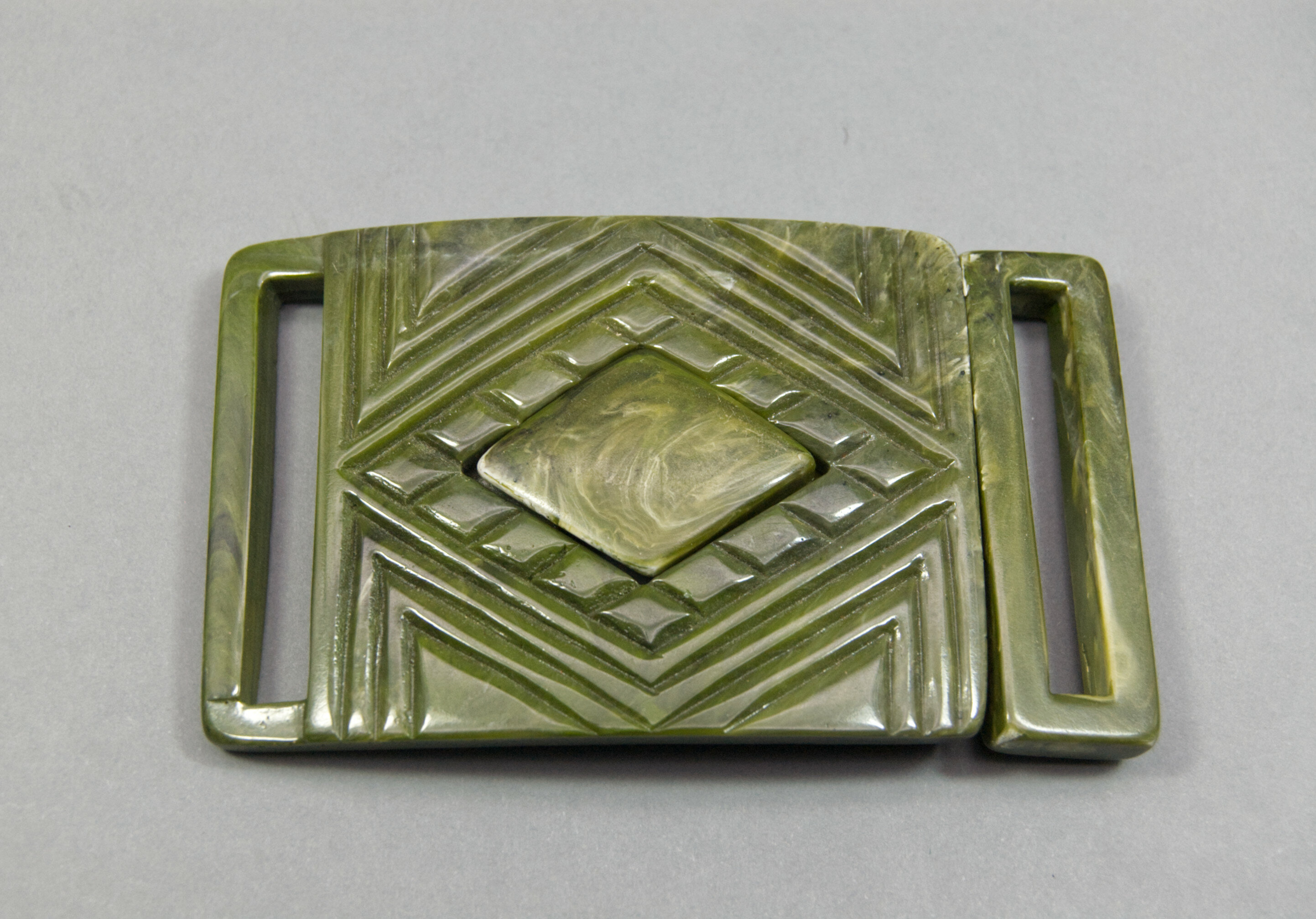
Large Art Deco green Bakelite Buckle with a label for Harlem Adler, American 1930s
Price: £35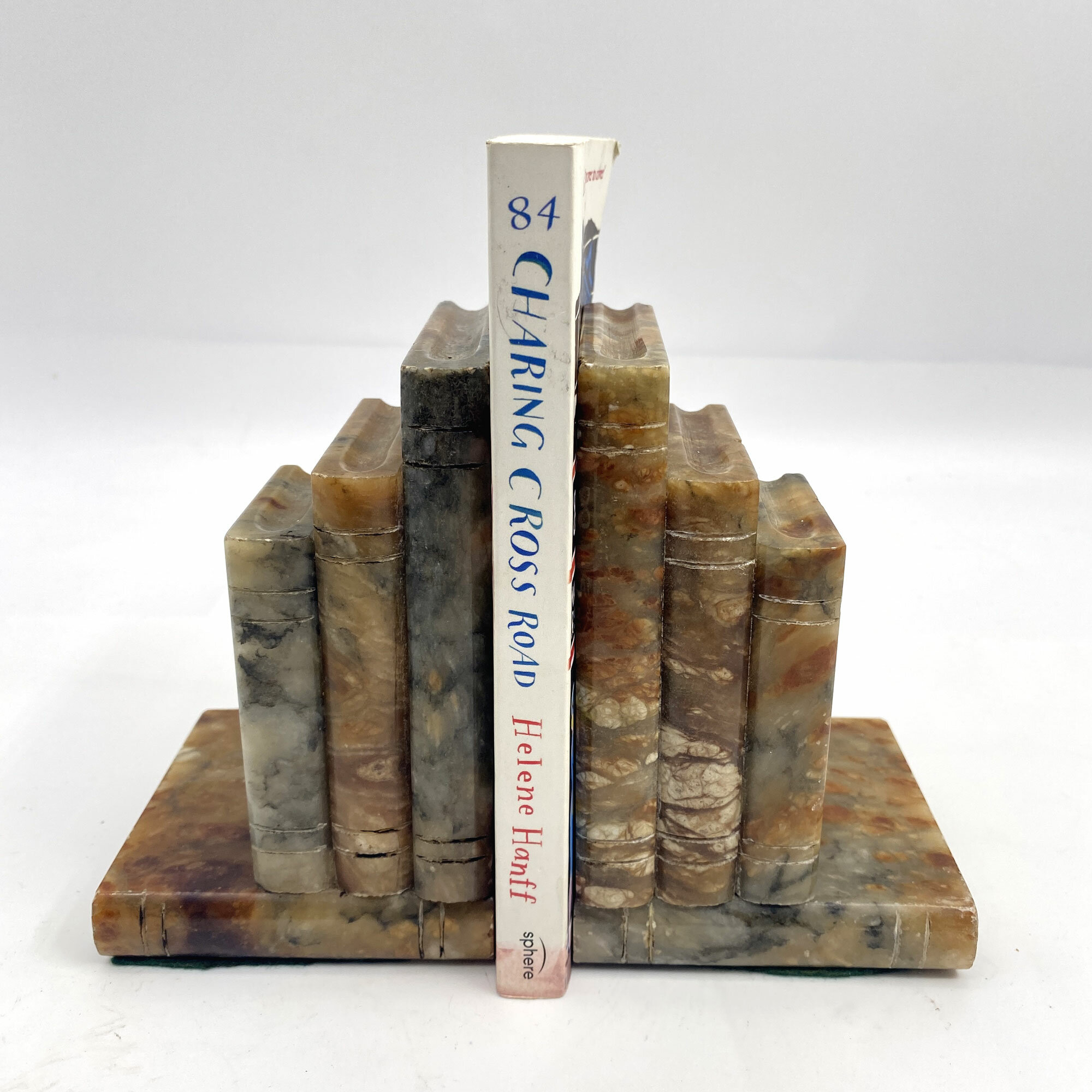
Pair of Italian Art Deco style alabaster Bookends in the shape of books, first half C20th
Price: £75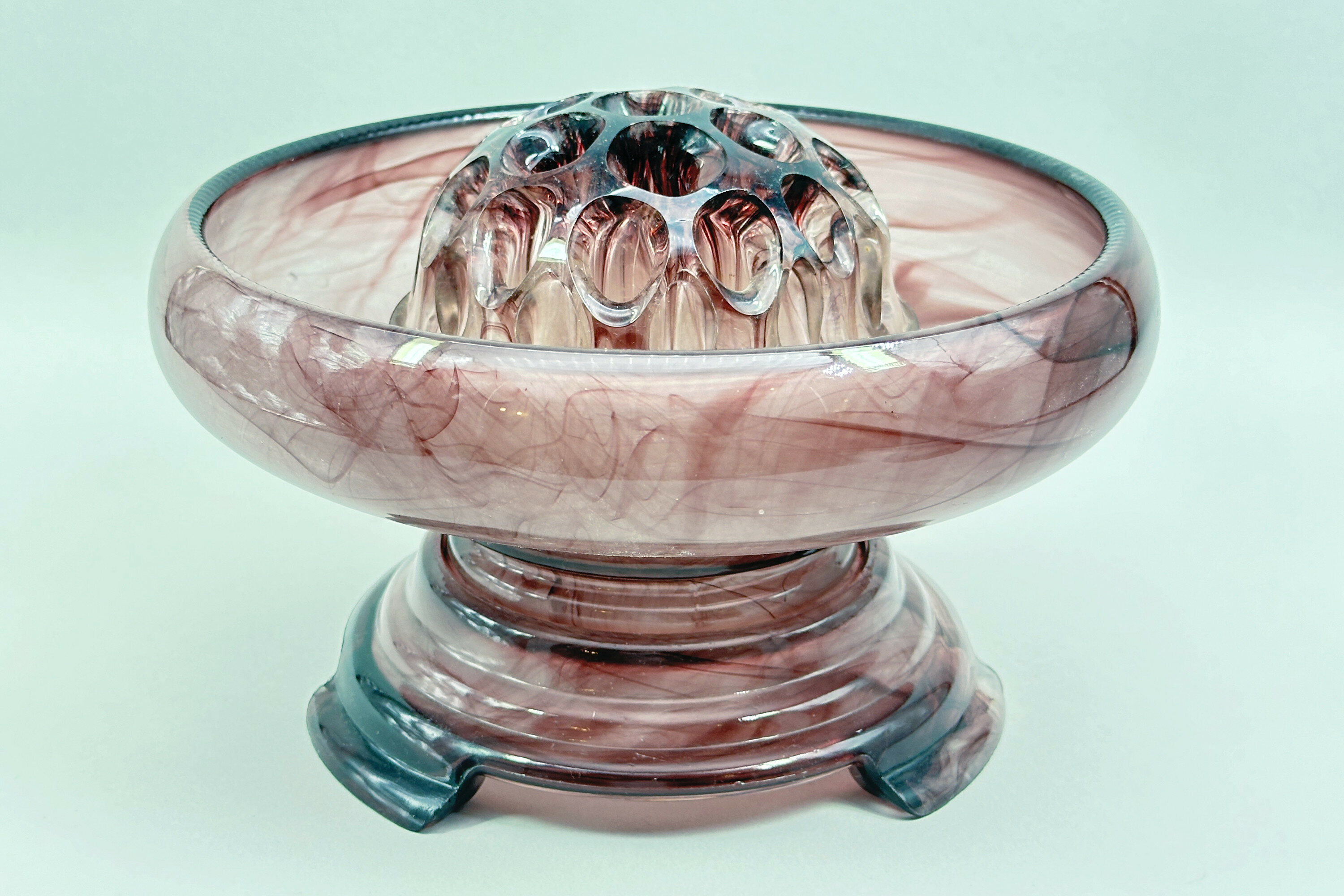
Art Deco Davidson purple cloud glass bowl, stand and frog, 1930s
Price: £55This model can be seen in the firm's catalogue for 1931 where the bowl and stand are combined with a separate pierced flower holder in the same style. No doubt the size of the ‘frog’ was up to the purchaser who could choose from a range of dimensions which probably explains the slightly different proportions here to the catalogue image which otherwise illustrates our example extremely well, even down to the milled edging to the rim of the bowl. With its archetypal shape and colouring this piece would be an excellent addition to any Art Deco collection as well as providing a striking and decorative item for a contemporary interior.
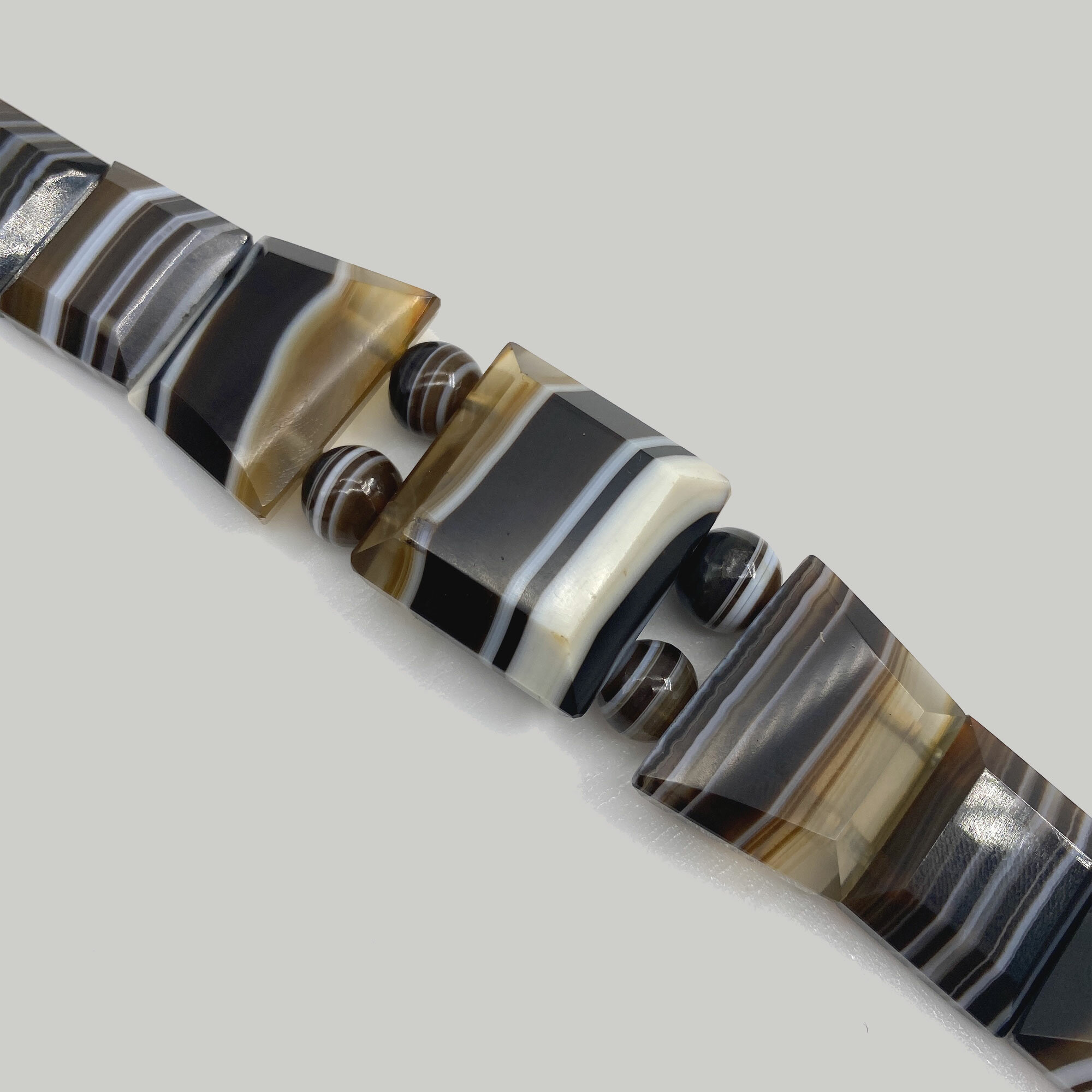
Art Deco Scottish agate panel bracelet, 1930s
Price: £95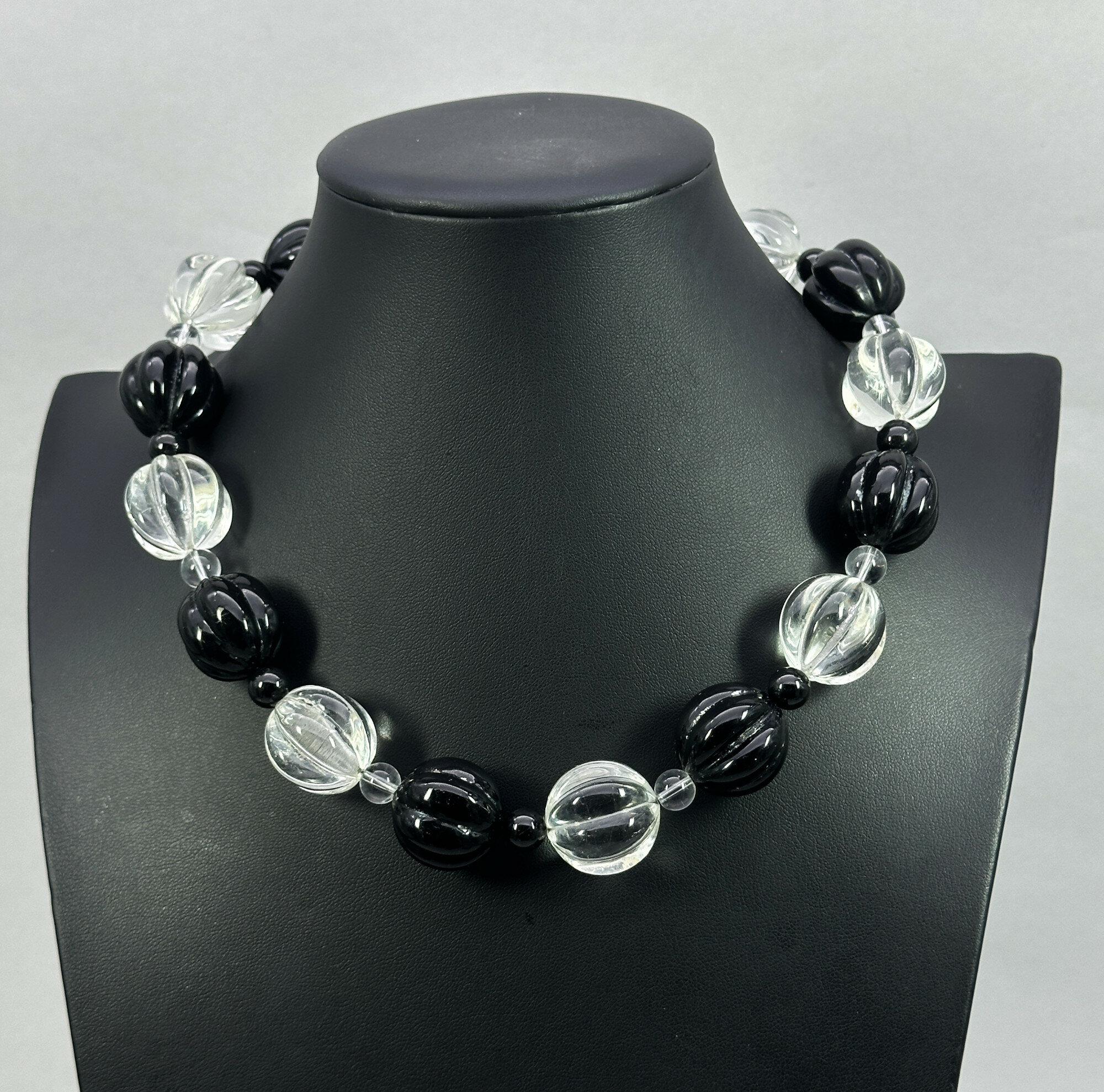
Stunning Art Deco onyx and rock crystal necklace
Price: £250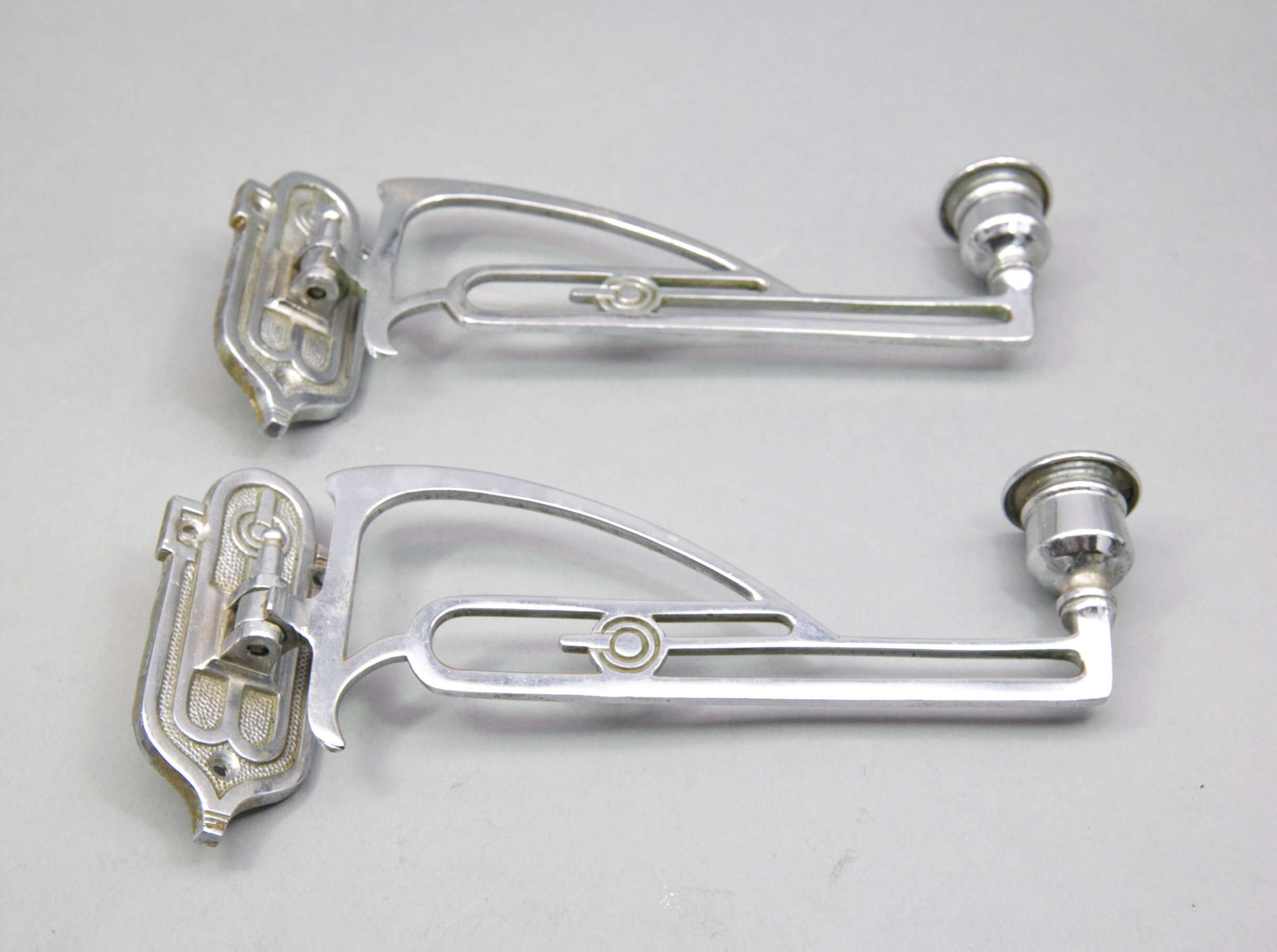
Pair of Art Deco chrome wall sconces
Price: £75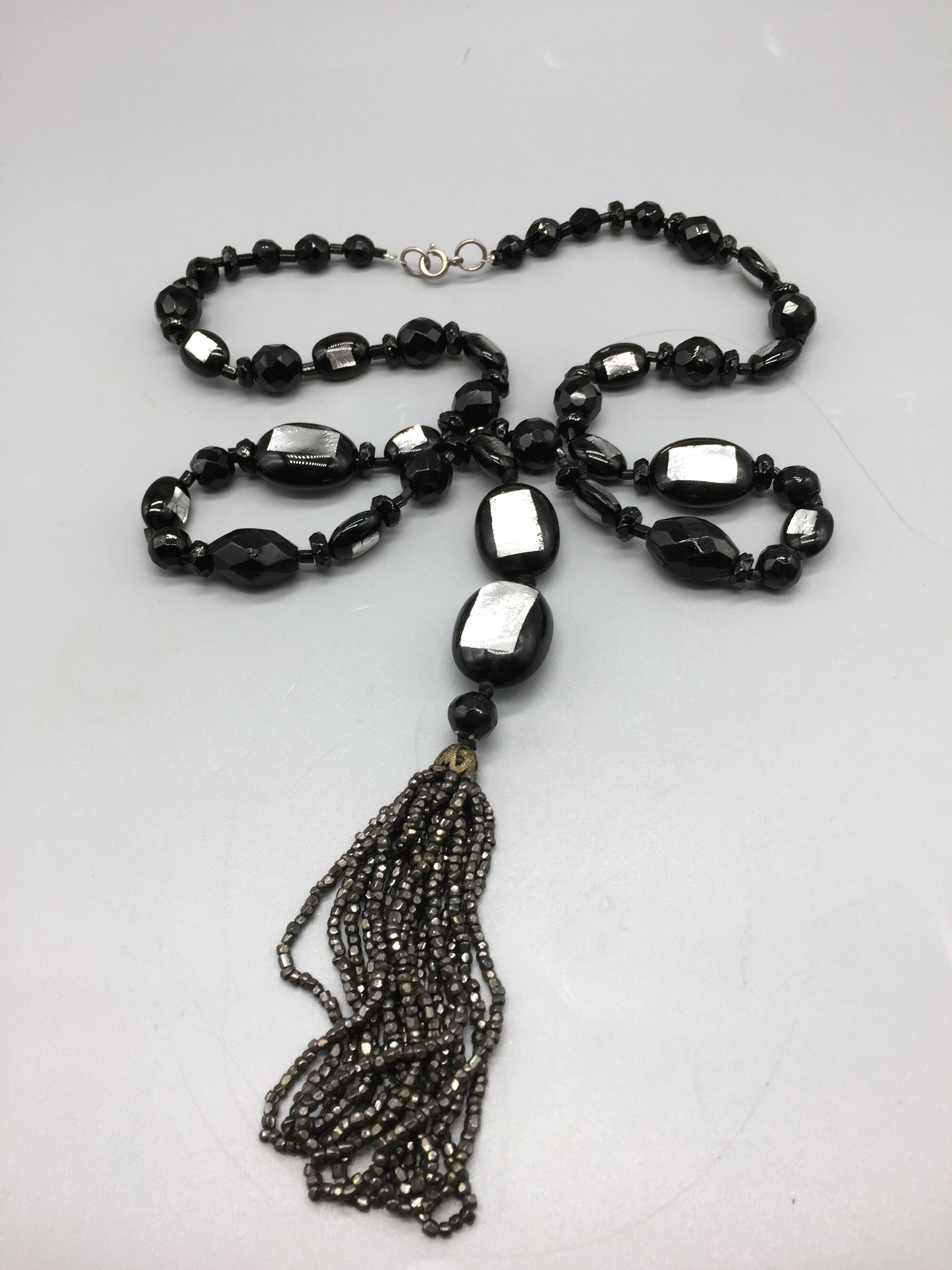
Stunning Art Deco Murano glass necklace
Price: £45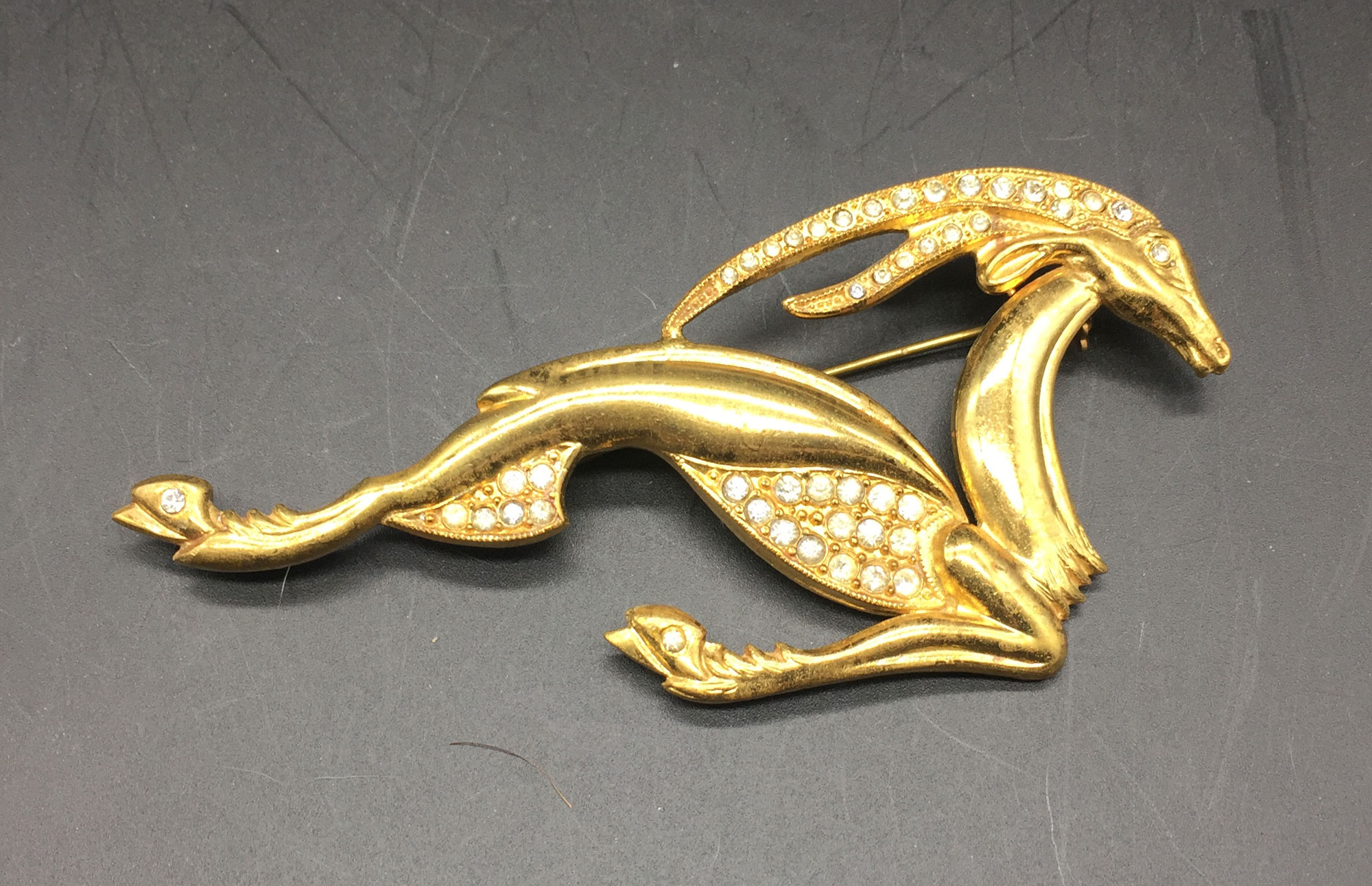
Art Deco style Antelope brooch 1940s
Price: £20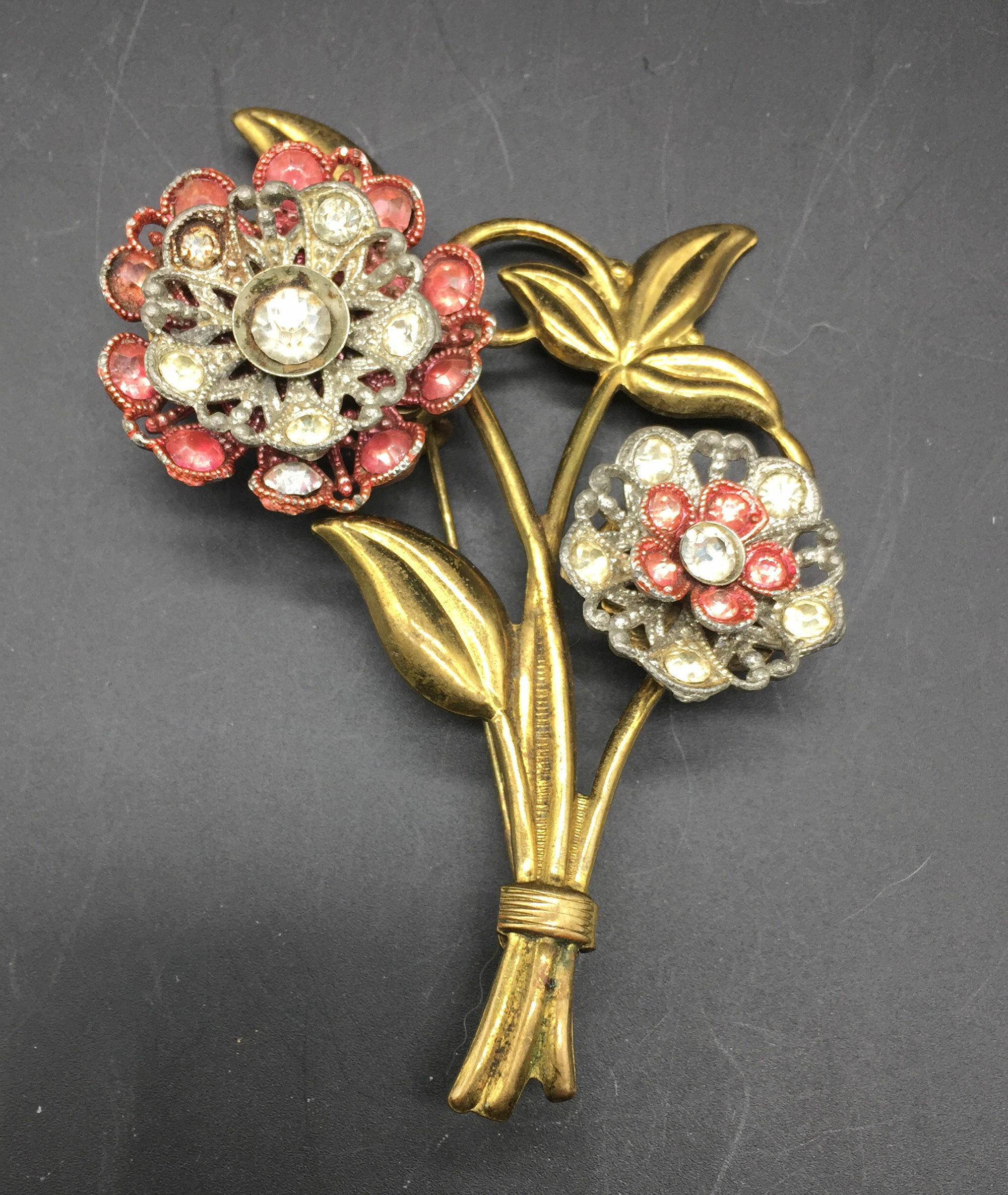
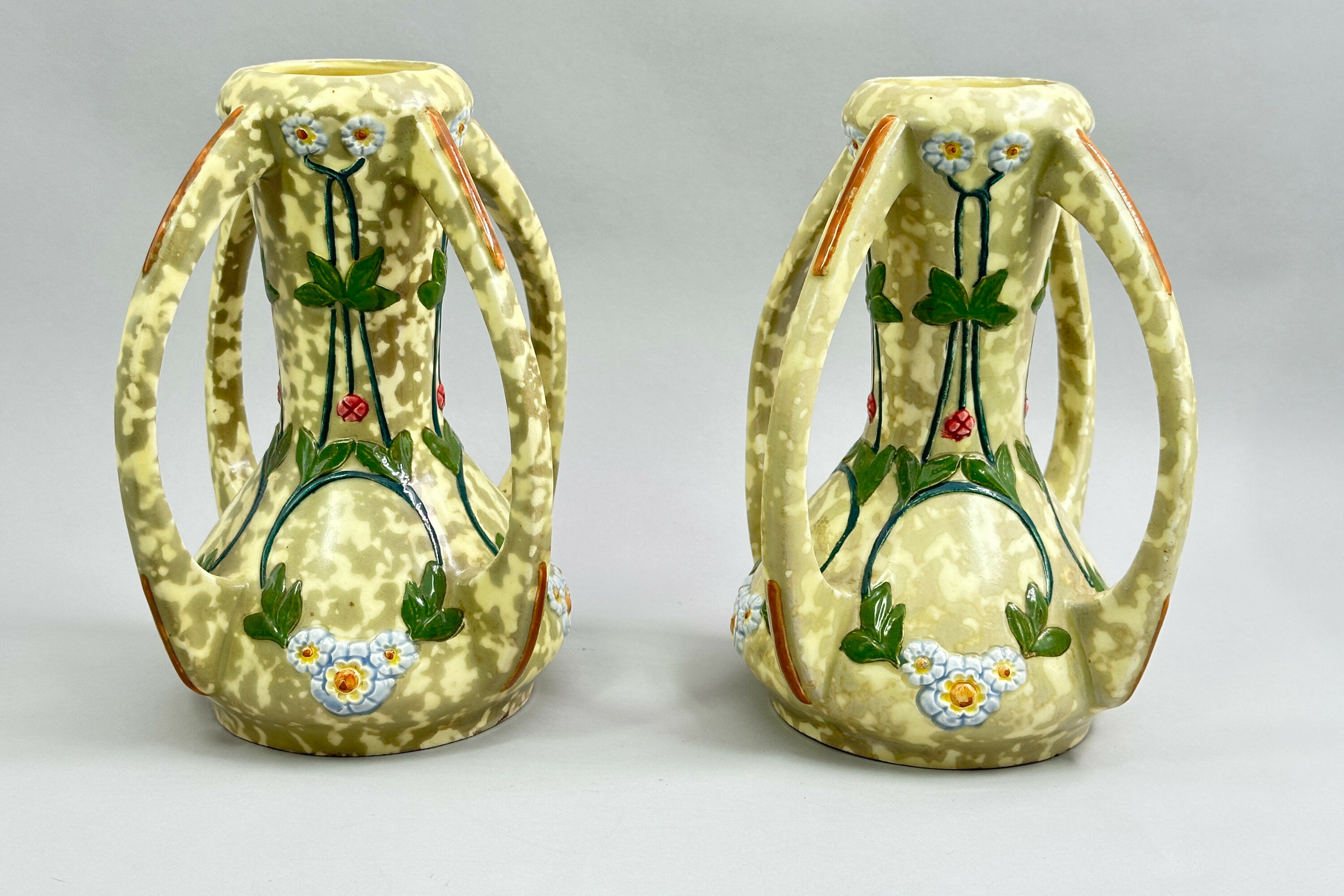
Pair of Royal Dux Secessionist Style Vases, 1930s
Price: £250
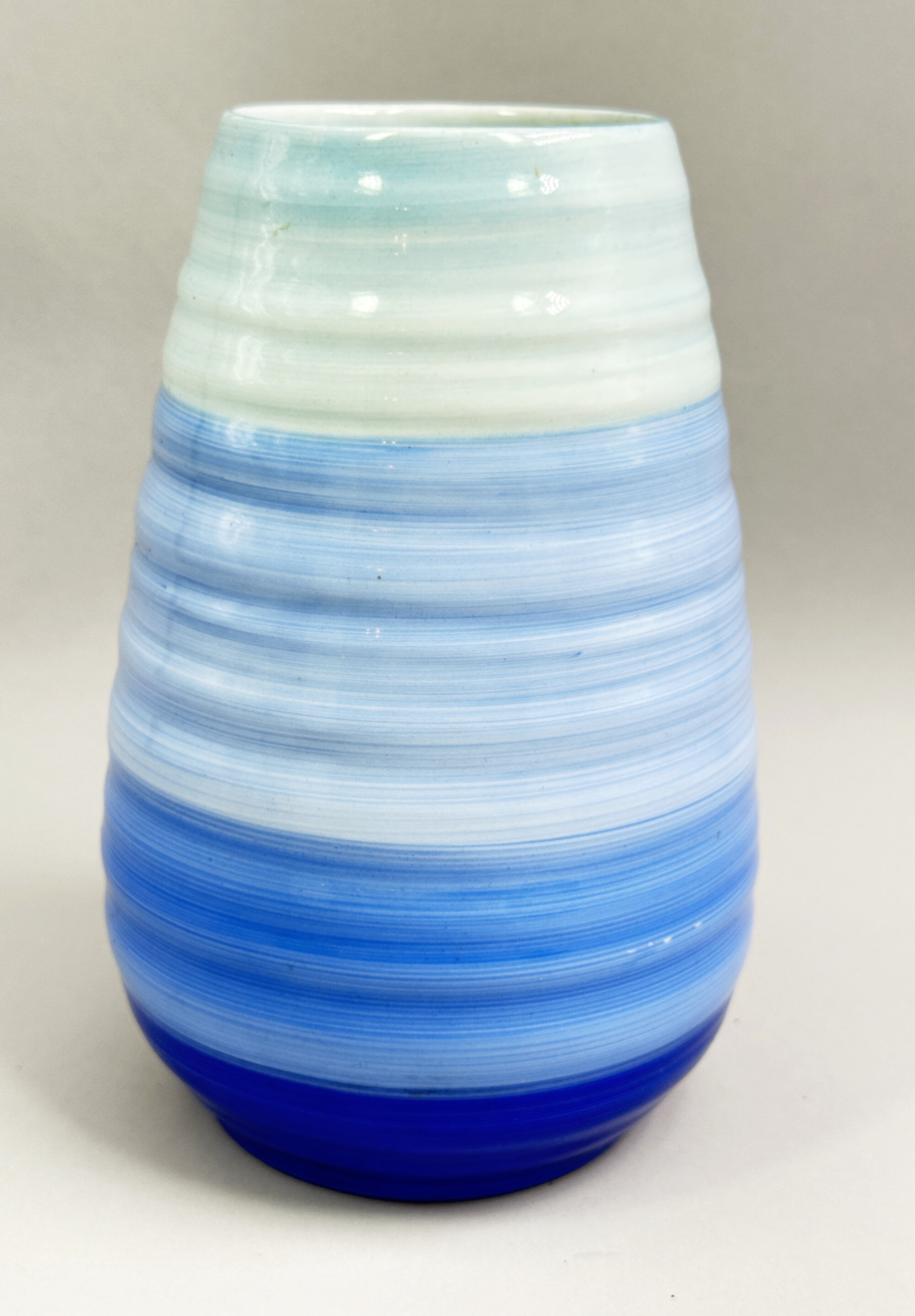
Shelley Harmony Ware Vase glazed in blue, 1930s
Price: £45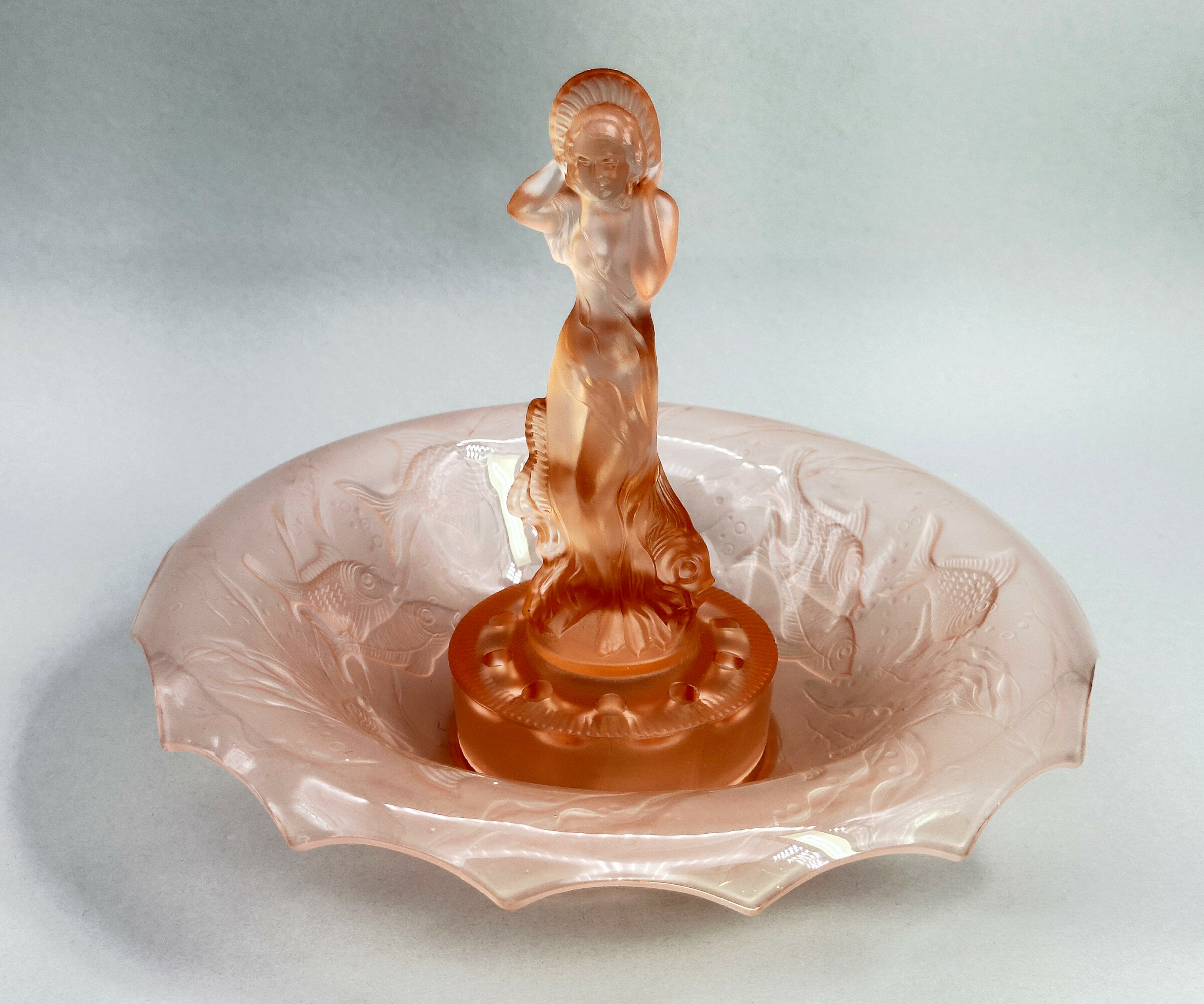
Pink Glass Centrepiece Set, Arabella, Walter and Sohne, 1930s
Price: £55The influence of Art Deco style of this piece is clear and it does indeed date to the 1930s. The model, termed ‘Arabella’ can apparently be seen in the 1934 catalogue of the German glass manufacturers Walther and Sohne, founded by August Walther in 1888 at Ottendorf-Akrilla near Dresden. In the 1930s the firm was famous for its Art Deco designs and also produced a version of ‘cloud glass’ which at one time was held to be exclusive to the English manufacturer Davidson. But some of the English glass makers also drew on their German rival’s work such that Walther and Sohne patented some of their designs in the UK in 1937, presumably to protect their work. This centrepiece set is a classic example of Walther and Sohne’s pre war productions and a distinctive example of Art Deco glassware.
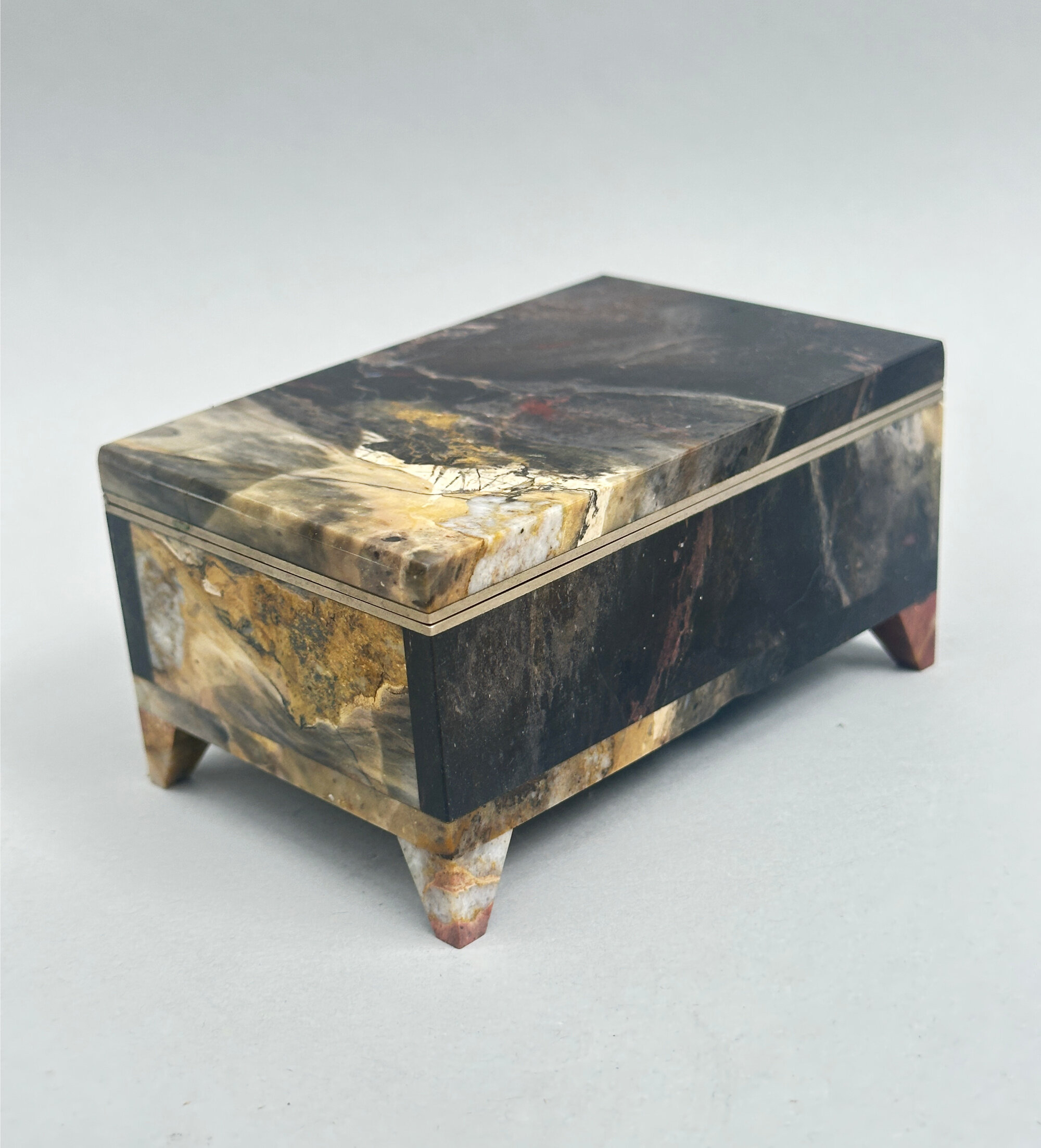
Rectangular Box and Cover, Basanite Jasper, C20th
Price: £95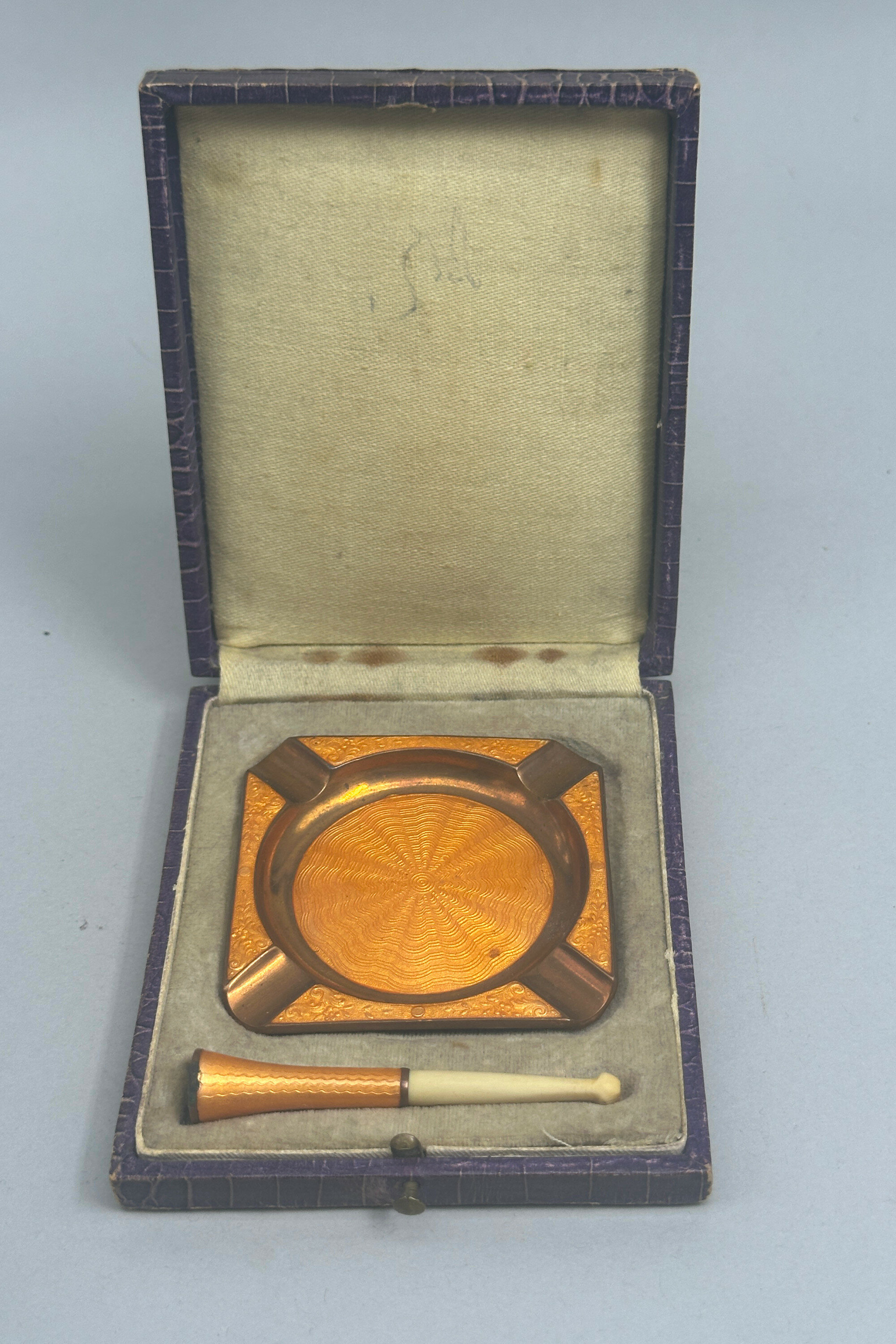
Art Deco Guilloché Copper Ash Tray and matching Cigarette Holder, boxed, c1930
Price: £35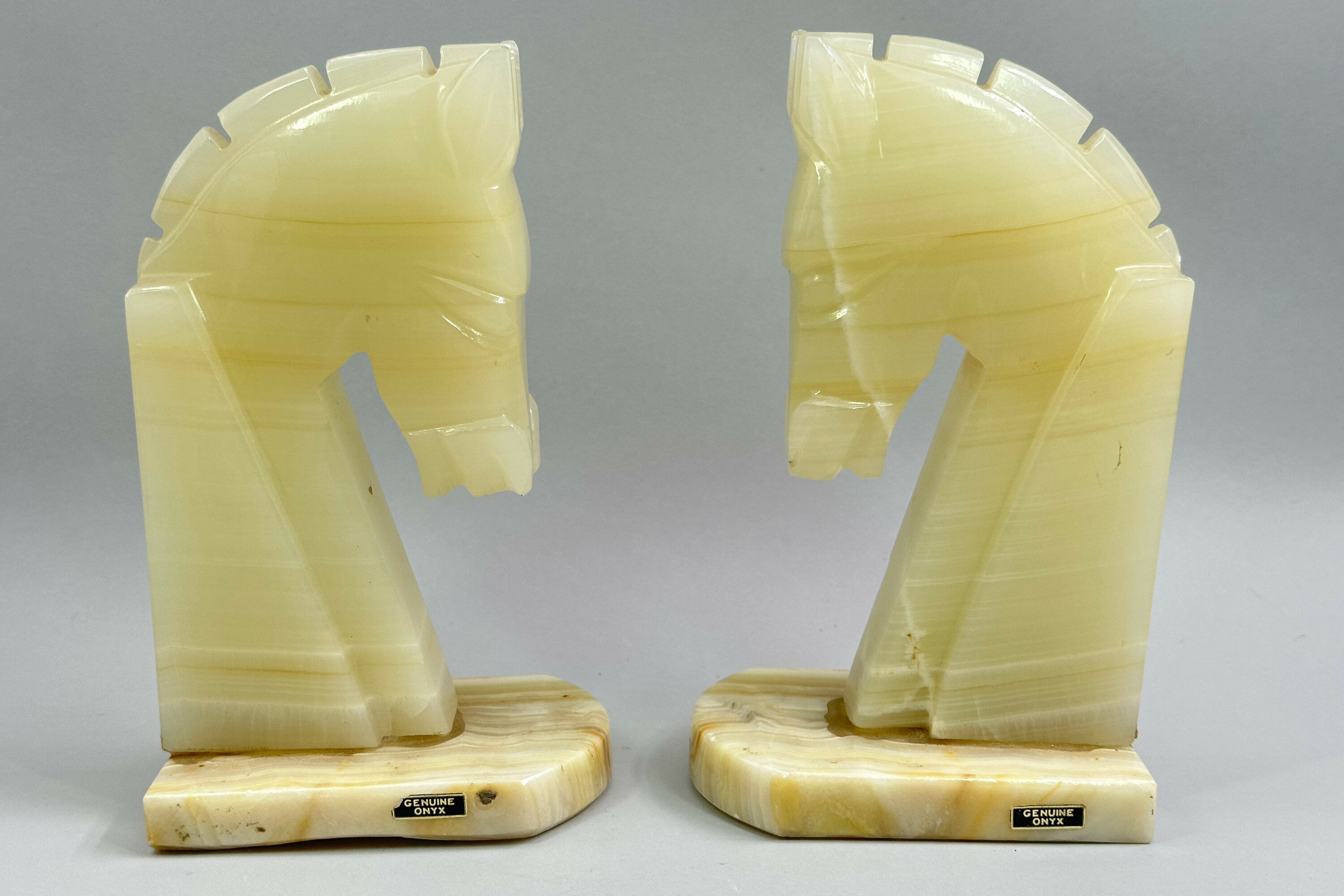
A pair of Art Deco style Onyx Bookends, C20th
Price: £35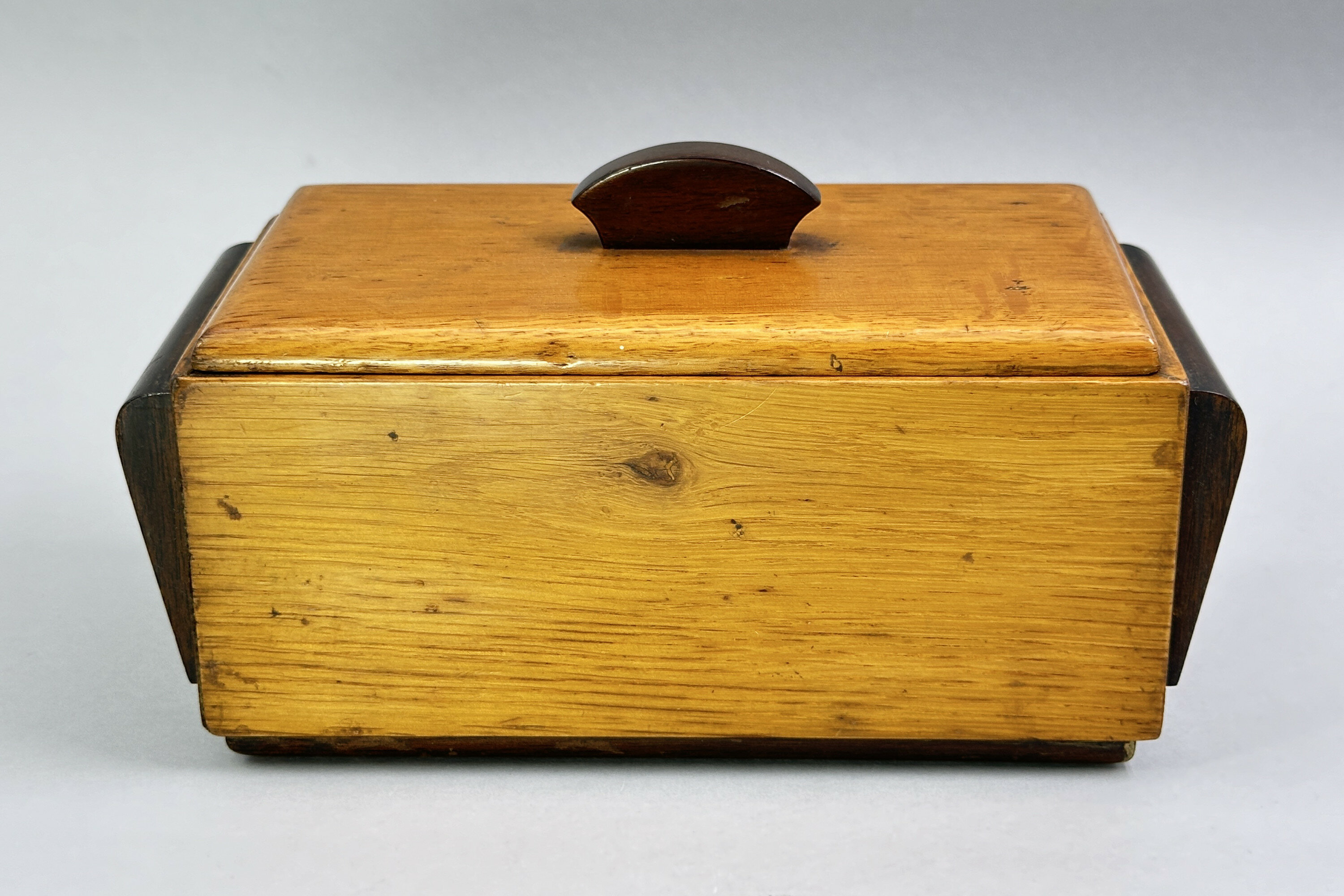
Art Deco Wooden Cigarette Box, 1930s
Price: £25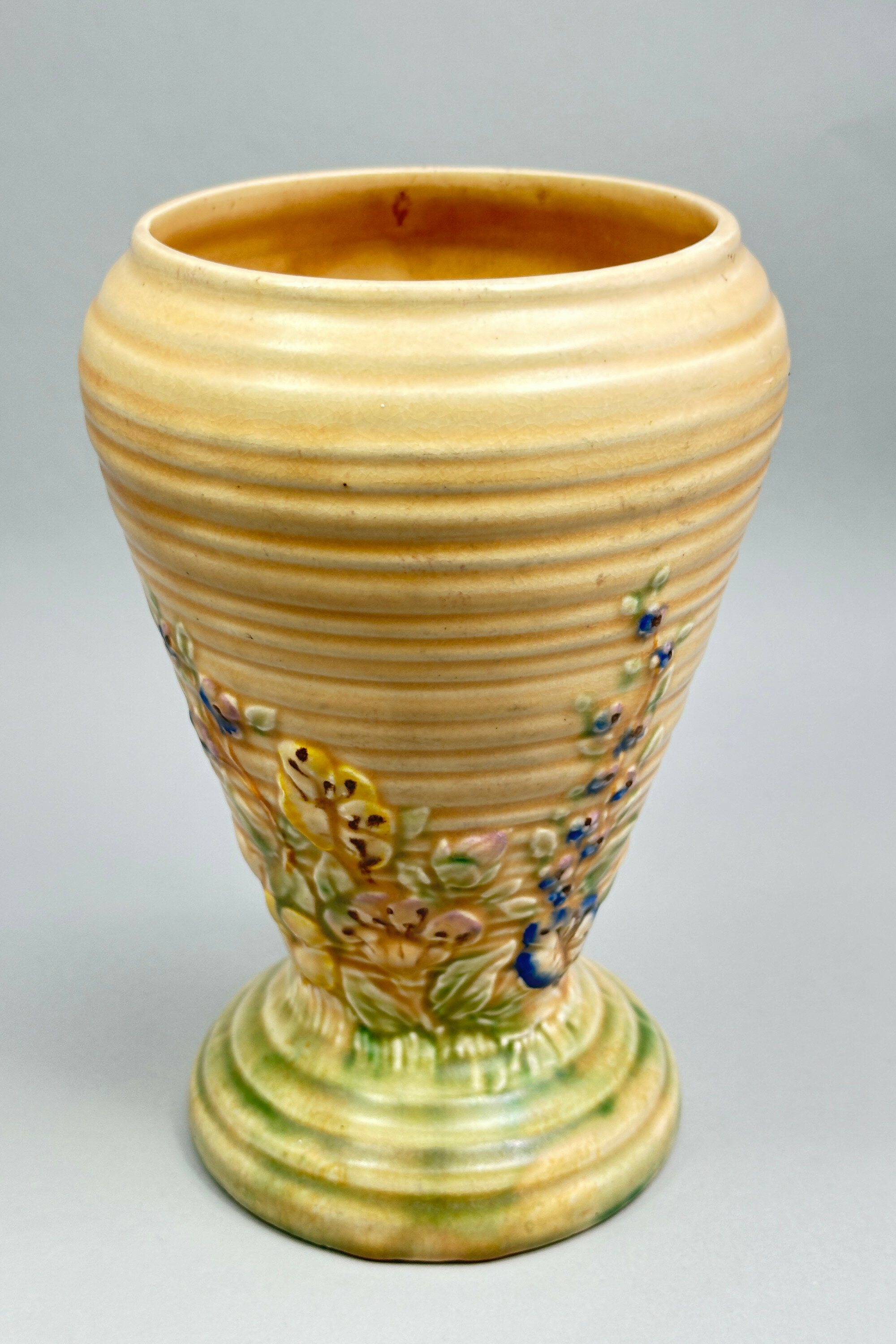
Art Deco Vase, Springtime, Price Brothers, Staffordshire, 1930s
Price: £35Price Bros was an earthenware manufacturer established at the Crown Works, Burslem, Staffordshire, England, in 1896 by the Price brothers. They specialised in tabletop accessories and teapots and success was rapid such that in 1934 they moved to larger premises at the Top Bridge Works in Longport, where they became known as Price Bros Ltd. A close association with another firm, Kensington Potteries, was finally cemented when the two firms merged in 1962 taking on the name ‘Price and Kensington’ and continuing to manufacture their popular wares to the present day. This vase is typical of the decorative pieces which Price Bros produced during the 1930s and, as with so much of the pottery produced at that time, it reflects the Art Deco styles, particularly in the semi abstract shape. This vase was mould made as can be seen from the joins at each side (see image 7) but there is nothing mechanical about the finished result with its pleasing combination of colour and decoration.
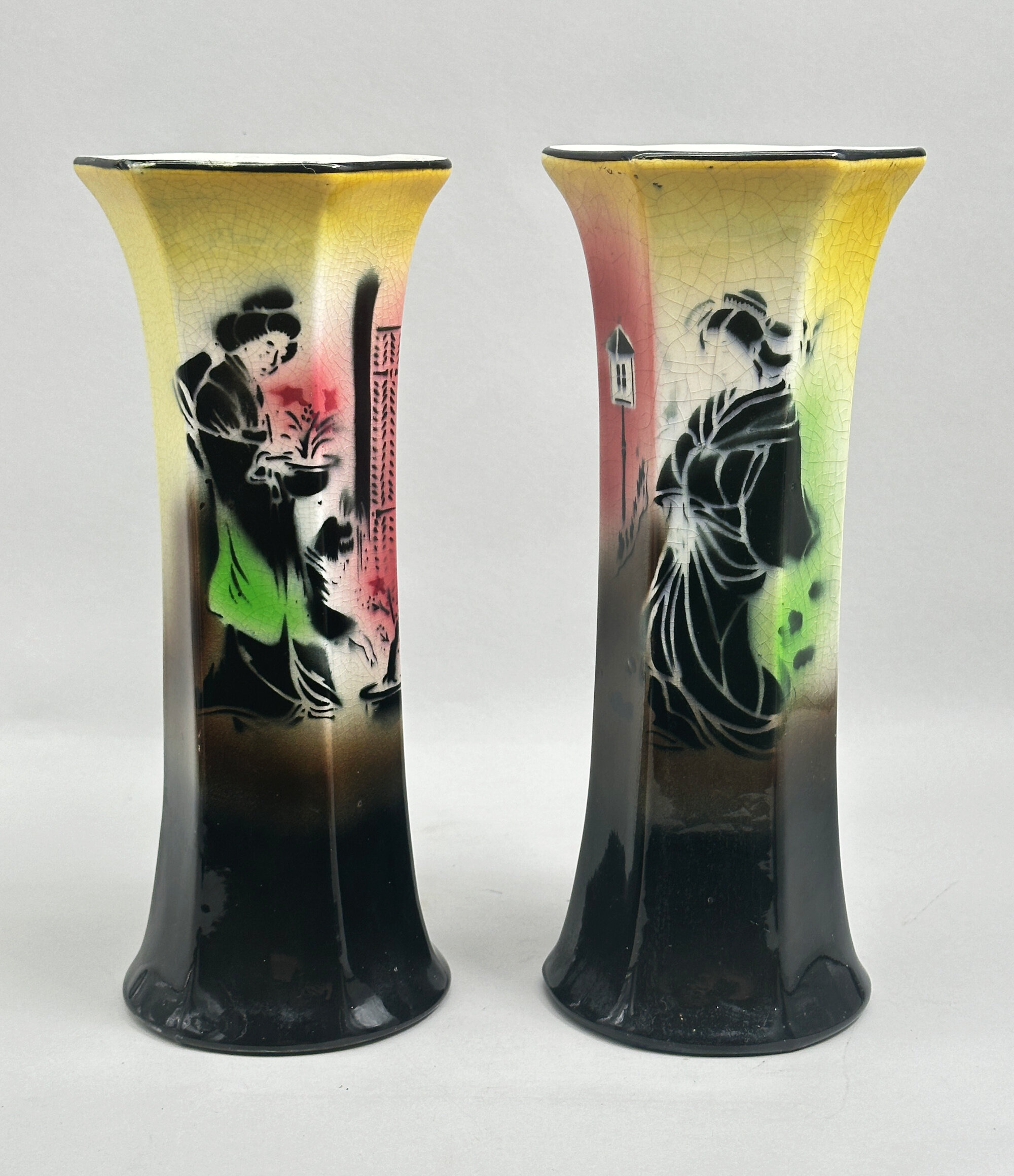
An unusual pair of Art Deco style Japonaiserie ceramic vases, probably French 1920s/1930s
Price: £75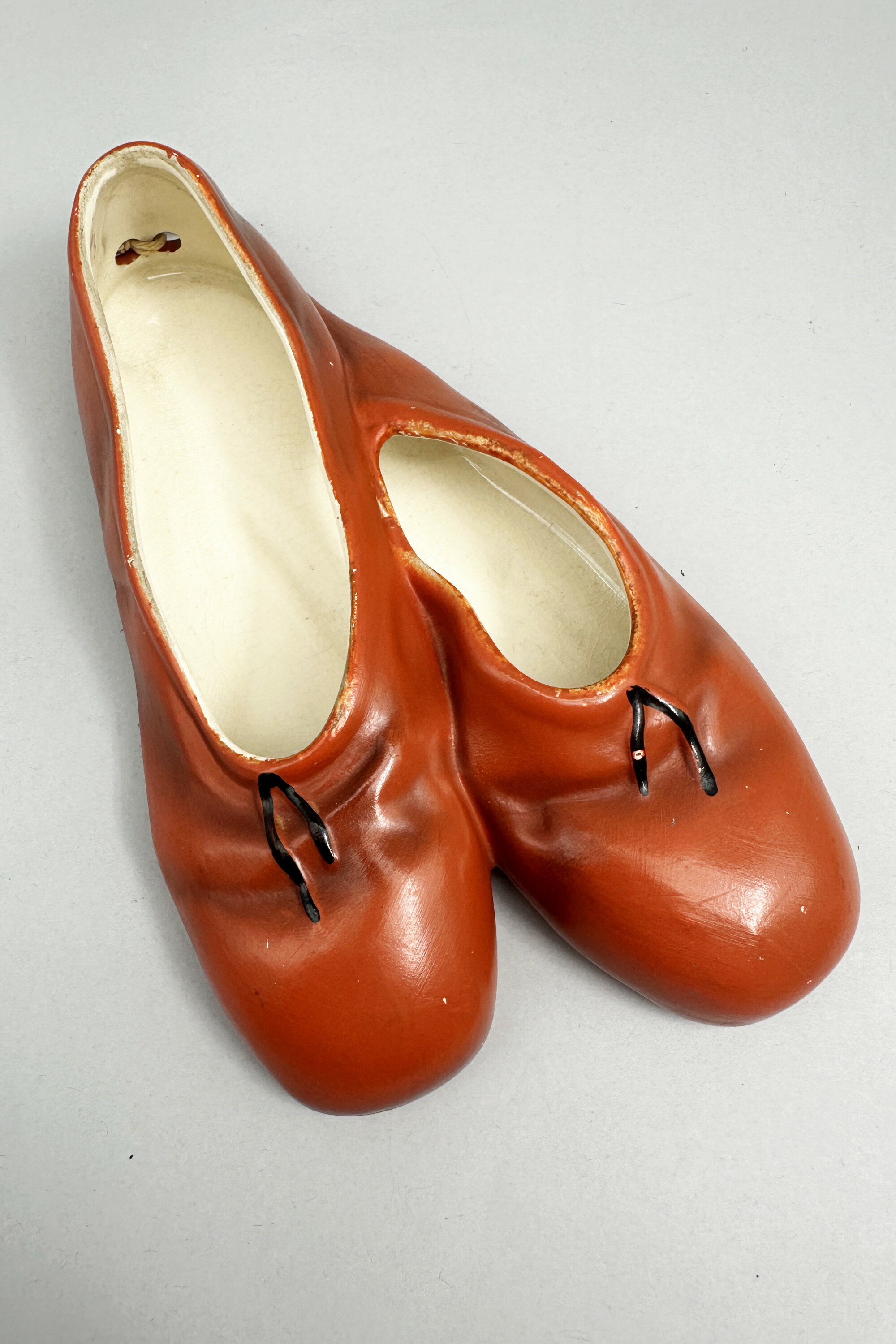
Pair of Brentleigh Ware Wall Hanging Ballet Shoes, 1930s
Price: £35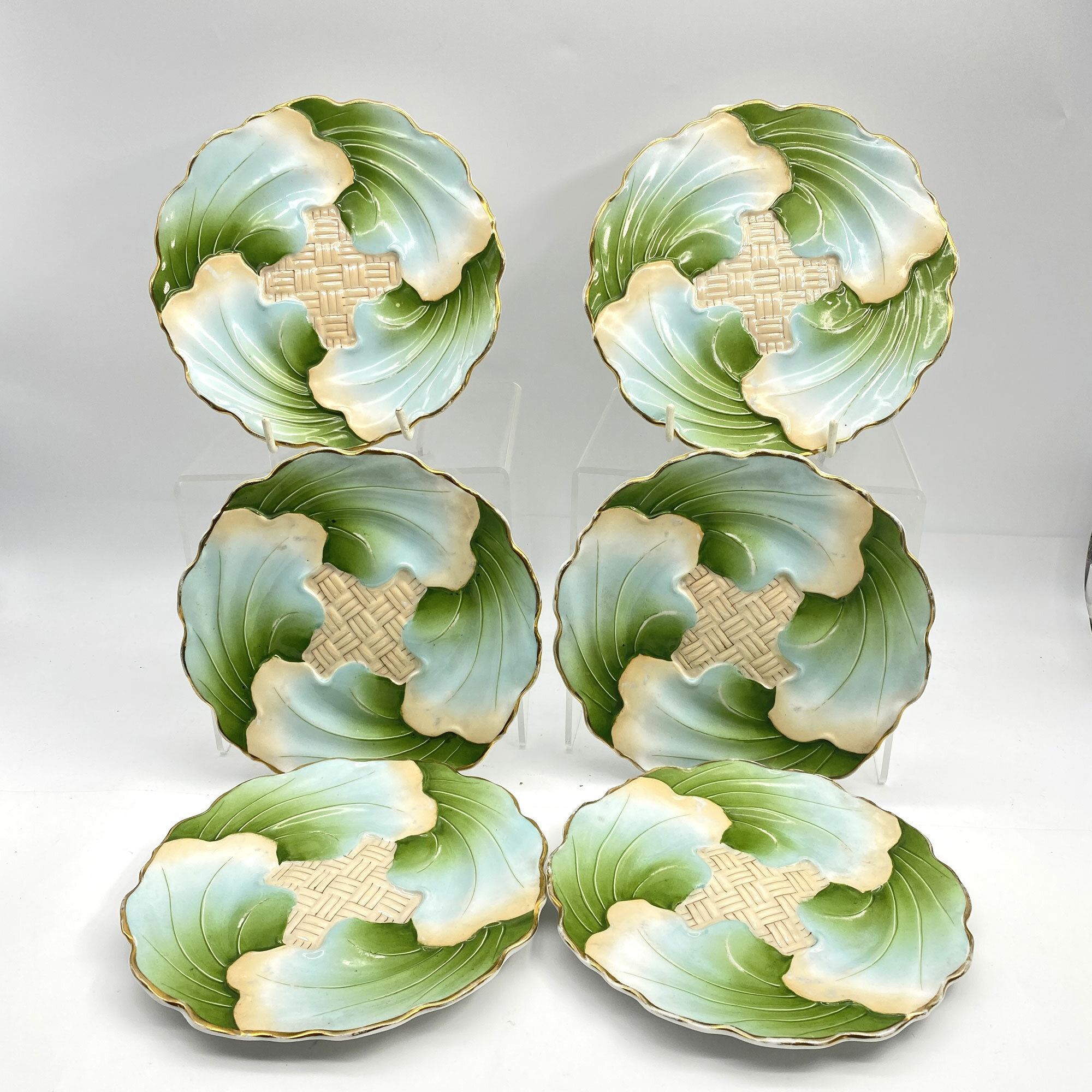
Set of 6 small Art Deco style plates by C.T. Altwasser, Silesia, 1920s/1930s
Price: £75
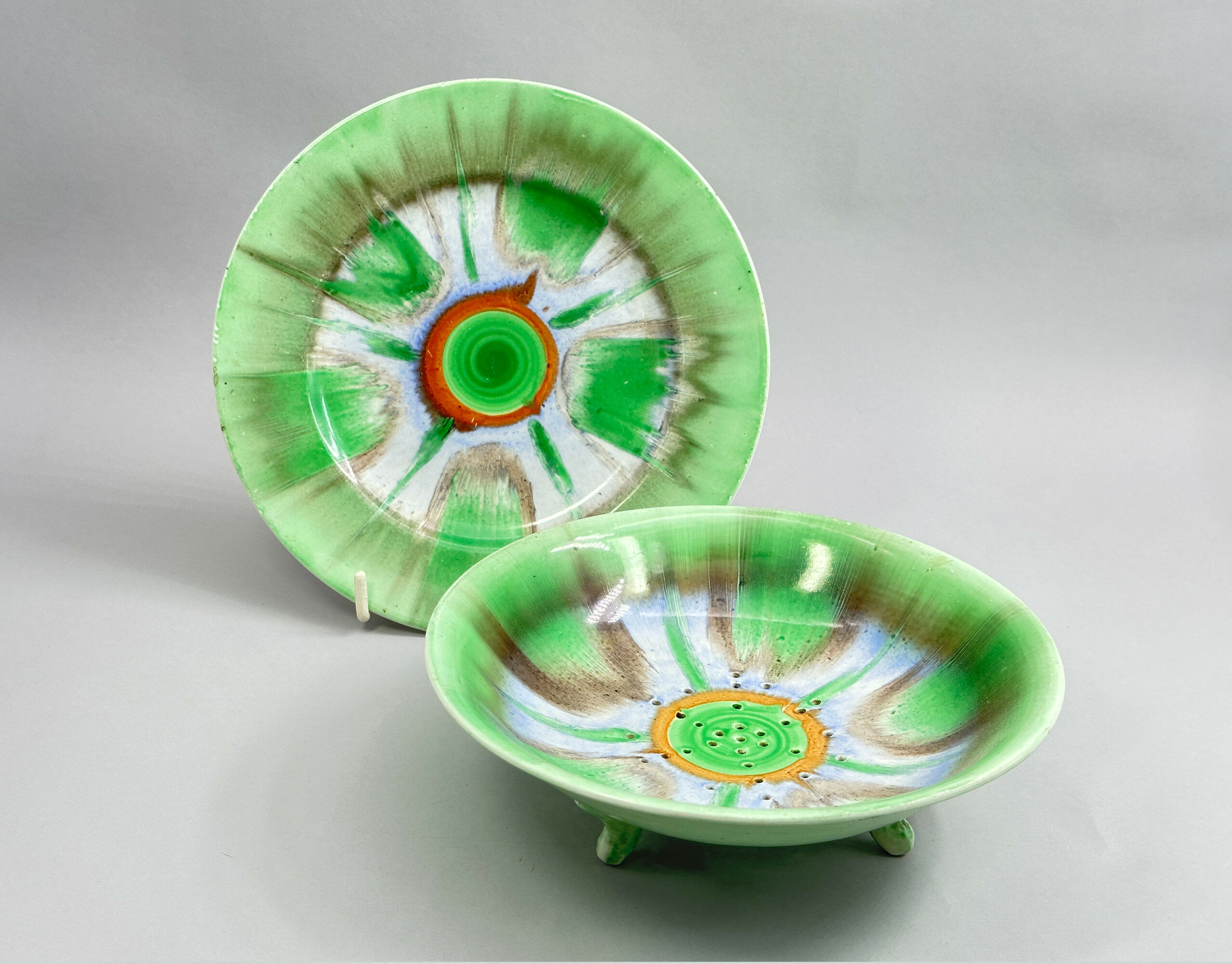
Shelley Harmony Ware Drip Glaze Watercress Bowl and Stand, 1930s
Price: £35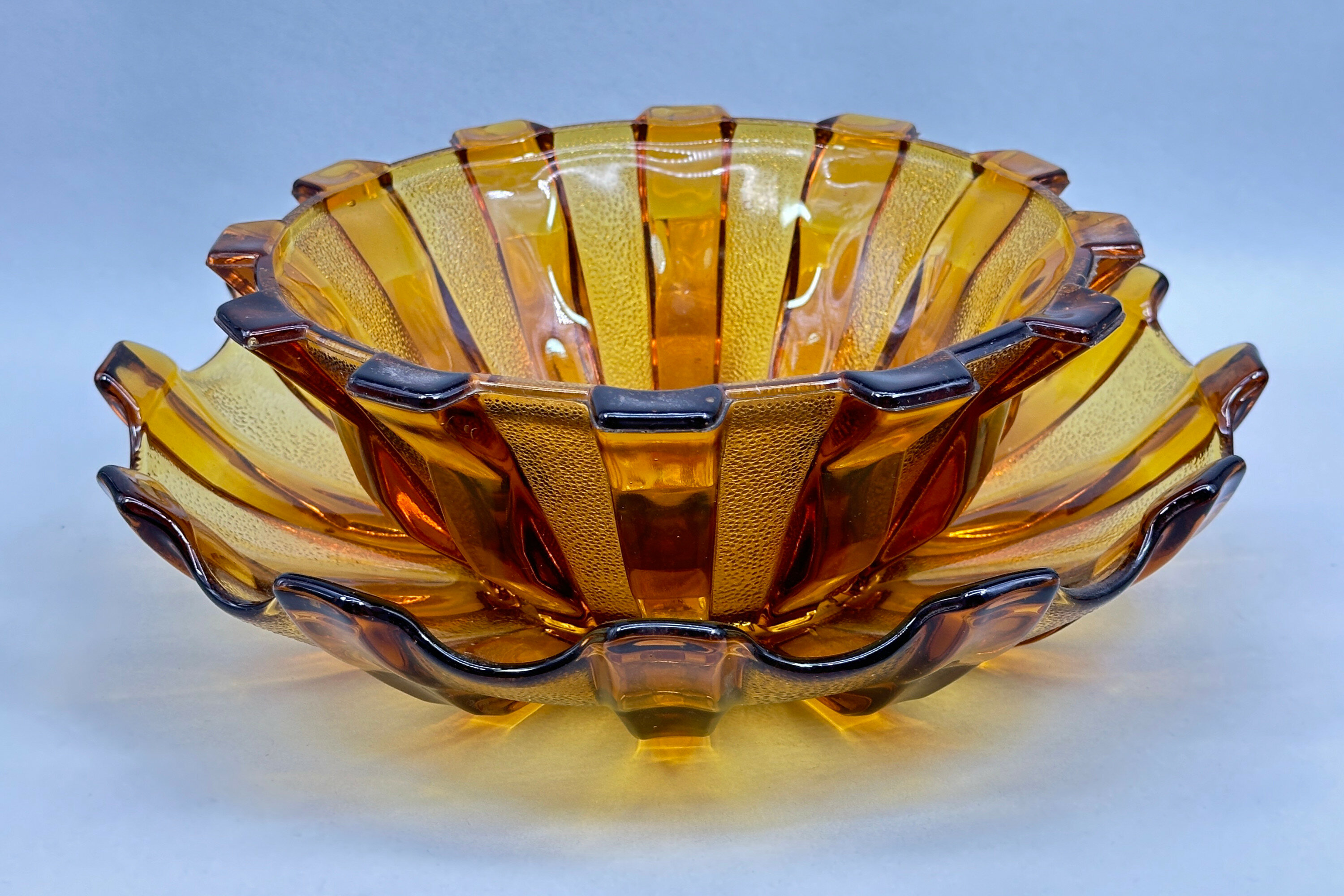
Amber Glass Bowl and stand, Stölzle Hermanova Hut factory, Czech 1930s
Price: £55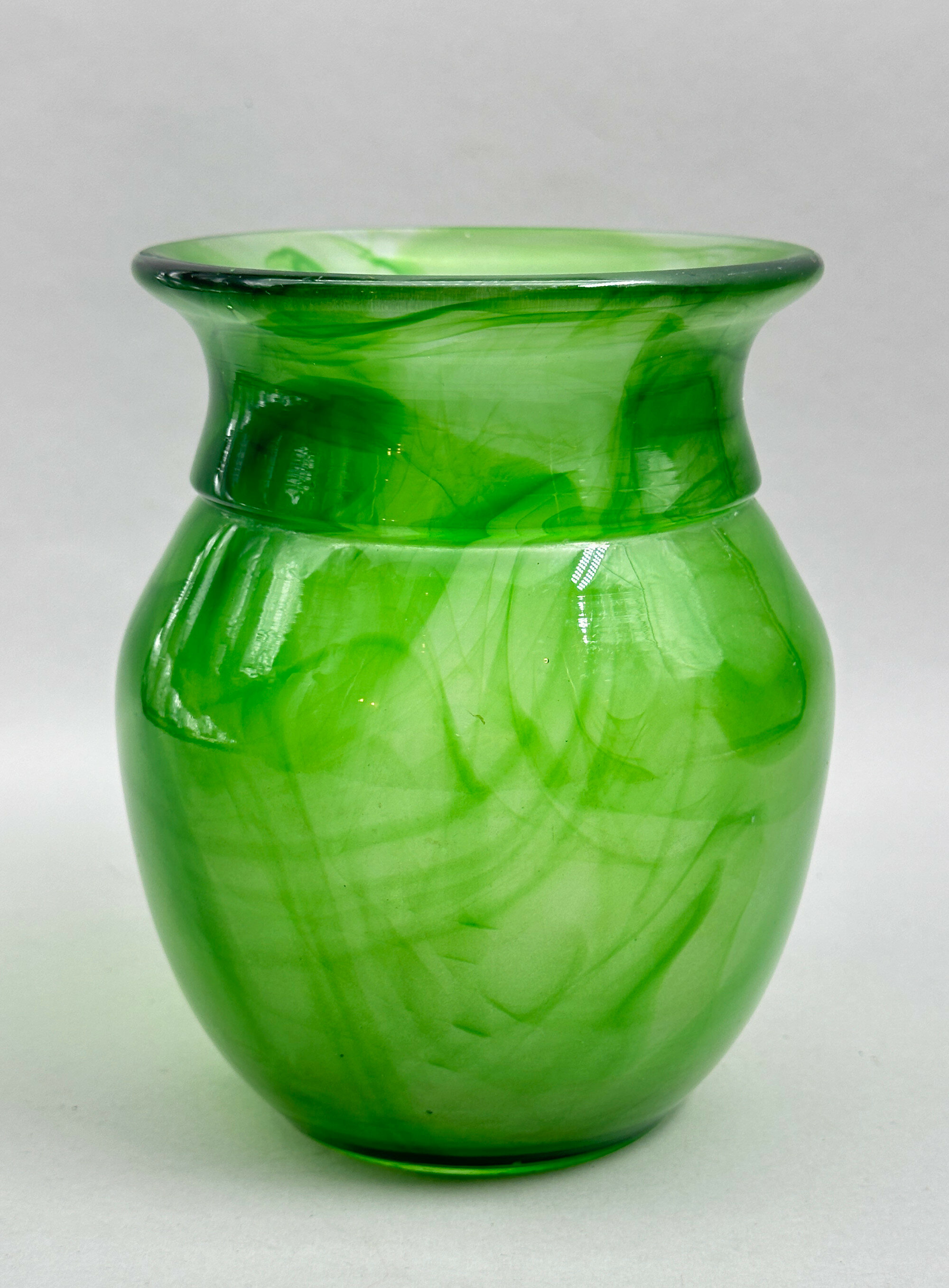
Davidson Green Cloud Glass Vase, 1930s
Price: £55George Davidson founded the Teams Flint Glass Works in 1867, which later became known as George Davidson & Co. In the 1880s the company began producing pressed glass tableware in a variety of shapes and by the 1920s their designs began to reflect the new Art Deco trends. The firm continued production until the 1980s, closing in 1987. This vase is typical of their Art Deco inspired designs although is rather less commonly found today. It has the pattern number '34 'SVF', 'S' standing for 'small', 'V' for 'vase' and 'F' for 'flared rim' and was produced from 1934 to 1942 (see www.cloudglass.com). A slightly larger version was made as well with the pattern number '34' 'VF'. The swirling effect was typical of Davidson's 'cloud glass' designs, one of its most popular ranges. In mint condition, this vase might well fill a gap in a collection of Davidson pieces or pre war British glass generally.
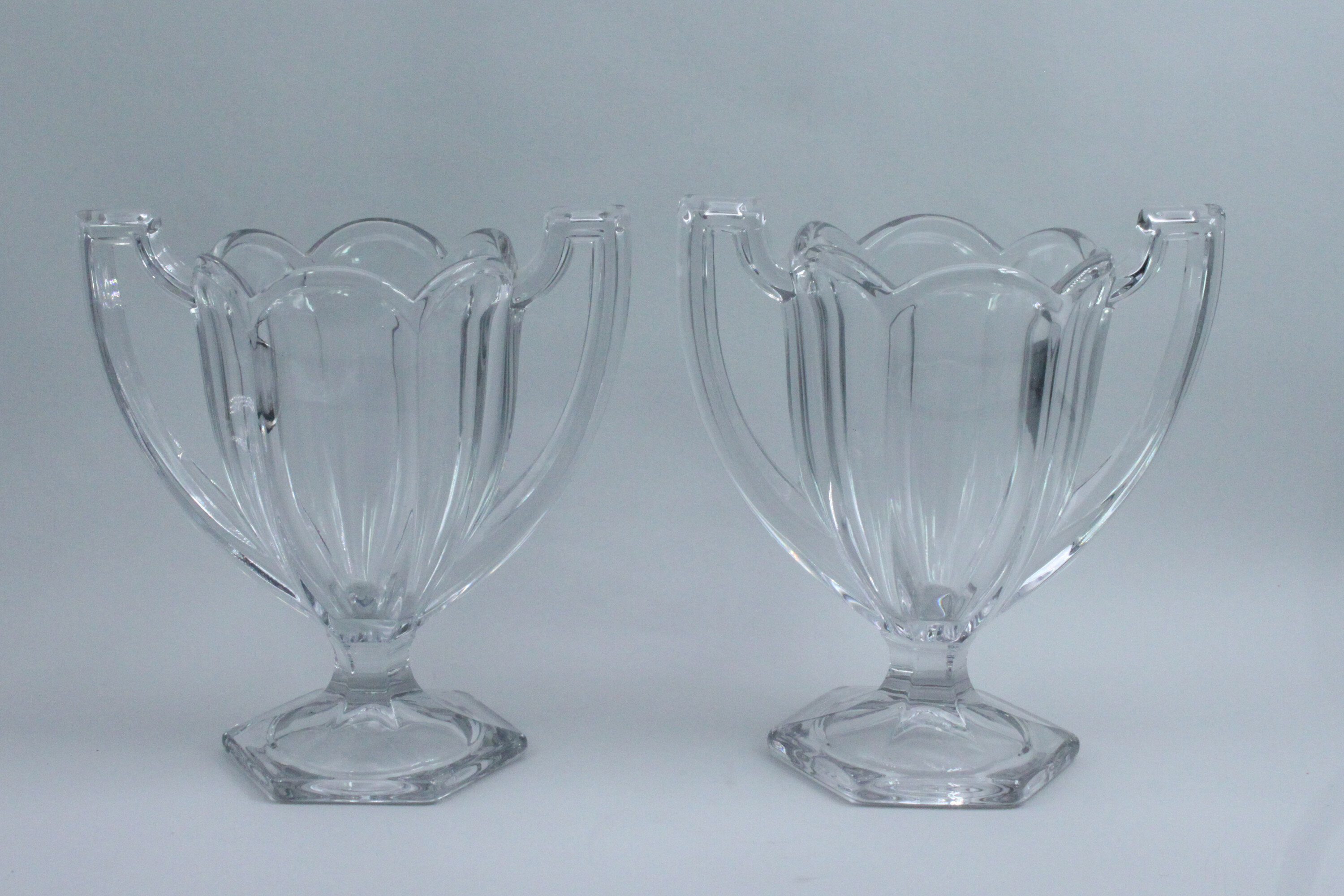
A Pair of Art Deco Pressed Glass Trophy Form Vases, Davidson, 1930s
Price: £45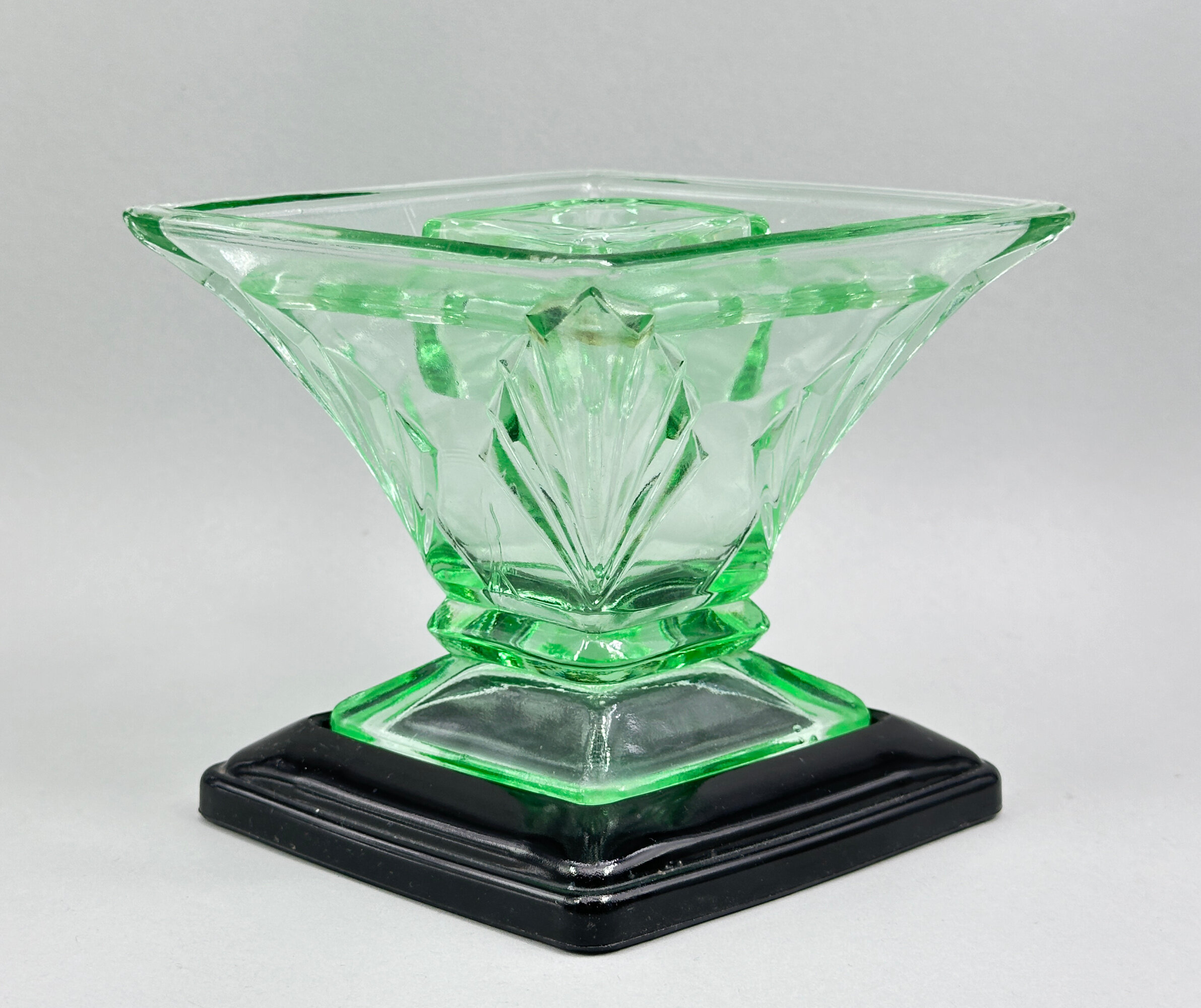
Art Deco Flower Vase, Frog and Stand, Bagley Glass, Spinette Range, 1930s
Price: £45Bagley Glass was established in Knottingly, England (south east of Leeds) in 1871. Bottle makers at first they branched out in 1912 and opened a department 'The Crystal Glass company' which made crystal and pressed glass. But it was for the latter that Bagley were to become famous and they became the biggest manufacturer of pressed glass in England in the years before and after the war. Many of their designs were influenced by the Art Deco style and this flower vase, unusually presented complete with its frog and stand, is a classic example of their range.
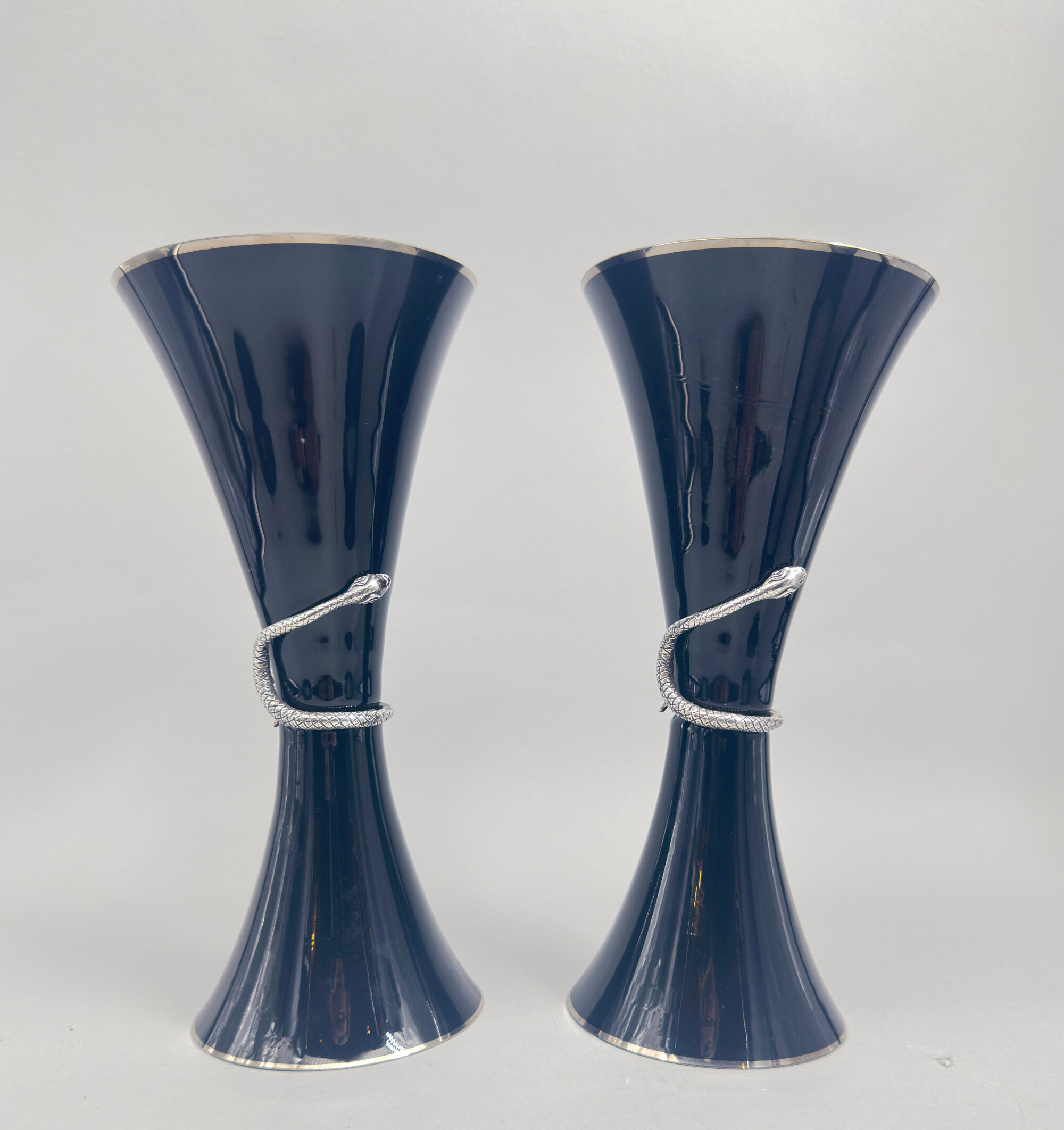
Pair of Art Deco glass Vases with applied silver snakes, 1930s
Price: £95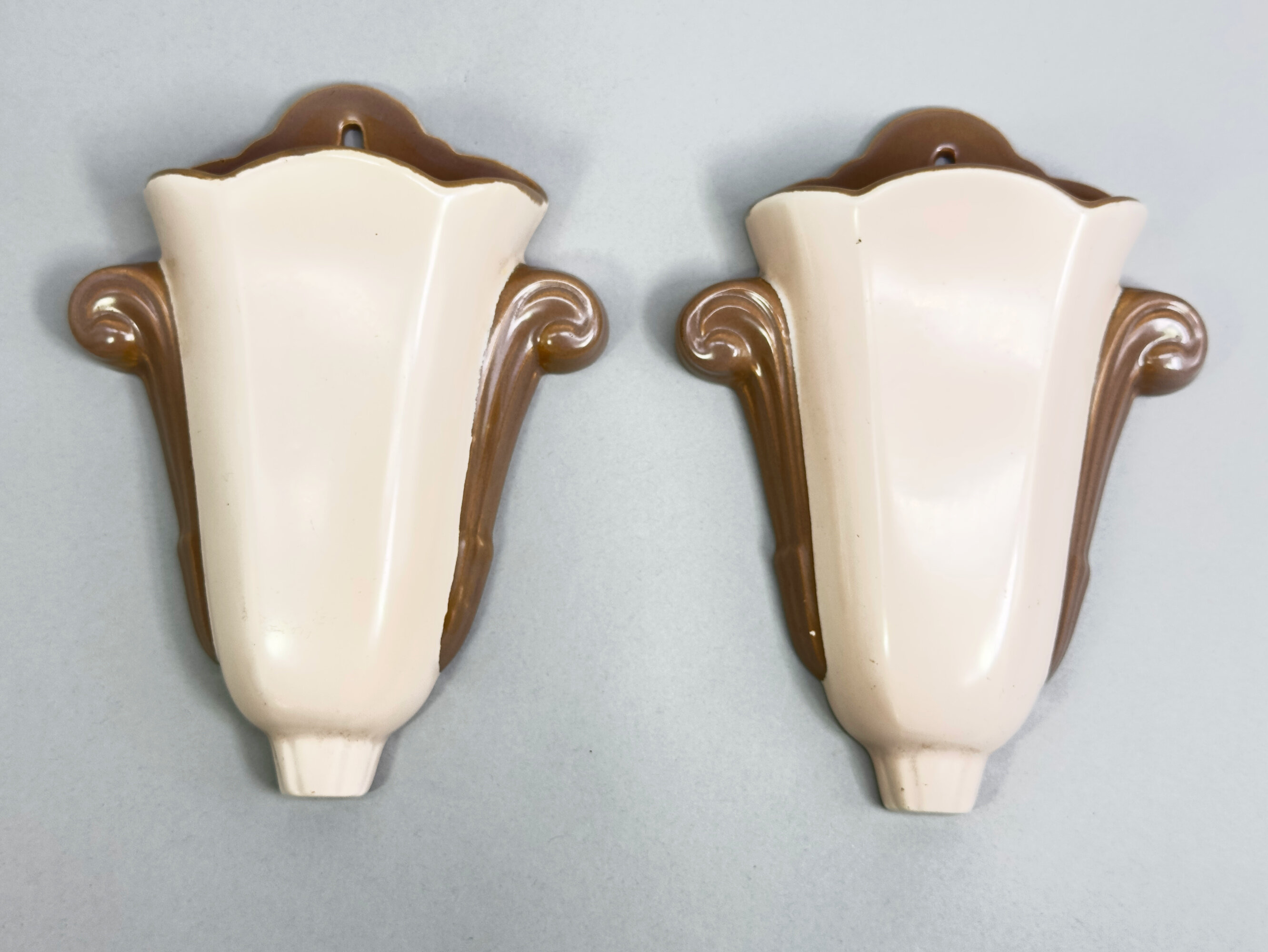
Pair of Art Deco style Wall Pocket Vases, Poole Pottery, mid C20th
Price: £55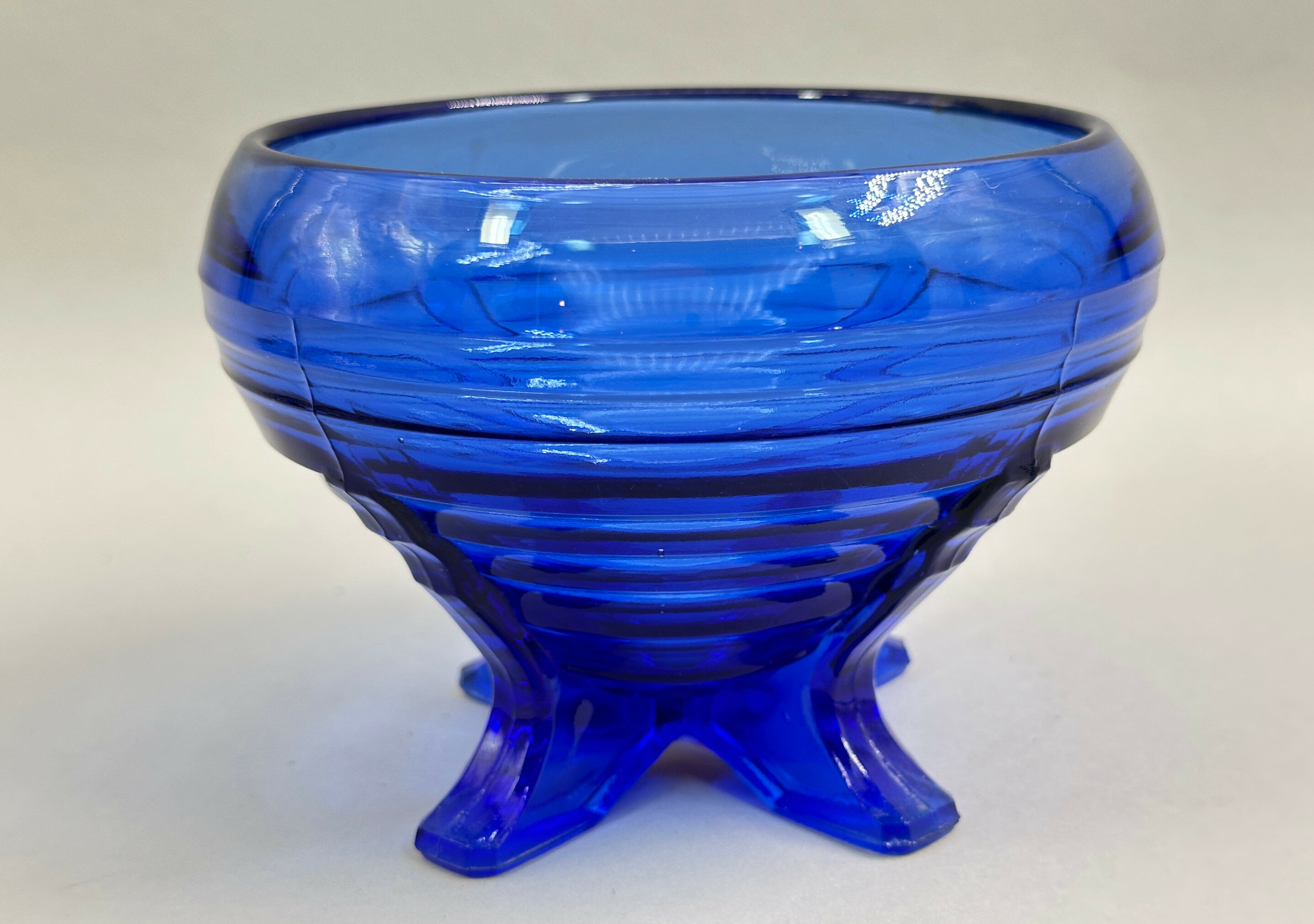
Sowerby Blue Glass Footed Bowl, 1930s/1940s
Price: £25The Sowerby family came from the North West of England near Carlisle and settled in Gateshead in the late eighteenth century. The firm Sowerby Glassworks is known from 1807 onwards and continued production until 1972, concentrating on pressed glass. Catalogues of their wares still exist and they produced pieces in a wide variety of styles and shapes which retain their popularity today.
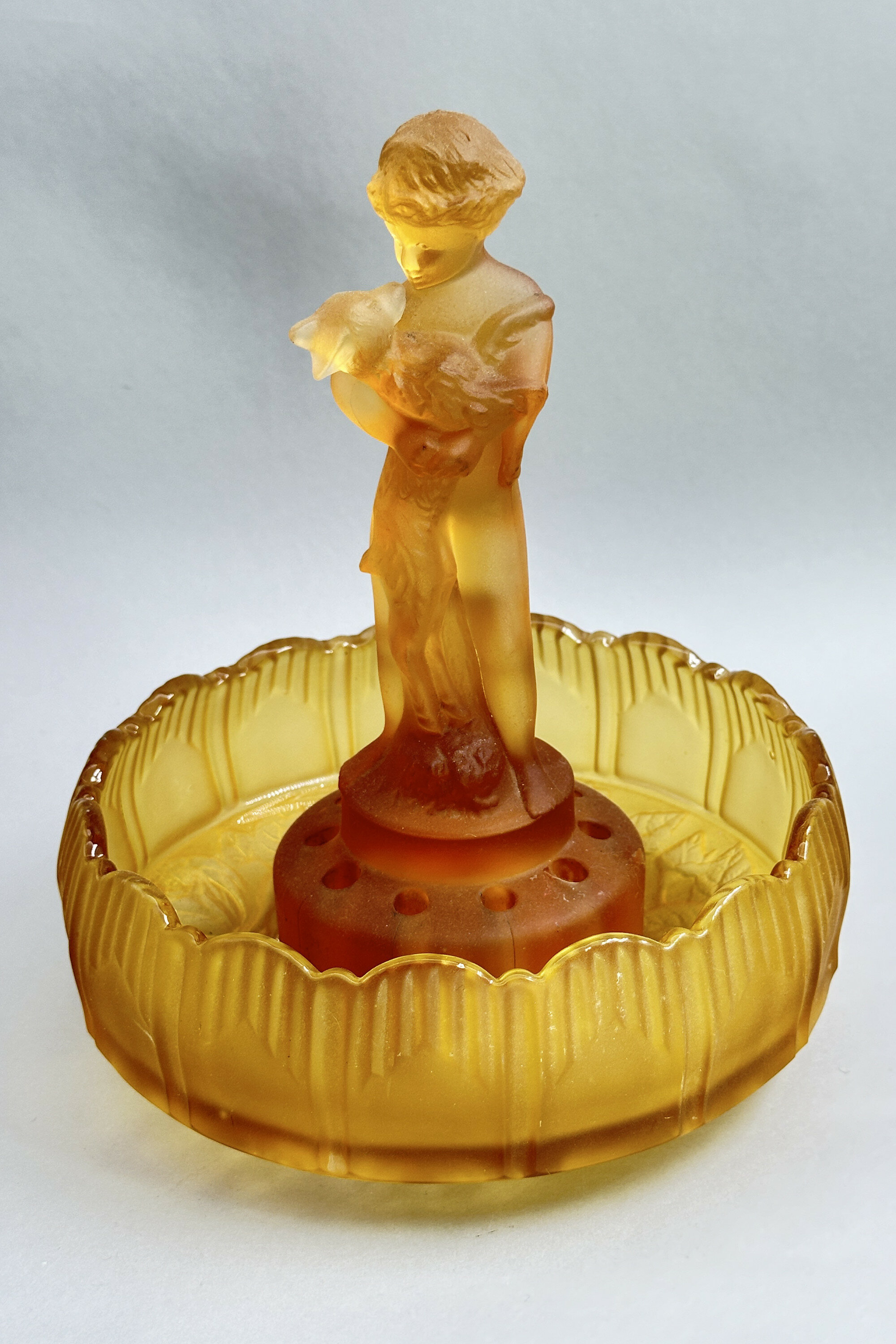
Sowerby Amber Glass Centrepiece circa 1930
Price: £75The Sowerby family came from the North West of England near Carlisle and settled in Gateshead in the late eighteenth century. The firm Sowerby Glassworks is known from 1807 onwards and continued production until 1972, concentrating on pressed glass. Catalogues of their wares still exist and they produced pieces in a wide variety of styles and shapes which retain their popularity today.
The centrpiece figurine, which was intended as a flower holder or ‘frog’, is rather unusual; normally the figures are female but the style of the modelling is identical. Similar designs to the bowl can be found in a 1936 catalogue but versions of it even appear in another catalogue from 1882. Many centrepiece/bowl combinations are found and some of them are not always original. This may possibly be the case here but if so the ‘match’ is extremely pleasing to the eye and the two elements set one another off perfectly to produce a striking example of Art Deco decorative design.